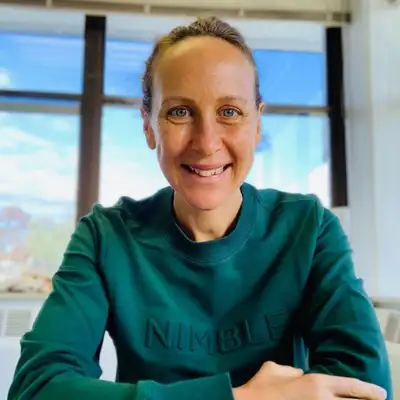
Mini Mikkipedia - Alcohol and Fat Loss: It’s Not Just Calories
00:03
Hey everyone, it's Mikki here. You're listening to Mini Mikkipedia on a Monday and today I want to chat about alcohol and fat loss and why your wine has more power than you think. So it's the festive time of year and often this is the time where festive activities ramp up, our opportunities to drink. If we drink, we choose to drink, up as well and
00:28
Many people start to see a stall in their body composition despite the fact that they haven't necessarily, or in their mind, changed a lot of their habits or their behaviors with food. But alcohol, even though it is a source of energy, much the way that carbs, protein, and fat are, it still has some unique features which can lead to detriments in progress, which I think are worth talking about. Now, first thing I will say,
00:57
In full disclosure, you know this about me if you've listened to my podcast. I enjoy a wine. I enjoy a beer. I am mindful about how often I drink. Sometimes I'm more mindful than others. And it's an enjoyable way for me to spend my time. And it is a way which I enjoy socializing with my friends a few times a week or with Hubster. And I'm not actually alone in this. And I'm sure that if you're listening to this and you're a little bit like me, you'll be thinking,
01:25
hey, I'm with you. Alcohol is absolutely baked into our social fabric. There are the Friday night wines, long lunches for some people, celebrations after a race, that's a big one for me, uh book clubs, paint and vine, know, all of these types of ways is how we integrate our social occasions with a glass or two of wine. And at the same time, many of us are in our midlife.
01:50
We're trying to either lose or not regain or just maintain our body fat levels. And we're wondering why things feel harder than they should when we're only having a few drinks, particularly if our intake has moved over the years from being quite heavy drinking in comparison to where we sit now. So this isn't about moralizing alcohol. I'm not going to talk about good versus bad. I'm just gonna share with you what alcohol does metabolically, how it-
02:19
does affect fat loss both directly and indirectly, potentially why midlife women may notice it more than others, and how to navigate it if you still, like me, want to enjoy a drink. So first thing, alcohol 101. What actually happens in the body? So alcohol, or ethanol, it's treated as a toxin and not a macronutrient. And the main pathway in the liver is that ethanol is converted to
02:47
acyldehyde via alcohol dehydrogenase or ADH. And acyldehyde is a highly reactive and harmful substance. This is then converted into acetate via the aldehyde dehydrogenase pathway, ALDH. And the liver prioritizes this pathway above everything else because alcohol is a toxin. So it will prioritize this above
03:12
fat oxidation, carbohydrate oxidation, some aspects of carbohydrate and lipid handling, and other normal metabolic housekeeping. After alcohol is metabolized, acetate spills into the bloodstream, and our tissues, our muscle, our heart, even our brain to a degree, will burn acetate first to clear it. And there have been studies such as from Seiler et al., which shows that about 77 % of ingested alcohol is converted to acetate
03:42
entering the plasma or our bloodstream. Acetate flux increases around two and a half times and the release of non-esterified fatty acids from adipose tissue falls by over 50%. So our ability to burn fat is dramatically reduced. In addition, whole body lipid oxidation or fat oxidation dropped by almost three quarters. This is just one study.
04:07
So your body presses pause on fat burning to deal with alcohol and its byproducts. The reason why there is this immediate suppression of fat oxidation is because that acetate is being burned and it's an acute suppression. Sota EL in the New England Journal of Medicine has shown that ethanol intake, as I said, reduces whole body lipid oxidation and any excess ethanol over energy needs is favored for fat storage.
04:34
So it isn't just about the calories from alcohol, it's the opportunity cost. We've got hours of reduced fat burning after drinking. And when it comes to the amount that we drink, obviously that matters too. Like you might be thinking that you're pouring just two glasses of wine, but home or self pours are very rarely standard drinks. People often pour 30 to 50 % more than a standard glass, especially with those really large glasses that you can get
05:04
and when we're in relaxed social settings, or if you've got a glass at someone else's house, and they're just topping it up for you, and you don't even know how much you've been drinking. The liver doesn't care what you call it. Call it one glass, call it four glasses. It really only cares about the grams of ethanol and the time with which you spend drinking. The clearance rate is roughly about one standard drink per hour. This is often slower in women. With more ethanol, so more drinks, there is a longer period where
05:33
Acetate is elevated, fat oxidation is suppressed, and sleep architecture is disrupted later that night. And this is a big one. Interestingly, even modest doses of ethanol does lower our prefrontal control. And what this means is we have a more impulsive food choices. You know what I'm talking about. You go into a situation being really focused and directed as to what you are and aren't going to eat. One or two glasses and you're like, ah, what the hell?
06:01
I'm just going to go for it with the snacks or desserts, or I'll make up for it tomorrow. Your disinhibition absolutely dissipates. And Yeoman's review and later meta-analyses shows that alcohol tends to increase energy intake from food rather than displace it. So people say that I only had two glasses, but almost nobody means two standard drinks. They mean two optimistic pours in big glasses and the liver, that's doing the real math.
06:31
when you're not doing it for yourself. So some of the acute effects of drinking, and I do love a drink, alcohol has about seven calories per gram, and it adds to energy intake. So alcohol before and during a meal tends to increase food intake by roughly 70 to 100 calories on average, but often it is much more on some individuals because very rarely are we just averages.
06:59
And this is partly because of reward signaling, food tastes better, reduced satiety signaling, so we get this suppression of our sort of satiety hormones. And also, as I mentioned earlier, this lower inhibition, that we just don't care as much about our health and our food goals in the moment. And as I mentioned, fat is pushed to the back with regards to substrate use. So as per those studies by Seiler and Sutter,
07:26
Lipid oxidation is substantially reduced during and after alcohol and non-esterified fatty acid release from adipose tissue drops, which just means your body is not going to be releasing its own stores of free fatty acids. So your body is burning through that alcohol-derived acetate, while dietary fat and some stored fat waits its turn.
07:46
There is also an impact on muscle protein synthesis in recovery. This is a little bit sad. So, et al. in 2014 found that concurrent exercise, resistance training and aerobic, followed by alcohol and protein, compared with just protein alone, reduced muscle protein synthesis by 24 % with alcohol and protein. Or if you were to have alcohol and carbohydrates, think a beer and hot chips.
08:13
your muscle protein synthesis dropped by 37%. And this isn't a trivial amount if you are someone who frequently enjoys a beverage and something to eat after your lifting session, particularly for us midlife lifters who are trying to hold on to lean muscle mass in a deficit for as long as we can. It is something to consider if you're having a problem maintaining your body composition at this time of life. And there is this next day ripple effect on sleep,
08:43
hormones, cravings, and behavior. So sleep architecture is disrupted with alcohol. It may help you to fall asleep faster, and this is what a lot of people say they experience, but it does reduce that rapid eye movement and deep sleep. We get increased awakenings in the second half of the night, and it does lead to lighter, more fragmented sleep overall. And look, got to be honest, if you are a little bit like me, this is not news to you. You undoubtedly have had nights like this when you've
09:13
even had one glass of wine for whatever reason. And this is especially pronounced if you have higher doses of alcohol, if you drink in the evening as opposed to a solid day drinking session, or if you're a woman and you're in midlife where sleep is already fragile due to those hormonal changes as well. And even a single bad night of sleep can increase ghrelin, which is our hunger hormone, making us hungrier, reduces satiety by reducing leptin,
09:42
and can push people towards higher reward, higher carb foods the next day because of the shifts in your brain's feedback and reward center. So if you combine that with alcohol's previous day impact on food restraint, and you hit that 24 hour window of more hunger, less satisfaction, and a higher likelihood of overeating, you can see how the damage is done indirectly as well as directly with alcohol.
10:07
In addition, glucose regulation and insulin sensitivity is negatively impacted after poor sleep. So poor sleep and the residual metabolic effects lead to a higher postprandial or post-meal glucose. We get faster drops, which then leads to more cravings and more of those real hunger swings that can occur with those blood sugar fluctuations. There's an effect on cortisol and an effect on motivation the next day as well.
10:36
So alcohol can nudge the hypothalamic-perturatory-adrenal axis with an earlier or exaggerated cortisol rise. You get more of these sort of stressy feelings, particularly on low sleep, and you're just more reactive. And if this is a chronic pattern where you drink more and sleep less, there is that higher risk of central fat storage. You do have more emotional eating. And these problems and these situations, which I've just outlined,
11:04
tend to compound upon each other. And the behavioral consequences of this, you just overall, you'll have less energy, you'll have less spontaneous movement and lower non-exercise activity thermogenesis. So you'll just spontaneously be less active, a little bit more lazy. You'll have worse mood, you'll have more cravings, and this may lead to more snacking and more comfort food as a way to soothe yourself.
11:28
and you will find it harder to stick to training plans, food structure, and future self decisions. It's very hard to make decisions for your future self when in the moment self feels like all you really wanna do is pour a big glass of wine and just soothe away the day's stress, which is exactly the problem in the first place, right? So you don't just negotiate with alcohol in the evening, you negotiate with its after effects for the next 24 hours in your hunger,
11:58
your mood, your cravings, and your training. And if this is day on day, then this impact is just compounded over time. So, you know, this sounds like a lot of bad news when it comes to alcohol. And as I said, I love a drink as well. So what are some thresholds that we could potentially work towards based on what potentially uh obesity and alcohol reviews and cohort data might tell us about thresholds for alcohol use?
12:25
If you drink less than four to five drinks a week, this is going to have minimal impact on your body composition, if you're asleep, your diet and your activity is solid. Six to 10 drinks a week, which is not uncommon for a lot of us, it is a plateau zone where you do get that subtle sleep disruption and there potentially is enough extra caloric intake and impaired recovery to slow fat loss and you may not be hitting your training the same way that you would otherwise.
12:54
over 10 drinks a week or frequently drinking three plus drinks in a session. This is where there is that increased risk of weight gain, a higher waist circumference, metabolic complications and visceral fat accumulation. Patterns matter more than anything else. So if you drink one to two drinks every now and then, you're absolutely fine. There's no reason for you to be concerned at all about alcohol for your fat loss progress. And in fact, if you are seeing
13:23
are plateaus in your fat loss progress and you're in this category, alcohol's probably not the thing that I would necessarily focus on. There are other things for you to work on. Moderate and frequent alcohol consumption of one to two drinks most nights. A lot of people are in this zone. This is this chronic micro disruptor of sleep and recovery. This is really actually gonna kill your progress and you're probably not gonna notice it as much because it is your normal. And the opposite of that might be the weekend warrior.
13:53
Don't have a lot midweek, but you have 4-6 on Friday and Saturday. You're going to get 48 to the 72 hours of worse sleep, increased hunger, lower training quality, half of the week is being spent recovering from the weekend, and probably don't need to tell you, it is worse the older that you get. Several studies link higher or frequent alcohol intake to increased abdominal visceral fat storage, even when BEMI or absolute weight
14:21
is similar as well. And the visceral fat that is stored around your organs, that's the pro-inflammatory fat. That's the fat that's most dangerous and is most linked to conditions like insulin resistance, type 2 diabetes, and cardiovascular health. So it is not the fat storage that you want. Now, this will be unsurprising to a lot of you, but midlife women do tend to feel it more. There is a difference in the way that we handle ethanol. Women tend to have lower gastric ADH activity,
14:50
that is alcohol dehydrogenase activity, and we have higher blood alcohol for the same intake. We've got lower total body water, so there are more pronounced effects from the same number of drinks. And when we're going through these midlife transitions in perimenopause and menopause, we have more fragile sleep. There are changes in estrogen and progesterone impacting mood, temperature, and arousal. So if you've already got hot flashes, this makes it even worse. To that point, alcohol will...
15:19
amplify that sleep fragmentation. It will worsen night sweats and awakenings for some, and it does make those next day symptoms more severe. We also have changing insulin sensitivity in body composition. There is a natural age-related decline in insulin sensitivity in sarcopenia risk. This is amplified as estrogen makes its way out the door. We are more likely to store fat centrally, and alcohol reduces fat oxidation acutely.
15:47
impairs sleep and appetite regulation, blunts muscle protein synthesis after training, especially problematic when women are trying to build and hold muscle in a deficit, particularly that last point. So that is another reason why alcohol can derail your fat loss goals. And let's not forget the additional stress and load that some women have at this time of life as well. Midlife women,
16:15
We have this high cognitive and emotional load. We have got family, we have got work, we are sandwiched between children and aging parents. We are trying to maintain relationships both inside our households and outside our households. It is a lot. And we can use alcohol as a de-stressor. So this ties drinkings to habit and identity, i.e. I just, you know, I'm the one with the wine at the end of the day.
16:42
It ties drinking to emotional regulation. We turn to it in times of stress. We don't feel we can de-stress without it. We have the social bonding, meaning our girlfriends for a drink as opposed to a walk or something like that. And it does make change harder, but also it makes change more impactful as well. However, you know, it doesn't, it isn't all bad. And I do just because I am someone who enjoys a drink and I
17:09
think some of you listening to this will be a little bit like me, that social bonding and connection we have, these are protective and productive for our health. So half a glass, a glass of wine, if it gets you in that situation where you are able to relax, unwind your central nervous system, does just sort of settle down, that is a good thing. Alcohol, half a glass of wine or beer, maybe it's a part of ritual and pleasure. Maybe it's how you do unwind the...
17:39
end of a busy week when you have that one-on-one time with your partner or your besties. You do have that short-term stress relief in an off switch where you otherwise might not. And there can be some cultural and personal meaning around it. So these are really human reasons for why we want to drink. And it's just a matter of balancing it out with our fat loss goals. So navigating alcohol while pursuing fat loss, some points to consider. Set up some strategic
18:07
boundaries. Set a weekly cap that fits into your goals, like two to four drinks a week in fat loss. Decide in advance which nights are drinking nights and what counts as one drink. I've gotten into the habit before of pouring my wine on top of a food scale so I know what 100 mLs looks like. And I've mentioned this before in a separate episode. I've also at the start of a week decided which days I'm going to drink and which I'm not. Also,
18:35
Think about which drink you prefer. Do you prefer that before dinner drink? Do you prefer that after dinner drink? Do you prefer having a drink with dinner? Think about your non-negotiable in this space and stick to that as well. So the drink that you do have, you find way more pleasurable and then have an alternative to move to once that is done. Ideally, you would drink with a protein forward meal and not on an empty stomach. And I say that because it will just lessen that impact.
19:05
for next day and for sleep, and also shifts how your body responds compared to say if you're having it with carb or fat laden food that will just, the waiting room is on those nutrients in terms of your ability to use them for fuel. I would avoid drinking on your deepest deficit days. Keep those drinks for maintenance and cycling days so the impact of the alcohol is less and you're less likely to fall into that disinhibition of behavior. Avoid late large doses.
19:34
that wreck the second half of the night. So in fact, maybe you're better off having your drink pre or with dinner and not having one after dinner. Ideally, you would choose lower alcohol percentage options, full transparency here. It's nothing I like more than a seven or 8 % beer. And in fact, I've been known to say something like, I don't get out of bed for anything less than 7%. So there's that. We are all different, right? Just letting you know.
20:00
Do choose to have smaller serves that are actually measured, as I mentioned before. I've got to say, Hubster is really great at pouring small wines. I just got to make sure that I don't continue to pour myself one wine on top of another wine on top of another wine. And as I mentioned, avoid stacking that high fat, high carb food on top of alcohol if fat loss is a priority. If you are eating, when you are having wine, you're having a meal, go for the leaner, higher protein options, have some vegetables, have a lot of fiber, have food that...
20:29
that is less likely just to be hanging around being stored for later use. And then have some scripted responses to social pressure. Like you don't have to give justification why you're stopping drinking or you choose not to drink. I'm good thanks. That is enough. Practice saying that. Notice the what the hell effect after a couple of drinks. So notice the change in the shift in your own state when you do drink a couple of drinks at what happens next because
20:58
If you know you need guardrails, you're going to have to be aware of that. Separate some relaxation rituals from alcohol. So if you use it as a de-stressor, can you go for a walk in nature instead? Can you pour yourself a lovely cup of tea or some other sort of beverage? Have a kombucha. Can you have a bath? What about reading? What about some breath work or meditation? This isn't about being good or bad. It's about making your life easier in the future.
21:28
making you less reliant on that using alcohol as a stressor. So when to think that alcohol is the contributing factor for your fat loss? I mean, you might know it already. But if you are unaware, if your fat loss is stuck despite consistent and high protein, appropriate calories, and good training, alcohol could be a roadblock. If you have regular poor sleep, night waking, next day fatigue,
21:56
That's another sign, particularly if you drink, that fat loss could be impacted by your alcohol intake. If you need it to unwind most nights, there's a red flag right there. And if six to 10 drinks a week as a stable pattern, be it the end of the week or listed throughout the week, that's another indicator that you are likely drinking too much. Then if you're getting lab work done, if you've got rising triglycerides, elevated liver enzymes, increasing waist circumference or visceral fat, that is a
22:26
definite sign that there is something that you need to tweak and if your alcohol intake is high, then it's likely going to be there. So alcohol is lovely in my opinion. It's not evil the way other people think, but look, it is just metabolically inconvenient, right? Pushes fat burning to the back of the queue, increases appetite and energy intake, disrupts sleep and next day regulation, and it hits midwife women harder than others.
22:54
you don't necessarily need to be t total. It can work in with you if you work it properly, but you do need to be honest about dose pattern and the trade-offs that you need to make. So if fat loss and long-term health are high on your list, alcohol is one of the clearest levers that you can pull. But you don't have to stop forever, but you may need to stop pretending that it doesn't matter, particularly if your own experience is indicating otherwise.
23:24
All right, team, that's what I've got for you. I'd love to hear what you think in relation to this information, how this might impact you. Hit me up in the DMs. I'm at Instagram, threads and X @mikkiwilliden, Facebook @mikkiwillidenNutrition, or head to my website, mikkiwilliden.com. Drop right down to the bottom and pop your email in the little box that says it and get my weekly email and you can hook up with me that way too. All right, guys, you have the best week.
23:53
See you later.