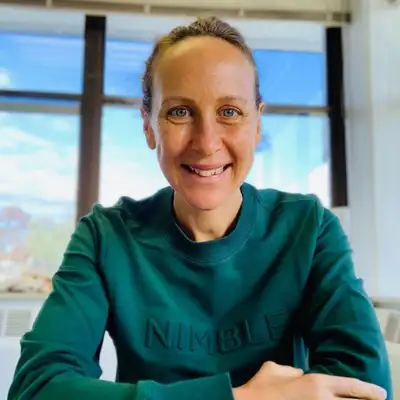
Dr Lise Alschuler: Living Well With and Beyond Cancer
00:00
Hey everyone, it's Mikki here. You're listening to Mikkipedia. This week on the podcast, I speak to Dr. Lise Alshuler. She's a naturopathic oncologist, she's a professor of clinical medicine, and one of the most respected voices in integrative cancer worldwide. Dr. Lise is known for bridging rigorous evidence with deeply human practice, helping people navigate not just cancer treatment, but the long arc of survivorship that follows. Her work spans circadian biology,
00:30
metabolic health, botanical therapeutics, lifestyle medicine, and the psychology of living well after cancer. And we talk all about this in today's conversation. We delve into the evolving landscape of survivorship, what high quality follow-up care actually looks like, how to integrate whole person philosophy within a conventional and often fragmented medical system, and what an ideal post-treatment care pathway would include, from insomnia to fatigue,
00:59
melatonin to magnesium, morning light to meal timing. We unpack the practical tools that genuinely help restore circadian regulation and why circadian disruption is far more consequential than most oncology guidelines acknowledge. This is such a great conversation. I really think you're going to enjoy it. Dr. Lease is just so super knowledgeable. She has personal experience as a cancer survivor and has helped hundreds and hundreds of people survive.
01:27
beyond the cancer diagnosis. So I chatted to Dr. Leith firstly at the ACNM Integrative Therapies for Cancer Conference in Melbourne, Australia in July. And I was so thrilled to be able to chat to her on the podcast. For those of you unfamiliar, Dr. Al Schiller is past president and past board member of the American Association of Naturopathic Physicians and a founding board member and past president of the Oncology Association of Naturopathic Physicians.
01:57
She's been an invited speaker to more than 350 scientific and medical conferences, published over 27 peer-reviewed articles, been an investigator on eight research studies, and written nine chapters for medical textbooks, and has co-authored two books, Definitive Guide to Cancer, now in its third edition, and Definitive Guide to Thriving After Cancer. The American Association of Naturopathic Physicians recognized Dr. Alshula in 2014 as Physician of the Year.
02:27
She has received an honorary degree from the Canadian College of Naturopathic Medicine and the Joseph Pizzorno Founders Award from Baster University in the same year. She was honored with the AANP President's Award in 2016 and received the IMPACT Award from the National Association of Nutrition Professionals in 2017. She holds the rank of Professor at Sonoran University and also retains her rank as Professor of Clinical Medicine at the University of Arizona, where she previously served as the Associate Director
02:57
of the fellowship in integrative medicine at the Andrew Well Center for Integrative Medicine. For over 10 years, Dr. Olsha has co-hosted a podcast, Five to Thrive Live, about living more healthfully in the face of cancer and chronic disease. She was the founding executive director of TAP Integrative, a non-profit web-based educational resource for integrative practitioners. So. oh
03:21
That is Dr. Lees and I have put links to where you can find her both on her own website and sonoran.edu, faculty website for where she is currently professor. Before we crack on into the interview though, I would like to remind you that the best way to support this podcast is to hit the subscribe button on your favorite podcast listening platform. That increases the visibility of Micropedia and it makes literally thousands of other podcasts out there. So more people get to hear from experts that I have on the show.
03:49
such as Dr. Lise Ullschle. Alright guys, enjoy this conversation.
03:56
Dr. Liz, thank you so much for taking time this afternoon to chat to me. Out of all of the presentations that we got at the ACNM conference earlier this year, I just really loved your presentation. I felt it was sort of so full of hope actually. I mean, I suppose the entire conference was about that, but I really got that from your chat. So I'm really pleased that you able to take the time to speak to me. Absolutely, my pleasure. So can we first...
04:26
Let's talk about survivorship. Because often when people have the um idea of cancer and the concept of cancer, I mean, it's scary for a lot of people. And obviously, your sort of almost initial reaction is to go to the absolute worst outcome. How has it changed over the years? Well, know, interestingly, so first of all, let's just define survivorship.
04:53
survivorship actually starts the minute you're diagnosed. So you are a survivor of one minute, the minute after you're diagnosed, which I think is important because there's this sort of sense for people that, I'm not really a survivor until my cancer's gone. And that's actually true. And, you know, I can see why people think that in other words, in some cases, because there are cancers that when diagnosed at a particular stage or because of the type,
05:22
possibility or the probability of removing or eradicating the cancer is there and so your life sort of feels cancer free therefore more like in survival mode uh post that time. There are also a whole bunch of cancers now that are being managed as a chronic disease so people still have the cancer but they're in and out of treatment or they're on long-term treatment that they're keeping the disease stable.
05:51
or keeping the disease from kind of killing them as a host. And that person is just as much a survivor. So I think I would just want to context that first. And that really goes to your question, which is how has survivorship changed? It's improved. I mean, there's no doubt about it. Our ability to diagnose cancers earlier is the major reason for that. The earlier a cancer is diagnosed, the better chance we have of eradicating the tumor.
06:21
prolonging people's lives. So that's a big factor. And the treatments have gotten better too, more targeted, more personalized, uh more specific so that they're better able to eradicate tumors, which can be very wily. Yeah, I can imagine. It's interesting. On a personal note, um I mean, I think everyone fears cancer, right? It's the thing to that it's almost because it is so not unknown, but it's
06:50
It's not one disease, you know, and I think that may be part of it, but I, up until a few years ago, I actually did think that breast cancer was something that most people survived. And maybe that is the case, but then I had uh a friend actually die of breast cancer very young at 36. And that really flipped that on its head for me. so it's sort of almost, and as a woman, and to your point, like early diagnosis and screening might've changed as well, but
07:20
It almost feels like there's a bit of a noose hanging over your head as you walk around life. It isn't a mindset that I, for him and anyone, have, but it can feel that way a little bit with, I guess, the screening and the tests and everything that we are able to access. But it's hard to get out of that fear mindset, I think, for some people. Yeah, for sure. I mean, that's valid. I think that the fear of having a very significant disease diagnosed is real.
07:46
I mean, you know, and there are certain breast cancers which are very aggressive right from the get go. you know, so that still, even though the five year, that sort of magic number of five years survival rate of breast cancers across the board is above 90%, that doesn't mean that everybody diagnosed is going to make it because of the, you know, the various kinds of cancer. I think that, you know, the fear piece though,
08:12
I try to reframe fear with my patients because if you're afraid of your life ending, another way of saying that is you're afraid of not having a life that you love. So really it's a statement of how much you value and love your life. And that's where we should really focus. Yeah. Yeah. That's a really nice reframe. I guess, how do your patients frame survivorship?
08:40
Obviously, like you mentioned, it's the minute you're diagnosed, but how can people actually get the, I guess that mindset of wellness from the get go when they are potentially facing treatment in a total shift in how they're living their lives for a lot of people? Yeah. that's also, so realistically there's a,
09:02
There was an oncologist, a medical oncologist named Jeremy Geffen who unfortunately passed away from sarcoma himself. But before he did that, he wrote a really beautiful book and he outlined a path, a very typical path that most people diagnosed with cancer follow. And the minute diagnosis happens, there's this kind of big eraser that happens and like half of your brain function just ceases to occur and you're just in shock and it's really hard to assimilate. So that's when it's
09:31
really important to rally your loved ones around you to help you sort of navigate those initial steps because it's so shocking. And then as that shock sort of wears off, most people, and these are generalizations, but most people then enter into a phase of, okay, all I want to do is get this tumor or tumors out of me. And so they're very focused on what can I do? What's the best treatment? What are the benefits? What's the chances of benefit?
09:59
versus the risk and just very focused on that. Then once the treatment gets going, then they are like, okay, wait a second, there's gotta be more. There's gotta be more that I can do. And that's when most people start to look at, well, should I look at my diet and should I eat differently? Should I think about dietary supplementation? Should I think about meditation? Like what else can I do to not only optimize my survival, but also manage this treatment that I've chosen.
10:27
And then kind of as the treatment goes and they get through it and they, let's say, you know, they're tapped on the back and said, okay, you're cancer free, go back to your life. They're like, wait a second, my life is not there anymore. It's been totally upturned. So that's when people start to, most people kind of go through a bit of a reckoning, like I'm a different person now. My life is different. What's important? How do I want to realign my life to be even given how precious I now realize it is?
10:57
how can I do what's most important in my day-to-day life? So I think all throughout that, there's a continuum of feeling like a survivor, putting yourself forward, but the priorities really shift as we move through this process. And Lise, did your own um experience get you down this path? Or were you already in sort of like cancer treatment and chatting to patients first? Like, I don't know that piece of your story actually.
11:26
Yeah, so it's interesting. Yeah, so I'm a little atypical in that I was already specializing in integrative cancer care before I was diagnosed. I had, so I sort of did it a little bit in reverse. Like as soon as I was diagnosed, I was right on, I was already doing a lot of integrative therapies, but I was right back on it, shifting those around, getting that lined up and then layered in the conventional side of things.
11:54
And, but I would say throughout my entire experience, perhaps because of my focus on integrative therapies, or I don't know, maybe it was just my mindset, but I always felt like a healthy person with breast cancer, a healthy person getting chemotherapy, a healthy person with peripheral neuropathy. You know, I just always felt like I was essentially still really healthy. I just happened to have this disease, these treatments, these side effects.
12:22
but my core sense of health never left me. Yeah, and it sounds like your core sense of self also, because I hear this a lot with people as they define themselves by their illness rather than it's just part of their lived experience. I wonder how much, and for some people maybe that's a coping mechanism, I don't know, but it's like an athlete having the identity of an athlete and then suddenly they retire and it's no longer them.
12:51
I think that's never really did do that. Yeah, I didn't over identify with my illness. mean, you know, cancer, because the treatments are so harsh, you can't help but sort of take center stage whether you want it to or not. But it was always an actor in my play, not the play itself. Yeah. Do you feel like that's important for other people to have a similar mindset or is it actually just an individual? um
13:20
coping mechanism? I mean, that's an interesting question. know, I think that's for each person to determine. I've seen people when they identify very strongly with the diagnosis, it does empower them to make very good decisions about their care and their life. And I've also seen people when they identify with their disease, they become the disease. I mean, they really just...
13:47
because they lose their sort of what I call their true north. So they sort of forget where they're headed. And so I think that's the one caveat I would say. Yeah, interesting. Yeah, makes total sense. You mentioned integrative therapies. I think some people might believe that it's one or the other with, know, like if you're either go down the conventional route or you go down that sort of integrative route. Is that just like, uh
14:17
you've seen, you, is that, is this my perception? Is that something that you, I guess people come to you for the integrative stuff alongside? Yeah, but no, but it's very true. There's still a uh rather pervasive either or approach, which I think it, in cancer, I think it comes from the fact that the disease is essentially by its nature a lethal disease. So any cancer left untreated will eventually kill its host.
14:46
So because of that setup at the beginning, the stakes are high. And the treatments that we've developed to deal with those high stakes are very harsh. So the whole setup is so challenging and so sort of overwhelming and difficult that
15:06
oncologists, think, and oncology in general, and even the people getting the treatments are sort of like, I just got to do this because it's a big disease and the treatments are big. And so it's this, that's it. um So the sort of the both and part of the conversation becomes almost like an asterisk, like, hey, by the way, you could also, but in reality, it's because the disease is so big and the treatments are so big that I feel like we have to have a both and approach right up front and center.
15:36
because it's the changes that we can make on an attitudinal level, on a stress management level, on a dietary level, on an activity level, on a supplement level that make all the difference, not only in making those treatments more likely to destroy the tumor cells, but really in preserving the health of the person going through those treatments so that they can sustain the treatment, number one, and therefore its benefits, and so that they can emerge less
16:03
weakened less sort of beaten down by the treatments, which is also a very important endpoint. Yeah, I feel like I read a lot about people who get through the treatment and are cancer free, but subsequently never make it back to good health. And actually, it's not necessarily the cancer that kills them. It's something else related to the treatment of it. Yes.
16:29
And it's really unfortunate. I feel like every single person diagnosed with this disease deserves the option to have integrative therapies very skillfully and appropriately woven into their conventional care so that they can do as well as possible. You know, it's still common when you go into an infusion center, what do people get free? Soda, candy. Now, is that necessarily
16:56
like gonna feed their cancer, maybe, maybe not, like, you know, it's probably not the best thing for their cancer, but it is gonna make them more inflamed, it's gonna spike their blood sugar, and it's gonna make their blood sugar then drop, so they're gonna feel worse after those treatments, no doubt. So instead, what if they were given electrolytes and some high quality protein and they went through their chemo and they came out feeling pretty good, or not as bad? You know, that's just one example, but yeah. oh
17:26
Is this, is it well accepted in the sort of cancer world with the specialists who work in it, the importance of looking at the person as a whole, which I know you talk about, rather than just thinking about the disease and getting rid of the disease? Because I feel like if it were more widely known, I suppose it would, you'd see it a lot more, whereas I don't know that you do. You know, I think, um
17:54
So I have mixed feelings about this, so I'm going to try to present this in a very unbiased way. Oncologists are generally really good at killing cancer. That's what they're trained to do. They're very steeped in the data around that. They're handling very dangerous therapies skillfully. And so you want them to be really good at figuring out how to best kill that tumor. For some oncologists, that comes regardless of the person who's
18:22
has the tumor in them. you know, it's not really in their mindset or their training, frankly, to think about the person. So they're very tumor directed. And so the whole oncology, you know, set up, the world of oncology care is very tumor directed. Changing a little bit in that a lot of cancer centers now offer acupuncturists or they offer meditation classes or maybe even a nutritionist. So I think there's some awareness
18:52
more awareness now to the importance of that, but it's still light. It's still a little bit light. And, you know, I think that in my perfect world, I would say that patients would come in, they would still get really the best, strongest therapy, but as importantly, they would be very seriously counseled about their lifestyle and given ways to optimize the bodily health because not only will that help them, as I mentioned earlier, get better results from the treatment,
19:20
But we also now know that cancer itself doesn't develop in isolation. Cancer, as a tumor grows, it co-ops the tissue around it. And it essentially usurps the normal control mechanisms that exist in the body. And it creates what we call now a tumor microenvironment, which is a tissue that feeds the, that literally feeds the tumor. It feeds it growth factors. It redirects blood supply into the tumor.
19:49
It stuns the immune system so the immune cells don't react to the tumor. So that's all part of the terrain around the cancer cells. So we have to address those issues. If we really want to take a body from being kind of more cancer friendly to being cancer unfriendly, we have to address those issues. Those issues are not addressed by the cancer treatments. Those issues are addressed through more systemic lifestyle-based treatments. So I think that it's...
20:17
it's actually very important in fact, to long-term survival in addition to quality of life. Yeah, and of course the different pillars that you talk about in the presentations I've seen and in your book, like they're just actually, I it's more than just good lifestyle interventions, because obviously you get specific on some of these things which we're going to discuss, but ultimately it's a way to, you know, to...
20:44
be healthy and be resilient in the face of these sort of challenges. Yeah, I had an interesting experience actually in Australia when I was at a conference, I was speaking on cancer and Dr. Mark Houston was speaking on cardiovascular disease. And so we were talking before our presentations and he was reading through my slides and I was reading through his slides and we both had the same awareness at the same time. We looked at each other and said, you know what?
21:09
He said, I could take your slides and substitute cardiovascular disease and it would work. And I'm like, and I could take your slides and substitute cancer and it would work. It was very clear that what we were talking about were kind of issues of tissue and bodily health that underlie essentially all chronic illness. Yeah, yeah, nice one. So Elise, one of the things which you spoke about in the presentation, which I was actually just
21:38
listening to the other day was the insomnia or fatigue that people who go through treatment experience. And you chatted about certain interventions that we could use like weighted blankets, melatonin, magnesium, omega-3s, things like that. can we chat about just overall the importance of trying to optimize sleep and recovery during this time and some of your best strategies to help people with that?
22:08
So first of all, let's just remember that 90 % of our immune sort of rebalancing our immune activity happens when we're sleeping, 90%. So if we shortchange ourselves on sleeping, then we're essentially creating an immune deficient body. uh Not to mention the fact that also during sleep, we recalibrate our antioxidant oxidative stress
22:37
balancing, we recalibrate our hormonal system, there's a certain kind of cleansing wave that happens to the brain which is managed by a system called our glymphatics. That happens only when we're sleeping. Like there's a lot of resetting that happens when we're sleeping. So we need to sleep. It's very important. And unfortunately, cancer and primarily some of the treatments that are used with cancer require the use of steroids or some other medications which
23:06
disrupt the sleep cycle. a lot of people experience difficulty sleeping. And as a result of the sleep, they can experience fatigue and lose all the other benefits of sleep. So sleep becomes really essential. And it's challenging because these medications, particularly if it's due to like a steroid type of medication, that just is very, it's very hard to kind of quiet a brain down that's experiencing a high level of steroids. But there are some ways we can do it. So you mentioned,
23:36
like just kind of working our way up what I call the hierarchy of therapeutics, the most necessary but typically not sufficient to do it would be to have an environment that's conducive to sleep. So people need to really make sure they're sleeping in dark environment, it's cool um and quiet and there's not a lot of like electronic distractions. All those things are very important to the point that
24:02
People should wear earplugs if it's too noisy. If they have a pet that's sleeping on the bed, sometimes it's hard to get the pet off the bed, but they need to create some way, like a pillow between you and the pet so it's not disrupting your sleep movement, like just whatever you can to get the right environment. And then the blankets that you mentioned can be amazingly helpful, and that's a way to kind of create a, it sort of creates more parasympathetic activity in the body, which is conducive to sleep. So those are kind of.
24:30
typically first level and then if that's not enough, can kind of work your way up to things like even just getting some dried lavender flowers and putting them in a little like tea bag or sachet and putting them in or on your pillow next to your pillow. And just that inhaling the smell of lavender is very good for calming the brain down and there's well-known mechanisms behind that and that's easy, no interactions, just fine. um
25:00
But that's not enough. People can get some acupuncture on a regular basis, massage therapy, craniosacral therapy, any bodily therapy can also help to kind of calm the parasympathetic system and help to reset it. um And if that's not enough, then we go into dietary supplements. And you mentioned a few, but there are a lot of ways in which dietary supplements can help to both calm the brain down. And by that I mean...
25:28
It creates more GABA activity in the brain, more serotonin activity, decreases some of the alert functions in the brain. So magnesium does that. Essential fatty acids help with that. There's some calming, what we call calming nerve-ins that do that. So there's certain forms of lavender we can take internally. Valerian is a good example, and that's very effective. uh Usually in people, even if they're taking prednisone, valerian can be useful.
25:54
So we kind of work our way up and then if that's not enough, we can think about using things like melatonin, which has other indications in people with cancer. It has actually some anti-cancer effects, helps people with some of the other side effects. And then last but not least, we would go to pharmaceuticals. But usually it's the reverse. People get the pharmaceuticals first and then none of the other stuff happens. So I just said all that, not to...
26:19
have people write down madly everything, but just to remember that there's a lot of things that we can do. And it's interesting. looked at, you had a study on one of your presentations that showed like, I think it was 500 milligrams of magnesium and it was interesting and it helped improve sleep latency and also maybe time spent sleeping or something like that. And what I found actually interesting was that it was an oxide that they use in the study. I know.
26:48
Yeah. And I thought, gosh, I wonder what it would be if they got like a glycinate or something, which also has the glycine, which has been proven to be helpful with, I don't know, the brain and whatnot. Yeah. So what I like about that study is they use magnesium oxide, which is not the best form of magnesium, but the one that's most commonly available and the least expensive. So even just that can work. um And, so that's good. And we know that if you make magnesium.
27:15
more bioavailable by using an amino acid chelate like you mentioned, then you can use less. So 350 milligrams is usually fine and you'll get even better results. yeah, and that study also indicated that it takes about, you have to be patient, like for the full effects of magnesium to really impact sleep can take a while, can take several weeks, if not a few months for it to be fully effective. It'll start working to some extent earlier.
27:45
but the full effects take a bit. Oh, that's interesting. And I guess alongside all of these other sort of habits and behaviors that you talk about, that'll, mean, people could, would be working on them and getting the benefits of those things in the background as well. Right. Yep. Absolutely. Malatonin is interesting. Like, and I know that you probably can't give like, I mean, I'm sure you do, you do give recommendations around amounts or whatever, are the amounts of melatonin in the sort of
28:13
supraphysiological range, Lise? Because obviously we don't make a lot of melatonin at all compared to what you might see uh on a shelf. Yeah, so melatonin, em I will say this, that melatonin has been the subject of over 400 randomized control trials in the space around oncology over the last several decades. And in most of those studies, the dose that's been used is 20.
28:40
to zero milligrams. you know, so is that the right dose? Is that the only dose that works? We actually don't know. We just know that the research, quite a bit of it has been done on 20. So that's the most commonly recommended dose. So that is, as you say, a supraphysiologic dose. It's more at one time than the body would produce. a couple of things about melatonin. First of all, it's got a very short half-life, about a half an hour. And then it's broken down into its metabolites. It's also...
29:10
never going to interfere with your body's own production of melatonin. That is only triggered by our exposure to light. That's it. Oh, interesting. Even though it acts like a hormone because it binds to receptors, it doesn't have a negative feedback on the originating cells. So taking it will not cause either decreased production or habituation or withdrawal. So you can take 20, stop, fine.
29:40
your body will still make its own. And there's really no side effects to melatonin if it's dosed appropriately. um There are a few contraindications to it. people, not everybody should just go out and start taking high doses of melatonin, especially if you have a mental health disorder, then you need to consult with your practitioner. Yeah, no, that makes perfect sense. Do you think the, uh do people,
30:08
sort of shy away from taking additional supplements during their cancer treatment because they're unsure of any contraindications, um not just related to what we're talking about, but obviously, and through your book and through the presentations, you talk about other um helpful supplements, but yeah, what is the general feeling of that in sort of oncology world? Yeah, I mean, it's a good caution, like always. Every time I prescribe something, I'm always thinking, is there any potential that this could interact with or?
30:38
it like in an interference way or even augment the potential for side effects. So it's very important to have that consideration. Most of those interactions occur when a substance that's being used oncologically is metabolized by certain liver enzymes, the activity of which can be up or down regulated by certain botanical or nutrient supplementation. So if that occurs, then you can...
31:05
change the amount of chemo in the body. If you slow down the metabolism, you might aggravate the side effects. If you speed up the metabolism, then you won't get the effects. with that being said, what I sort of see in good integrative oncology prescribers is that they look at the chemotherapy agents that are being recommended. They understand the half-life, which means how much time passes when
31:32
to the point when half of the original amount is still left. And then from there it starts going down pretty logarithmically. So if you take that half-life and you times it by three, then by that point there's really hardly any of the chemo left. It's just very little at that point. So that kind of gives you a window. So if you take your terminal half-life times three, after that point you're safe to use whatever, pretty much, because there's no
32:00
chance of interaction at that point. Nowadays that gets a little complicated because more more oncology patients are getting biologics, which are often pills they're taking every day, um or immunotherapy, which is working all the time. you know, with those biologics or immunotherapy, I really think it's very important that people consult with a knowledgeable practitioner who's going to look at the metabolism of those drugs, look at the mechanism of action, and
32:28
make very careful considerations about which supplements to recommend or not. Yeah, yeah, nice one. Elise, you talk a lot about exercise and how important that is. And obviously we know just to be a healthy human, exercise is important. What's its importance for people undergoing treatment? So it's one of the best, if not the best way to counteract fatigue. So
32:56
It's kind of the last thing people want to do when they're feeling tired, but it's the thing they should continue to do. what people will, maybe their exercise and their fitness level was, you know, really amazing before they got diagnosed. And now they're diagnosed, they're feeling tired, they're weak, they're whatever. So they might not be able to do nearly what they did. So they feel like a slouch, but as long as they're out there moving and doing what they can at the edge of their fitness, they're going to get the benefits of it, which include.
33:25
Improved energy, improved immune function, improved nerve function, so less peripheral neuropathy symptoms, improved cancer control, better odds of long-term cancer-free survival, better cardiovascular health, better skin health, better digestive health, like it goes on and on. I mean, it becomes kind of a panacea. The key though is to really be at the edge of your fitness. So the exercise is ideally enjoyable.
33:53
but always a little challenging for you. Whatever that challenging point is, that's where you want to be. And we also, as we learn more about exercise and relationship to cancer, we also know that it does require ideally at least five days a week and at least half an hour to 45 minutes. But again, if somebody's very weak, very tired, even 10 minutes is going to be better than no minutes. Yeah, because to your point, the edge of fitness is going to look different depending on
34:22
who that individual is. And you mentioned cardiovascular fitness. Are there any recommendations outside of the general recommendations with regards to strength training that you see as important, particularly for people undergoing cancer? Yes, so there are certain cancers that have a very high risk of causing what's called sarcopenia, which is muscle wasting. And if sarcopenia sets in, that can become life-threatening in and of itself.
34:52
It's very disruptive to quality of life. And one of the best ways to prevent sarcopenia or to reduce its risk is to be exercising, particularly to build muscle strength and integrity. The other thing I would say about muscle strengthening in particular is that the most muscles soak up the most glucose next to the brain of any part of the body. And so the,
35:17
the fitness of your muscles has one of the biggest impacts on your blood sugar levels and stabilizing your blood sugar levels and therefore your insulin levels, which becomes very important because insulin, which is secreted to manage glucose levels, is itself what we call a mitogen. So it feeds cancer cell growth. So you don't want too much or you don't want excess insulin circulating, which you will have if your blood sugar is too high, which is more likely to occur
35:47
if your muscles aren't demanding and using that blood sugar. So just having really good toned muscles as much as you can will help manage the blood sugar and therefore the insulin, which becomes an anti-cancer strategy. Yeah, nice one. And of course, in the sort of health space and nutrition space, there's a lot of talk about different types of diets and diet strategies to help support cancer treatment. What are your thoughts, Lise, on...
36:14
like fasting as an adjunct therapy alongside treatment? Because I've seen that recommended. Do you have any thoughts on that? So fasting can be very useful for people getting infusion, chemotherapy by infusion. If people fast for 48 hours, starting typically the night before the day they're getting their chemo. So they fast from dinner all the way through
36:40
dinner of the day of chemo, all the way through dinner of the following day, so 48 hours, where they're really basically on a water fast. That can actually help them if they were experiencing prior to doing that or they're worried about digestive toxicity, so nausea, vomiting, constipation. The fasting can be very useful in lowering the risk of those side effects. There's some data to suggest that that fasting may also sort of protect other cells in the body and
37:10
because of the cancer cell, because when you fast, basically the cells that normally are metabolic, they need energy. There's no energy coming in. Everything slows down. They sort of hunker down. They're waiting for the next bit of energy to come in. But cancer cells can't hunker down. Their go mechanisms are genetically turned on, stuck in the on position. So it sort of preferentially directs anti-cancer therapies to those metabolically active cells, i.e. the cancer cells. So it's considered...
37:39
kind of a way to make the chemo more effective. The clinical data is still developing to really underscore that assertion, but for people who tolerate a 48-hour water fast and find benefit from it, it's certainly recommended. Yeah. And Lise, do you have any thoughts on fasting as cancer prevention, actually? Like, I see that quite a bit too, and people periodically do two, three, five-day fasts across a year.
38:08
um in an effort to reduce the risk of cancer occurring. I mean, no long-term data to say yay or nay on that, but I think there's some mechanisms which we could ascribe to that pattern which would indicate that there might be potential benefit to it, primarily that when you fast, you decrease your caloric intake. I think rather than an occasional five-day fast, what I would...
38:34
say would be more likely beneficial is overnight fasting of 13 to 15 hours, 16 at the max. So your eating window is shorter because once you're past that, once you're at that 13 hour mark for most people of overnight fasting, there starts to be this immune resuscitation that occurs, the sort of antioxidant resetting is maximized. So there's a lot of sort of housekeeping functions that are anti-cancer by nature that are maximized with an overnight fast.
39:04
Plus, it theoretically decreases the eating window, which would decrease quantity of food consumed. And we know that overeating is a risk factor, excess weight is a risk factor. So, you know, for that reason, I think the intermittent or overnight fasting is probably a bit more uh evidence-based as a cancer prevention strategy. Yeah, yeah. And that sounds entirely reasonable as well, just in terms of um how people eat every day. You know, a 13-hour fast literally is...
39:32
You finish dinner by 7 p.m. and then you're having breakfast at eight o'clock the next morning. Like, it's not anything particularly extreme. Right. And it's amazing. I had no idea until I listened to uh an expert on circadian health, how many people actually wake up and eat at night. But there's a surprising number of people who do that. So overnight fasting sounds, like you just said, sounds super logical, great place to start. It's not easy for everybody, but it's very important.
40:01
as a uh quick aside, the circadian health, which is sort of our innate tie to the cycle of dark and light, in and of itself is absolutely essential to the maintenance of good sleep, good immunity, good digestion, tied with longevity. And so that overnight fasting of 13 hours is really essential to circadian health. But the circadian researchers have additionally found that
40:30
It's not enough to just fast 13 hours. It's actually for circadian health, have to stop eating two hours before you go to sleep at least, and you can't eat within an hour of waking up. So that whole period could be 13, but you have to make sure that there's a period of time before you go to sleep, but there's no food. And then you let yourself wake up, kind of get going before you eat. Yeah. Interesting, because of course, to your point, you mentioned calorie restriction.
40:59
And so in the sense that you're talking about that sort of circadian biology, regardless of calorie restriction, those time periods matter. Yes, the time periods matter. So on diet, because you talked a lot about it in the presentations that I've seen you chat, and you mentioned here as well, insulin resistance and just how important it is for
41:29
overall obviously cancer or minimizing it for cancer treatment, but also recurrence risk. Can we chat a little bit about that? Yeah, if I had to boil diet down to three most important things, it would be um not overeating and eating lots of fruits and vegetables and whole like whole grains, whole unprocessed grains or legumes and managing blood sugar.
41:57
Which that little third, which is what you were asking about, is variable. for some people to make their blood sugar sort of not do these what we call excursions really high, then really low, high, low, they can't eat a carbohydrate heavy diet. So they need more dense protein in their diet with every meal. So for some people, maintaining insulin levels at a lower level, which I mentioned is important because insulin is a growth factor for cancer. um
42:25
requires concentrated protein. So being a vegetarian isn't the answer for everybody. For some people, that's not necessary to maintain their blood sugar. What's necessary is whole unfiltered, I mean not unfiltered, unprocessed grains, legumes, like that kind of stabilizes their blood sugar best. So they need to eat that. So those would be sort of, I think, the two individualizing pieces, but either one of those approaches
42:53
have to rest on a foundation of lots of vegetables and fruits. Yeah. And why is that? So it's the vegetables and fruits that contain the phyto compounds, which we know as polyphenolics or flavonoids is kind of the major category that have very specific and very potent anti-cancer properties. And can we get enough in our diet or is it a supplemental, we need the supplement as well?
43:21
So we theoretically we can get enough in our diet. If we're between depending on the age and gender of the person, et cetera, et cetera, just sort of roughly speaking, if we get between four to six servings of vegetables and fruits, usually in a two to three vegetables to one fruit ratio, then we can get enough flavonoids. Now that's presuming that we're eating that much every day, that we're getting vegetables and fruits that were grown in nutrient rich soil.
43:51
have these qualities and they were picked at the ripest time, et cetera, et cetera. uh So there's a lot of ifs in there. So for that reason, I think most of us, given the stresses of our environment, the oxidative stress of pollution and noise and being in an urban, all the things that a supplementation helps. Yeah. And what about a greens powder, Lise? Yeah, I think greens powder is great. That's a great way to augment particularly the
44:21
trace minerals that greens tend to concentrate and some of the chlorophyll compounds which have an important effect on the microbiome and support detoxification. Yeah, yeah, nice one. And when I hear you talk about diet, there are a range of different um approaches. Obviously, we just discussed fasting, but people talk about the Mediterranean diet and people talk about ketogenic diet. And ultimately, I think your message was
44:49
keep the calories at a place where you're not gaining weight or you lose weight if you're over fat. is that? Yeah, it's basically to avoid over consumption and then to eat lots of fruits and vegetables and maintain your blood sugar. So however you do that, that's really the common denominator across all these diets that seems to be correlated with lower cancer risk. Nice one. And Lise, can we talk about soy?
45:14
And I actually, in fact, the only question I've ever asked at an Atm conference was with your presentation about soy, just because it feels like it's a contentious topic out there. Can you sort of describe why that might be the cat, like why soy might be contentious, but then also give us the updated thinking on it? So we learned about soy as a medicinal food when people who are women, who are menopausal, started to experience relief of their hot flashes when they ate.
45:42
concentrations of soy. So with that the assumption was, oh, soy must be interacting with estrogen receptors, stimulating them, therefore lowering the hot flushes. So we had this idea that soy was a phytoestrogen. Then we analyzed so we found sure enough there are compounds, isoflavones in soy which bind to estrogen receptors. So that from there came the concern that because a lot of tumors are estrogen receptor driven that if we eat soy we can
46:12
stimulate those estrogen receptors. But the problem with that is it was an oversimplified logic. So first of all, there are more than one type of estrogen receptor and the isoflavones in soy bind to estrogen receptor but they bind to estrogen receptor subtype beta, not alpha. Now, estrogen receptor beta are anti-proliferative. So when you stimulate an estrogen receptor beta, you actually...
46:37
And the cell, when its estrogen receptor beta is stimulated, it creates a signaling cascade which interrupts the signaling that would otherwise occur from the alpha receptor. So you end up having an anti-estrogen effect. And so that would be an anti-tumor effect. So that was the first mechanistically thing that we...that's true. Second is the mechanism of soy in hot flashes is really less to do with its estrogen receptor binding and more to do with the effects it has in the central nervous, the brain essentially.
47:08
the hypothalamus which is where the temperature regulation gets disrupted because of lack of estrogen but the soy that's uh the soyosophilones and the metabolites that are affecting that center in the brain are doing that in a regulatory mechanism that's not really estrogenic. And then clinical data came out and clinical data said, wow, it looks like women who have a history of estrogen receptor positive breast cancer who eat soy in a linear dependent fashion
47:37
The more soy that they consume as whole soy, not so tofu, soy milk, edamame, tempeh, that kind of thing, the more of that that they consume, the lower their risk of breast cancer recurrence. And that was demonstrated in several good well-designed randomized controlled trial. And when it's a linear relationship, that takes an association and makes it more cause and effect. So we could actually say, well,
48:05
This means, therefore, that soy is down regulating the cancer risk. And there are now mechanisms of anti-cancer effects from soy. basically, soy is healthy to consume. It should always be consumed as organic, ideally non-GMO soy, ideally whole food based, as little minimally processed as possible. And really, the benefit starts to wear off after the level of, say, like two cups of soy milk or
48:36
You know, a half a cup of tofu, beyond that you don't really get as much benefit. So it's not a whole lot of soy every day, but definitely some. And is it basically just a good health recommendation across the board? Yeah, yeah, for sure. The only time I would be a little cautious with it is in a child. A child eating a lot of soy like that can develop anemia. Oh, interesting. Oh, why is that? Well, so there's some compounds in the soy in the gut that
49:04
they bind to iron, so they prevent iron absorption, which for some reason kids are more sort of sensitive to that effect. That's interesting. I wonder whether that mechanism, does it exist in adults? It does. It hasn't really been well studied. It must not be a very strong mechanism, but enough that if somebody's eating a soy on a regular basis and they have this very stubborn, hard to treat iron deficiency anemia, that should be looked at for sure.
49:31
Yeah, because often we think vegetarians, we're like, oh, you're just not eating enough of that bioavailable iron, but there might be that double edged. ah that's interesting. Lise, can we chat about vitamin D and potentially, of course, around its importance with overcoming cancer, but anything related to low vitamin D and risk of cancer, things like that.
49:58
Yeah, so there's been some very large epidemiological and prospective trials, like we're talking, you know, 90,000 over 100,000 adults involved over 10, 15 years. And so a lot of data points, both in the US and Europe. And in these large studies, it's very clear that having sufficient vitamin D is associated with a lower risk of cancer overall.
50:27
It's a modest decreased risk, but it's on the order of let's say eight to maybe 12 % depending on the cancer type. enough that it's clinically significant, but just having sufficient vitamin D is not gonna prevent you from getting cancer necessarily, but it does lower your risk. And this is now a global issue because most of us have become sunphobic so that we don't spend any time in the sun. When we do, we're covered up completely either with sunblock,
50:57
or clothing and so we're really not using the ultraviolet rays to synthesize vitamin D from the cholesterol in our skin. So we become dependent on our diet and diet is, hard to get vitamin D. You have to eat a lot of eggs or a lot of dairy, uh you know, to get or fish to get vitamin D. So I think vitamin D
51:20
Just as a general prevention, it just makes sense to get your vitamin D level tested, which admittedly the test is not 100 % like precise, but at least it gives you a indication of where you're at and then supplement to sufficiency and then make sure that you maintain that throughout the seasons. I saw on a presentation you did, like you presented data looking at risk of cancer and serum vitamin D or 250H. m
51:49
And where it appeared to be most beneficial was when your vitamin D level tested was, I think it was at 40 to 60 nanograms per deciliter and 100 to 150 nanomoles per liter, that? Yes. Yep. That's correct. Yeah. Because of course, when we get our vitamin D measured here in New Zealand, for one, it's not routinely measured. So it costs...
52:14
70 bucks or something, which is a barrier. Often doctors don't even bother. They're like, no, you can't do that, which is actually not true. You literally can do it. But then the optimal is 50 to 150. So if they're seeing someone at 60, they're like, you're good. So I think that there's just, for whatever reason, there's contention around how high vitamin D should be and also how much you can take as a supplement. I'm not sure what it's like for you guys. Yeah. I mean, I think there's,
52:43
Most of the studies, to be fair, they're following studies that most of them say when you are not deficient, frankly deficient, then your risk of whatever is basically mitigated. So they're just looking at erasing risk. They're not looking at optimizing or kind of further lowering risk or optimizing health. And that's where the higher range comes. But there's also a limit.
53:11
to that too. So you mentioned a range, which is important because more or sort of beyond that, you know, there's like a curve to it where because it's again, it acts like a hormone. if you take too much, if your vitamin D level is really high, like above 150, think is your range. Yeah. Yeah. If it's like above 150, ongoingly, then your receptors could start to what we call down regulate. they're basically, it's as if they're saying, whoa, there's
53:38
way too much vitamin D for me, I'm just going to turn off, don't need it. So then on a cellular level, you can become vitamin D deficient, even though you have a high level. So that's why you kind of want to keep it in a certain pocket. Yeah. Yeah. No, that makes perfect sense. um Lise, what about alcohol? Yeah. So the data on alcohol, it is a bit of a difficult thing to measure, to be fair, because most people um in... So most of the studies on alcohol are long-term studies because this is not like a short-term effect.
54:08
when we're looking at cancer. So most of the studies are very long term. So people are under reporting. mean, who's going to... If they're drinking three drinks a day, they're not going to say that. They're going to be like, just drink one, you know, maybe point. So we don't really have clean data on alcohol. But as best we can tell and from what we know about alcohol, it is a carcinogen. So it is metabolized into 13 other carcinogens. So we can't...
54:37
You know, you can't justify like alcohol to say like, do drink it, it'll help you reduce your risk. We can't say that. But what we don't really know is at what level of alcohol consumption do we start to see a significant increase in risk? And it appears that it varies a little bit. uh The group that appears to be most sensitive to the risk from alcohol are menopausal women. So their tolerance for alcohol is less than it was when they were younger.
55:06
at menopausal women, anything more than a drink a day appears to increase the risk. the risk at one drink a day, the increased risk is about a five to 10 % increased risk, which means if you're, let's just say your risk of cancer at that point is 10%. That means it's gonna increase that 10 % by let's say at most 10%. So it's gonna go from 10 % to...
55:34
What is that one point? 11 % or something. 11%, yeah. So it's like slightly clinically significant. as a practitioner, wouldn't ignore that, but I think it's important to put it into context. And the reason I say that is because for a lot of people, the way that society uses alcohol is very much as a social beverage. It's as a way to de-stress. Are there healthier ways to de-stress? Absolutely. But if it's accomplishing
56:03
the removal or the reduction of stress. It's not horrible because there's some benefits to that too. So I think it's just a little bit more nuanced to have a really honest conversation about it. Yeah, no, that sounds, I mean, again, I'm biased obviously because I enjoy a red wine and a beer. So I'm like, okay. But to know the risk I think is important to your point.
56:28
Okay, so here's a study for you. There was a study that uh showed that for people who drank uh one drink a day, if they at the same time consumed vegetables and they got at least six grams of vegetable fibers a day, which is actually very little, you can get that from one artichoke or a stock of broccoli or a cup of green beans, the risk from the alcohol was negated. Interesting.
56:56
is interesting, right? So that tells us that the polyphenols in vegetables are so powerful and they're so important for reducing the inflammatory effects of alcohol, for adjusting some of the carcinogenicity of alcohol by, you know, binding up those metabolites. So that is sort of an uh enabling strategy, I guess you'd call it. Have an artichoke on your charcuterie board when you're your drink. In fact, there is, when I look at, because I,
57:26
I'm for a healthy person, I'm an advocate for including meat in the diet, like just because of its nutrient density. And I've seen research showing similar things that people who tend to have a good quantity of meat who also have a really great quantity of vegetables is, you know, um are at less risk potentially for the same mechanisms. Yes. Yeah. Yeah.
57:49
And Lise, there is so much that I could ask you about, and I know that we're up for time, but if it's okay, can we just very briefly, you mentioned stress, we haven't yet really talked about your strategies. Of course people can get them in your book, Five to Thrive, but are you able to just sort of outline some of the strategies that people might deal with stress that you would recommend? Because of course, I mean, I can't imagine a more stressful time than being diagnosed with something.
58:19
Yeah, so I've really come to believe that if pressed, would say that stress management may be the most important strategy of everything we've talked about. And I know we're out of time, but we've saved the best for last. Yeah. You know, it just unravels health in all directions and it is so inflammatory for the body. So the key with stress, we can't necessarily change the stressful events that are happening, but we can do a lot to manage how we perceive the stress and how we
58:48
embody the stress. And really there's no way around a mindfulness practice, whether that comes through a conscious breathing exercise that we just do for a minute here and there, or full on meditation, or yoga, or Tai Chi, moving meditation, there's got to be some mindfulness because the body just needs it to reset. so I think stress management is impossible without some mindfulness practice, but there's a lot of variety there.
59:18
I think the other key to stress management is attitude. if people are feeling highly anxious or highly depressed, there's, strategies for that. this is where therapy, mental health therapy is very important. Having social interactions and feeling like you're part of a community that you have connections is, we're social beings, we need that, we need it. And then I would say the third most critical ingredient is just actually two more, I'll say.
59:46
One is having that, I mentioned earlier, but having that true north really under sort of having a felt sense of why am I going through all this for the sake of what, what is my personal belief about my purpose on this planet and really spending enough time that you articulate a belief to yourself about that and then you live it into every day is critical. And then the last I would say is remediation. And by that, mean establishing integrity as much as possible.
01:00:15
in your life. So doing the hard work of, I in the right job? Am I in the right relationship? Am I in the right sexuality? Am I in the right place in the world? All these things, the more of those we can align to our true self, the less stressed we are because we're not trying to be or fit into something we're not. And so I think cancer can be sort of a wake up call for people to do a lot of that stress management. Yeah.
01:00:43
And of course, everything you mentioned in that last sentence is like the hardest thing, isn't it? Like it's so much easier to buy a weighted blanket, to get your melatonin, to even eat your vegetables if you don't like vegetables, but you sort of examine your life and make these really big changes, which is possibly the, you know, for some people be things they've been sort of ruminating on for years. That is the real challenge.
01:01:09
And you know what, let's not just give people another thing to worry about. If you can't make those changes, that's okay. Just giving yourself permission to examine your life from that perspective. And even if you can't make the big change, let's say you can't or don't choose to leave a relationship that's not working for you, is there something you could do to make the relationship better? You know, just like something to move yourself into closer alignment.
01:01:34
Yeah, nice one, Lise. Can you let people know where they can find out more about you and your work? So I used to have a clinical practice which I have had to retire because I'm now working full-time as a president of a naturopathic nutrition and mental health university called Sonoran University in Tempe, Arizona. So it's a wonderful place to be. And we have a clinic, so we do have clinical services at our university.
01:02:03
That's sonoran.edu. There's also the practice I was at. There are other naturopathic oncologists there and that's listenandcare.com. And then we in the United States, we have an organization called the Oncology Association of Naturopathic Physicians and many of those physicians do offer telehealth. So that's a resource for people that would be ONC, which is short for oncology. oh
01:02:32
A-N-P dot org. Nice. That's awesome. And of course you've got your books. And there's books. Yeah. So on my website, drlis.net, you can find information about me and my books. Yes. Okay. Amazing. Lise, thank you so much for your time this morning for us, your afternoon. I really appreciate it. And of course we'll put all of that in the show notes as well. Sounds good. Thank you, Mickey.
01:03:08
Alrighty, hopefully you really enjoyed that and if nothing else, it just gave you hope of the thousands of people that navigate their cancer journey in a really positive way. yeah, as I said, I've got links to where you can find Dr. Alshula in her faculty at Sonoran University and also over on her website. All right, team, that's it from me. See you next week. You can hit me up, tell me what you think of this conversation, tag me on a post on Instagram.
01:03:37
Threads or X @mikkiwilliden, head to Facebook @mikkiwillidenNutrition or jump on my website, mikkiwilliden.com. All right guys, you have the best week. See you later.