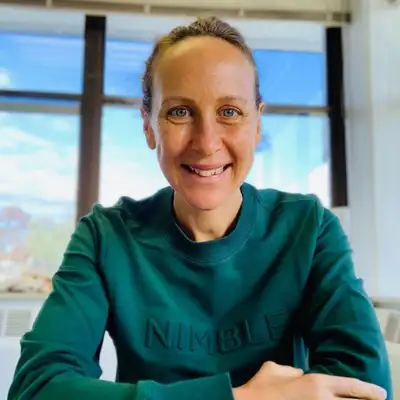
Strong, Not Skinny: Real-Life Fat Loss and Muscle - Kelsey Johnston
00:00
Hey everyone, it's Mikki here. You're listening to Mikkipedia and this week on the podcast, I speak to Kelsey Johnston, who's a fitness coach, nutrition mentor, and totally relatable influencer about health, nutrition, fitness, strength training, all of the things. We have a wide ranging conversation about coaching strong, not skinny, and the mindset challenges that we both come up against with clients.
00:28
and ourselves and how best to overcome these. I think this is an insightful conversation for anyone who is interested in how to integrate fat loss and building muscle into real life. And I've got to say Kelsey is one of the most relatable people that I follow on Instagram and I love it. Kelsey Johnson, known online as Kelsey J Fit, is a certified fitness coach, nutrition mentor and strength training advocate dedicated to helping people build sustainable habits around strength, food and lifestyle.
00:55
She is a certified personal trainer through NASM and has been coaching clients professionally since 22, just recently leaving her job, which she loved to do this full time. Kelsey's own journey into fitness began after pregnancy, where she gained 80 pounds and faced mobility challenges, persistent pain and frustration with traditional cardio and restrictive dieting. Her transformation began with strength training and learning to fuel her body properly. And we talk a lot about this.
01:22
the shifting away from the cycle of dieting and scale obsession to a balanced approach that prioritizes performance, wellbeing and consistency. Through her coaching, Kelsey emphasizes chasing strength, eating with intention and embracing an 80-20 lifestyle that clients can sustain long-term. And again, we talk a lot about this. She's passionate about helping people feel strong, pain-free and confident in what their bodies can do rather than simply how they look. So.
01:49
I have got links as to where you can find Kelsey in the show notes both over on her website www.kelsejfit.com and also over on Instagram with the same handle at Kelsey J Fit. Before we crack on into it though, I would like to remind you that the best way to support this podcast is to hit the subscribe button on your favourite podcast listening platform. That increases the visibility of Micopedia and amongst literally thousands of other podcasts out there.
02:17
so more people get to hear from the guests that I have on the show, like Kelsey Johnson. All right, team, enjoy this conversation.
02:28
I have to say there's nothing more delightful than going anywhere in the world and being able to use your gym membership. I have saved myself truckloads of money doing that. Yes, I totally agree with that. That's why we continue to have it. Even though we have our garage gym, we have that anytime because it's just for travel. A couple of things actually. Just so you know, I have hit record and we'll jump on into the questions.
02:53
I have a list of questions. We might get to like three of them or something, you know, to see where this sort of goes. But a couple of things on that. One, I don't know that I've seen a more kitted out gym than the one that you guys have. uh And I just bloody love it. I'm like, man, that looks awesome. Imagine having that space. And two, I love your social media account. I love how you share your life with your followers and you share the principles of your life and fitness and health.
03:22
but in such a balanced way to the fact that when you do travel, of course you go to the gym because it is sort of part of what makes, I don't know, you enjoy life a little bit more. So I love that about you and your account. Yeah. And it's like, when we go on vacation, I like to go to different gyms too. And you meet different people and they have different equipment. And it's like, hey, I'm eating really good foods. I can grow some muscle. That's all.
03:51
That's what I want. Like it's just like, gosh, I enjoy myself, you know, and it's like, I don't restrict and it's just like, I enjoy working out and we don't even like my workouts take way longer at home. Um, you know, you're kind of more dialed in and everything, but like when we go, it's just like, gosh, I do like four exercises, five exercises, two sets and give it my all. And it's just like, I love it. It feels good. You feel good, you know, to move your body, not just like sit around. So
04:21
Yeah, we enjoy that. what I love about what you've just said, you know, it's an opportunity to build muscle because you've got the extra fuel on board. And has it been a shift for you, Kelsey, over your fitness journey? and just to back up the truck a little bit, one of the reasons I wanted to chat to you is, as I said, love your social media account. And I love seeing the evolution of people as they move through stages, as we all do in terms of our relationship with training ourselves.
04:50
our food and things like that. And you've been super open about that. And I love how you put your messages out there in a way that just, I guess, opens up people to exploring other ideas of doing things. So often women chase fitness and health as a means of getting skinny and getting smaller. Whereas you're very good about going, yes, it was Christmas, use that fuel, put it to good use.
05:20
Has that always been the way for you? Do you want to chat to us about your sort of evolution in that space? Right, yeah, so like definitely not. Like when I first started like in my fitness, it was burning calories, sweating. would like, cause I have my fitness pal and I've had that for years and it's like, I look back at those entries and it's just like, I would have soda, but then I was also like trying to eat 200 grams of protein.
05:49
and I was trying to lose weight and it was more about like kind of doing these like circuit trainings. And then eventually I moved into the weight lifting because like I had such like back problems. So then it's just like the lifting weights, like, you know, I had to take breaks while I vacuum my house because of my lower back pain. So that kind of introduced me to weight lifting actually. And obviously now I have no issues, but you know, like with
06:18
you know, like wanting the scale to go down, but then every Sunday was cheat day. Um, and I'm just like, what the heck? Why, why am I not losing weight? Like I just couldn't understand what was going on. It's just like, I'm eating so good throughout the week. I'm eating 200 grams of protein. You know, I was limiting all these foods and, and then it's just like, I just didn't understand. And I was so like data driven. Like I would be like, okay, my first meal was here. My last meal was here.
06:48
I did how much of cardio, you know, like very super strict and, you know, particular on every little thing. Like, okay, if I drink coffee creamer, am I breaking a fast? You know, like I would just like, just be searching up all of these things and really like in the grand scheme of it, it doesn't really matter. You know, it's just like now what I know it's just like all of that stuff that I used to do. just.
07:18
It was just like so muddled in every little thing that it's just like, okay, the reason why I'm not getting to point A to point B is because it's just like, I have to be in a calorie deficit daily, including weekends. And then it's like, get out of that. Like, why am I, I used to spend like four months, six months dieting and then go up into a surplus for two months just to go back down. Yeah.
07:47
What you're describing with regards to your own experiences, when you have clients come to you, do you recognize some of those sort of traits in them? Yes, for sure. Like restricting certain foods, like saying they eat a lot of protein, saying that they're like moving a lot. But then like once they start, it's just like, okay, you're having, you had 4K steps in a day. That's really not that much movement.
08:17
You know, they're very focused on like burning a lot of calories during their workouts and like, you know, all those things, you know, and doing like 20 million exercises. And then it's just like, and it's always like all or nothing, you know, it's just like they're either in or they're not, you know, and it's just like, it doesn't have to be that way, you know? Yeah. And it's interesting, isn't it? Like I talk a lot about how people seem to be like for some people they're all either
08:46
on a diet or they're so far off a diet, it's not even funny. And that's sort of the art of practicing maintenance where almost never, they never get that opportunity to sort of do it because of the information that they sort of glean on social media or that they're getting from whatever, wherever they're getting it from. They're not really learning the skills I think associated with actually maintaining healthy weight. And I know that for, or at least from what I see from the information that you share, your
09:15
very good at sort of allowing, giving people the opportunity to sort of practice those behaviors that are necessary. 100%. Like a lot of the time, like I will start clients in fat loss kind of depending on their application. But like a lot of the time we do maintenance first because it's just like they have been restricting like the whole entire, the last year kind of up and down, yo-yo dining is just like.
09:43
Let's eat at maintenance. Let's allow you to have an untracked meal every week that like you don't track you go to dinner with friends or with your husband or your kids. Um, and not have to worry about it. Like the only thing you have to worry about is like listening to your body, you know, which we don't do when we macro track, like we track into we track and we clean our plates because we have tracked that right.
10:09
Um, so it's, it's really hard to get away from that. Cause it's just like, you don't need to clean your plate. Um, you know, you don't have to overeat and overeat like what your body's trying to tell you. And it's just like, work on a lot of those things, like, especially like slowing down when you're eating, like taking breaks. Um, you know, even like some of the like small things, like I have, um, you know, a client that struggles with like eating, eating a meal and then
10:37
still eating more after because she's so hungry. And it's just like, what are you eating first? You know, it's just like, even sometimes it's just like, why don't you focus on the veggies? Because that can kind of bring your blood glucose down a little bit. there's so like, you can get really, really detailed with things, but sometimes it's just like, and I mean, she's been with me for two years, but like when we first started, it's kind of like, let's just allow you like,
11:02
You start a diet and you're like, I'm not going to have chips. I'm not going to have any chocolate. I'm not going to have XYZ. And it's like, how about let's incorporate some of your favorite foods, eat it daily in maintenance. And I had a client, she wanted fat loss. We started in maintenance and she's just like, can I have like two more weeks at maintenance before we start fat loss? I'm like, oh my gosh, of course. That's great.
11:30
And she was very scared. I have gotten her carbs up almost 100 grams from what she started at. And her weight has went up one pound on average. it's just like, they probably would have been scared and just went back and reduced their food. And it's just like, you got to let it just do its thing. Yeah. And to your point as well, I imagine, because I see this a bit as well, that people come in there
11:59
and they are sort of on a diet wanting fat loss, but they're there for a reason because whatever they're doing isn't working and maybe they are doing the weekday diet, weekend sort of bingeing, which they're not aware of. That's in fact what they're doing. So being at maintenance for some people will actually bring their calories down to a point where they may in fact lose weight at their sort of determined maintenance because they were eating in a surplus before coming to see you without even realizing it.
12:28
Right. Yeah. you know, like what they were doing before, was just like such a high, like, surplus on the weekends that it just kind of evened out during the week. And then it's just like now they have like a normal intake, you know, and what I use with my with my clients with untracked meals, like we input a placeholder, you know, you are replacing replacing a meal, but the placeholder is
12:52
a decent amount of food, you know, because it's like, we want to take an account of like, if you're going to a restaurant, you know that there's, you know, butter, oils, all the things like they have to make it taste good, right? Um, you know that it's not going to be a 300 calorie meal. know what I mean? So it's just like, yes, we're taking an account of that. But then it's just like, they understand like, Hey, I can like enjoy, you know, maybe I don't get like my, you know, a hundred grams of carbs, you know,
13:21
for between meals one and two, maybe it's a little bit lower just so I can have some um extra food for dinner. It's kind of like you still have to balance that day out in a way. And personally for me, if I have untracked meals, I don't even track that day. I just have my normal meals. I do try to increase fiber because it's just like digestion is a really big thing for me. uh
13:46
meals like when you're eating out, like fiber gets lower and then you don't digest well. And then the scale weight is up and it's just like, okay, like, let's figure that out. Because it's just like, your scale weight is going to go up with meals out too. Because it's just like, you know, it's a heavier meal, more salt. Like I know we had Christmas party on Saturday, and I was so thirsty. Like, I was so thirsty. And it's just like,
14:14
My weight went up the next day and it's just like, yeah, there was probably a lot of sodium, a lot of salt, all the things. And it's just like, you know, you don't have to freak out because the scale went up. It's just like, you kind of have to logically think like what's going on in your body, right? Yeah, a hundred percent. So firstly, can you describe to people what a placeholder is? Because I bet you people are listening to that going, what is she even talking about for people who want to track calories? Like how do you use them and what are you talking about? Yeah. So a placeholder would be like,
14:43
I mean, I use my fitness pal and it's like a quick ad. So it's just like, hey, we're going to um say that you are at 200 grams of carbs and you're at 50 fat and 150 protein or something like that. I'm gonna save a placeholder of calories for that untracked meal. So that usually will look anywhere between like 20 ish grams of fat for that meal.
15:11
If you're at 200 grams of carbs, maybe it's gonna be like 80 to 100 grams of carbs for that meal. And then usually I kind of stick with like 30 to 40 grams of protein, you know, cause usually it's just like, you probably get roughly maybe a serving even if you get pizza because cheese has protein. You know, you're just saving an amount of calories for that. So if the placeholder is like 20 fats, you know, 80 carb, 30 protein.
15:39
you add that as a quick add in. Like my fitness palette has the quick add option. I don't know about other apps, but like your entry, I have clients like add that in. Like if they're having an untracked meal on Saturday, they add that in. Now they see their leftover macros of what they can eat throughout the day. Um, and I've had it where like clients, like they do that. Then they, they input breakfast and then, um, you know, they might,
16:06
have like a smaller lunch and then they have their placeholder. And then it's like, Oh, well, they'll come to me and be like, Kelsey, I have, you know, five fats, 20 carb and 40 protein left, but I'm, I'm not hungry. And I'm like, you don't eat. Yeah, that's great advice. Yeah. Yeah. And it's just like, because I had one client, she's like, Yeah, I forced myself to drink a protein shake and I felt like crap. And I'm like,
16:35
girl, don't do that because it's just like, you got to listen to your body. It's okay if you had leftover macros. Like it's truly just holding a set amount of calories for that meal out. And you just kind of, you know, almost force yourself to intuitively eat after that meal, you know, because I have clients that do a brunch, you know, and that's maybe really different because it's like, okay, you have like the next eight hours before you go to bed. What do you do? And it's just like the placeholder is nice for that. So, um,
17:05
Yeah, I mean, when people are like strictly macro trackers, including myself, intuitive eating is, is hard for them, you know, because they're like, well, I'm just supposed to eat at this time and I'm supposed to this much, know, know, and I totally, and you know what, like I feel, and you'll be similar in that when you've macro tracked for however long, you just that it's, it's less intuitive eating and it's sort of
17:33
it's informed eating, right? Even if you're not tracking, you sort of have a sense of what it is. And this is what you're trying to teach your clients, like to sort of tune into their body, but also have the confidence that they've actually got enough allocated for that particular meal. So they don't have to catastrophize that they're going out m because they've already sort of thought in advance. And these are skills. And I'm not sure how you feel about this, Kelsey, but I feel like sometimes people come at macro tracking like...
18:00
they feel like they should already intuitively know what to do. that actually, this should be relatively easy. Surely it's just a matter of adding these numbers up and, but it's really a skill that people develop in addition to listening to how they're responding to it. Yes. I mean, and I see it with like clients a lot. Like I have one client and she's been with me for years and I told her, was just like, your bottle of Fairlife protein shake and a cup of raspberries is not breakfast.
18:30
You know, because she struggles to get in her food, but then she struggles. Like all of a sudden she's just eating all of the popcorn and all of the goldfish at the end of the night. I'm like, have substantial meals. Like almost just like think back to when you were young and it's just like, you might've had eggs with toast and bacon. You know, maybe it's like, like just like having fats, carbs and protein at every meal. I personally don't love snacks for clients.
18:59
Because it's just like one, you want to give your digestion a break. um know, and it's just like, also, it's just like, don't you want to just have a bigger meal? You know, would rather have like just a bigger meal, you know, instead of having like 200 calorie meals, you know, six times a day. um But that's just me. like, yeah, like definitely kind of like
19:21
we view macros like, I can track my calories. And it's just like, yeah, but you got to hit some numbers. The macros are very important. Calories, yeah, it can determine your weight. But what happens with your body building muscle and all that stuff is really oh macros. And with the FDA, especially here in the United States, how they label foods, removing the dietary fiber.
19:50
They have those 40 calorie tortilla wraps and it's just like, they have 15 grams of fiber in one thing. And it's just like, it's really not 40 calories. like trying to explain all that stuff is just like so hard. it's like, and a lot of the time it's just like, my clients, they're like, I bloated and it's just like, they're eating a lot of those like high fiber, low carb tortillas. And it's just like, that's what's doing it. Like I'm super against those. So.
20:17
Yeah, no, I appreciate what you're People rely too much on that sort of information and then the net carbs thing like, this is only two grams of carbs. It's like, well, actually, if you look at the label, all of those sugar alcohols, the fiber, they've sort of removed from it. It's interesting how the industry sort of plays on that to align with certain diet trends like something's high fiber or something's low carb.
20:47
And I mean, people buy them, people buy them because they're labeled that way, you know? And it's like, there is some truth to how they label it where, yeah, those sugar alcohols, the dietary fiber is, um you know, like in our bodies, it's digested differently, but it's like, I listened to someone and they said, you can probably say if it's 15 grams of fiber, probably half of that is actually digested and the half is not.
21:16
So it's just like, but still, like if you want to be consistent with this whole thing, like just track everything, not the neck curves, you know. Yeah. Yeah. Kelsey, where in your, um because I've seen many, like, I think I've maybe followed you for, I don't know, four or five years or something. And, and, and I'm really interested to know what was, when you had that sort of transition of thought in and around weight training.
21:42
Did your feelings around food change at that time as well? Who were your sort of influences in that? Who sort of helped you change? Are you saying like what made me get into more weight training? Or more about not just weight training, but sort of uh how you feel about food as well. Like who were your sort of mentors in that space that sort of helped you sort of evolve your thinking? Yeah, so I was like when I first...
22:08
little baby Kelsey in the weight room. I was coached by Bob and he very much taught fueling your body for lifting weights kind of thing. Making sure you're eating something before you're lifting. When I started weight training, because I was working full time, I started work at 6 a.m. I was waking up at 4 a.m. and getting my lifted. The only thing is just like
22:38
I wasn't eating anything. was going downstairs in my basement, lifting weights, would go to work and I would not eat until 1 PM. Because I was really huge on fasting too, but it was counterproductive to my goals at that time, which I didn't know. But then eventually I changed my training to evenings. um
23:06
And then like all of a sudden like COVID happened and then it was just like we were working from home. So then I like was having a really hard time like forcing myself to eat something before like working out because I've never done it. You know, it was new, it was uncomfortable. And I literally just started with a banana. Started with the banana, then it became two pieces of toast with a little bit of like powdered peanut butter on it.
23:35
And then now it's my new creation of my normal pre-workout meal, which is now like sourdough and it's protein and bananas and honey and all that. Like sometimes oh one of the biggest meals in my day is my pre-workout meal. It's just like knowing that this food that I'm eating is going to fuel my workouts. I get stronger. It's going to repair the muscle. Like that's like probably one of the best feelings, like being super excited to lift and like
24:05
eat food to be able to perform really good, but also let you just like feel good because it's just like, I used to just hoard all of my calories at night and it's just like, I'm just sitting around like they're yes, yes, they're doing something in my body, but it's just like, to be able to like, and even my post workout meal, it's, it's a very large meal and it's just like, now it's replenishing and it's just like, it's building the muscle and it's just like, you know, and like, I mean,
24:33
Ever since I've done that, like my body recomposition has like changed. Like I can definitely eat way more than I used to with prioritizing like, you know, half of my carbs. Like if I'm at 200 grams of carbs, a hundred grams are going around my workout. Like, yeah, it does suck. Yeah, it does. It sucks, but it's just like, it does. I feel like it helps your body composition and, um, I stress that a lot with clients. So.
25:02
Yeah. And you're so like, I love how you share your journey and the before and after pictures on social media, but not just for you, but your clients as well who have been, and you can see how their body composition shifts over the years. And I think this is what people just need that evidence, don't they Kelsey? Like particularly, and I wonder about this now actually with that sort of the rise of, you know, the GLP one era where we're now seeing people being transformed, just to,
25:31
tiny, tiny celebrities and whatnot. The rise of the skinny, which is something that I feel that we sort of left behind, even not that many years ago. And maybe it is only in the bubble that I exist on social media where we're much more about strength and um being strong rather than being tiny. to see um that you've got clients in yourself, you're eating more, you're lifting heavy, you're
26:01
looking amazing, people need that kind of evidence, is why it's great that you share that. Yeah. And I know I have clients that are very much like they want to lose weight, but then they're also like, I want to be your client because your clients eat so many carbs and you get their carbs up so high and you have food freedom.
26:27
You don't say no good or bad foods, which is all true. like, yes, like I've had some clients where it's just like, you know, I have a lady that's like, she's a grandma, she's 60 years old and she's eating almost 300 grams of carbs. I would have never known that. I just tested waters, you know, but then I also like, and it's like, I share those wins because it's just like, now it doesn't happen with everyone. That's the thing. It's just like, I have clients that are the complete opposite.
26:58
we're in maintenance and they have to be very, very strict with their calories because if they have more than one meal off plan, their weight starts going up. And it's just like, all depends on the person. Like some people's maintenance calories are not like this flexible thing or this big range. Some of them are very small range, you know, and it's just like part of it, it's just genetics. Everyone's different, you know? And it's like, for me, it's just like,
27:27
I always test upper limit of maintenance calories and I'm just like, okay, it's been like a couple of weeks. Let's just like push the carbs up a little bit, you know? And it's just like, they trust me and they just follow. it's just like, if, and I've had to pull back, I've had to pull back clients' food because it's just like, okay, it's, your weight is going up too fast that we know it's not muscle because.
27:53
Muscle, unfortunately, takes a very long time to build that it's just like, let's just kind of backtrack and like their weight starts to settle down, you know, and it's just like, and the fact that we have the flexibility to do that, like, oh, let's just pull back food and like your weight starts to come down and like level off. It's kind of like a blessing and we should be grateful for it. know? I agree. I totally agree. And I think this is the beauty of having a coach is that
28:23
It's, if you're doing it yourself, would almost not, you just wouldn't have the confidence to push it. Cause any decision you make with food and training can always be changed. Like nothing is set in stone. it's not like, you know, if you lift your calories, going to have to, you have to keep them there and, you know, continue to, you know, yeah, yeah, a hundred percent. What I love is how you have
28:50
in what you've just said is that you've been able to be more flexible with your calories and you've seen it a lot in people because of the growth of muscle, because of that sort of flexible mindset with food and that you're building that flexible metabolism. Now, Kelsey, I am sure a few years ago you shared how your blood sugar actually started being elevated. uh I believe it was through a build, but of course you can correct me. What again was really like,
29:19
because you share a lot on social media, you're able to talk through what you found and what has helped you. Can you just describe that whole process? Because again, this is why coaching is so valuable because you get these insights. Yeah. So that was my first true building phase. Now I will preface and say that I was still struggling with my binge eating during that building phase. Yeah. it didn't matter.
29:49
I could be at 1600 calories, I could be at 2500 calories. I was still binging. It wasn't the food intake. It was my mindset. It was my relationship with food. um All those things. I was not in a good relationship. All the things. then eventually, obviously, I got into therapy, which really, really helped. I did that for a year. Worked on my sleep, worked on my stress, broke up with the boyfriend.
30:18
Um, but yeah, like, so my first building phase, you know, I was still like hoarding still a lot of calories at night, um, in fear of like, I'm going to binge eat at night. Um, even though I still would. So I would get yearly checkups done with my doctor. Right. And I kind of noticed like in my family, um, there is, um,
30:45
what is that called? The blood glucose sensitivity like diabetes. Oh, it was like type 1 diabetes. So I was having pre-diabetic readings. So my older coach Bob was just like, hey, take your blood glucose and see what's it at in the morning. 120, 130, very, very high. And then I was even testing it like
31:10
a three hours after a meal right before your next meal and it would still be high. there was some kind of like, you know, blood glucose could be caused from stress, the types of foods. oh So at that point, I had to lower macros, go into basically a mini cut, which I still had untracked meals in. And I was able to lower it alongside of at that time, morphogen had prime, oh which now is continued. Prime is kind of the main
31:40
a source of helping glucose levels. And so I still take that. I just think with... So now my blood work is super good. It was probably, I would say, 6 weeks ago, I had a meal. It was 430. And then I had my blood work done at 630 at night. And I think my blood glucose was 70. Oh, wow.
32:07
And like, they know that I don't fast for them. That's for my um TRT for the blood work. So it's just like funny to see I'm like 70 at six o'clock at night when I've eaten like three meals, right? I'm like, okay. I'm like, that's awesome. But it's just like, you know, like not hurting calories. Like I do mostly do mostly whole foods, but I do have a good amount of fun foods in there. um
32:36
I've been trying to clean that up a little bit just because next month I'm going to go into my bikini prep competition. So I'm trying to slowly get away from some of my processed foods. uh yeah, basically just focusing on eating good throughout the day and then obviously bringing down fat on your body can help uh the pre-diabetic readings, your blood glucose.
33:05
Um, but there is that, um, what is it called where, um, the Dawn effect in the morning. So like I've actually had one client where, you know, like she was testing her blood glucose in the morning. I'm like, okay, let's just switch to like right before your next meal, you know, three hours after your last. And that's can sometimes be a better reading if people are having the Dawn effects, because it's just like you wake up.
33:31
instant cortisol stress hormone goes up because you're trying to wake up, right? Some people will have readings like that. And sometimes it's just like, wait an hour after you wake up, you've kind of calmed down, you had some water, then test. So it's just like, it's very different depending on the person. yeah, mine has been good for years. And I still test every Saturday. My coach makes me test my blood glucose. I'm even like,
34:00
sending now another thing that I haven't ever sent to like a coach is like ah my heart rate. So like my average heart rate and like my lowest because I know like when you're adding more food, your heart rate can kind of go up because it's just like your body's working more. Right. And it's staying pretty good. You know, it's just like with how much she's increased me, you know, like there was like that Monday when I had a check in, it was like
34:30
three weeks ago, all of a sudden she increased by a hundred grams of carbs. like, where am going to put them in? Yeah. I need to go to the grocery store. Yeah. You know, it's like, I'm not used to that because personally, like if I'm coaching myself, it's like 20 grams I'll add up carbs. You know, I'll do that. Sit there for two weeks. Okay. Another 20 grams. know, usually I, you know,
34:58
We cap out on protein and then the fats I don't like to get too much because personally my body does really good on carbs. I don't need a ton of fats. I perform better, all the things. So it was definitely interesting to having a coach right now and it's just like plus 100 grams. It's like, all right, let's do this. And you know what, Kel, I love that coaches need coaches. And I think the same as well, like because
35:28
And you learn a lot from the people above you. And also your experience with your blood sugar has been allowed you to queue into this as a potential issue for any of your clients. you sort of thought, this is, I think this is a really valuable, this is why it's so valuable to actually sort of uh walk the walk as well as talk the talk. You're sort of like putting into practice the principles and to seeing how they sort of wash out with you. Now you mentioned morphogen.
35:58
That's a supplement, obviously. Yes, morphogen nutrition. Yeah. And they do, do they do digestive supplements as well? are you like, Oh yes. Like everything is backed by like all science based, you know, third party tests. Like Ben, the owner of morphogen is literally like the smartest person I've ever met. Like all of their supplements are just like top tier, you know, there's no proprietary blends like
36:28
It's just like, it helps. There's so many good supplements that they have. And it just sucks because I don't like everybody can get them. yeah. I see on your feed that you've got like a lot of clients mentioned that some of the ones they take, and I wouldn't be able to name them, but help with the cravings, help with their digestion. Because things like that are, you know, they're, it's really great to be able to utilize them if you are in a
36:55
you know, a fat loss phase or conversely, you're trying to build and trying to get in more food and it's something that your digestive system isn't used to. Like, you know, it's always really good to be able to lean on these things. So for people to know of different brands that are out there, I think it's super helpful. Yeah, like a burn, which is the appetite and plus it does help with sleep. um That helps really good. and you don't, and like I start clients not even at a full dose of that. And I had some clients where it's just like,
37:25
I think a full dose is like six caps and it's just like sometimes it's just like even in maintenance, you know, because it's like people do struggle. Like I have clients that are on GLP ones through their doctor just for those cravings and they're in maintenance. know, interesting. ah So I mean, it's it's it's a thing that people struggle with. Not everybody does. And like I know people would be really against like, oh my gosh, how can you push to
37:54
have your appetite lowered and maintenance? I'm like, yeah, but when they eat more, they gain weight. Like, that's just part of their genetics. And some people definitely need like a, like I have one client that's on like a low dose of a GLP-1. And then when we start fat loss, gets increased. The dosing gets increased. So her doctor and me are kind of on the same page because my client goes back and forth between the two of us saying like, okay, my coach said this and
38:22
Doctors like, yup, that sounds good. like, you know, so it's just like interesting, but it's just like, you know, some people can't get GLP ones or they don't want to do it. They don't want to take the shot or anything. And it's just like, this is a more, this is a natural supplement. Everything is natural in these supplements. And it's like even just doing like half of a dose and just see if that even just stops the food noise stops the cravings because it's like,
38:49
Like you said, the whole skinny GLP-1 thing is the whole rage right now. And it's like, everybody wants to hop onto it. And it's just like, I suggest to try other different sources before jumping into that. Because I've had a client where she's like, hey, I'm going to take a break for a couple months. I'm going on a GLP-1. She came back to me. She lost 10 pounds. The first two weeks, she gained 8 pounds.
39:18
And that's, you know, I similarly have clients who have, you know, gone on a GOP1, lost significant weight, and then started freaking out because they sort of got to this point where if they lost any more, it would be, you know, way too much weight. But they're not quite sure, like, how do I start eating again? And like, this is a real phenomenon because they just followed that standard dosing pattern of, you're at this dose, and then we're going to increase it, and then we're going to increase it. like, over time, she just had...
39:47
absolutely no appetite at all. And now she's like freaking out because she's like, well, once I start eating, then I'm just going to start gaining weight. I mean, that, you know, it's almost like an exaggerated form of a diet, right? When people go on whatever diet it is to lose weight, that's actually, it's a pretty simple thing. You eat less. you, you, I mean, I say simple, I'm not saying it's easy, but you know, like that dieting is relatively simple, keeping the weight off.
40:16
is the hard bit. So it's almost like an exaggerated form of that sort of um dieting exercise, which effectively it is really not eating. Right. And like I always tell clients to like as when I increase their macros after a cut, it's just like, it's normal for your weight to go up a little bit. Like I would say probably no more than five pounds typically, but like, because every one gram of carb we eat, we hold on to three to four grams of water.
40:42
So it's very normal if you were eating 130 grams of carbs and now you're at 230 grams, it's okay to weigh two pounds heavier. Like that's really just glycogen that's purely water in your body. Like you're eating food, know, digesting food, like that's okay. You know, we focus on the mirror versus always the scale. Yeah. Yeah. That's, and that's a harder, that's a hard message for people to really hook into if it's,
41:12
not new to them, but if they haven't really framed it like that, like I can't tell you the number of people I talked to and because I had groups who I sort of run through fat loss programs with and they're like, they're super excited by what they see in the mirror and they're so delighted that their clothes are fitting. Then they jump on the scale and it's not reading as they feel it should. And it's almost like everything else doesn't matter. Like that, do you come across, do you have conversations with your clients, Kelsey, about
41:39
what the scale is actually, what does progress really look like? Because I think this is where people get little bit stuck too. Oh, 100%. And the one thing, and I do it with myself too, before I take my check-in pictures and stuff like that, I don't weigh myself. I do all that and I'm like, gosh, I feel good. uh
42:01
I feel great, like my clothes are fitting, all the things, like I'm progressing in the gym. Like you almost just like mentally think about that stuff for like two or three minutes, go on the scale and it is what it is. And you just write it down and I tell my clients, I'm like literally just log it on your spreadsheet and be like, this is Kelsey's Yeah, no, I like that. That's good, how long, and then for you, like how long does it take if you, I don't know if you can remember, like to the point where.
42:29
I mean, obviously, and you share this as well, it's not like you're completely immune to what the scale says, but you're just far more objective now. Like how long do you have a sense does it take for people to get to that sort of point? And what things do you do with them to allow them to do that? Is it like the daily weighing? Are you a fan of that? Yeah, I do feel like the daily weigh-ins help because like if I only weighed in like,
42:57
What was it Sunday? I weighed in like 130. I don't know. I feel like as females, like I've been in the 120s for the last six months and then you see the three and you're like, you know what mean? And like my husband's like, I don't know what you're talking about. Like, cause I'm like, well, you've been in like, you've been 207, 208, 209. Now you're in the 210s and 212s. Like, isn't that a big deal? Like it's kind of like when you turn 40, you know what I mean?
43:26
It's like, I feel like it must just be a female thing. uh But yeah, like I do feel like because like, now my weight is back down into the 120s, right? It was one day. So if I only weighed in that one day, and then maybe a day last week, I would be like, Oh my gosh, I gained three pounds, you know, and it's just like, the weekly average really shows my true weight, you know, because there's days that, you know, we're stressed, there's days that we might have a ball movement, there's...
43:55
days that you might have more salt and sodium throughout the day. Leg dates, days after leg date, weight can be spiked. me, after I have a rest day, sometimes my weight is up. Some of my clients are totally different. Like my husband will have a rest day, he could drop five pounds. I always laugh when you share his his sort of scale, every day's a new show.
44:22
You've done it a few times where like, I think I've seen incredible changes like day to day. mean, he's a, he looks like he's a big, carries a lot of muscle. So I guess that's the reason why, right? And that's the thing is just like, he does carry a lot of muscle. So it's like, if he does have like a really big meal, like, you know, me, you know, a smaller, I might be up a pound or two where he might be up four or five because he's double of me, right? um You know, and it's just like, I think
44:52
I will say this, that the scale is always going to be somewhat annoying. Depending on where you are, because it's just like, even if you're in fat loss, you're going to see a new low weigh in. Five days later, it might go up. And even if you're in maintenance, you've had all these, these next two weeks, Christmas, New Year's, your weight might be up for a little bit.
45:20
once those all go away, it's going to go down. So it's just like, I don't think it ever always gets like super easy where it's just like, you can totally detach from the scale. But like, it does get better because like I tell my clients and I'm like, you know what, you were up, like I have clients like all across the board. They come back from vacation. have some clients that lose weight because they're not eating enough on vacation. Like, you know, they just are busy. And then I some clients where it's like,
45:49
they're gone for a week and they're up 10 pounds. And it's like, it's okay. Like we just move on, right? um But I think like one thing that really helps is weighing in daily to see those weekly averages. um And just like, tell my clients this and myself, cause I'm like, I know the 130s are coming. like, I know I'm going to get into the 130s eventually. And I'm like, once it happens,
46:16
I'm going to be like annoyed for five minutes and then move on. And I'm not going to do anything with my macros. I'm not going to change my calories because I'm more on the scale. Like we don't do that. Yeah. And you've been through some builds over the time, over the years where you've really had to let go of or try really hard to let go of the idea that it's going up or actually see that that's actually the goal. And I think you're really good about sharing the
46:46
even if it's a little bit of self-talk, like, you know, the scale is going up because I am building muscle and it might be a bit of fat gain as well, but it's all for this end sort of purpose. And that's a real challenge as well. Oh yeah, because like my lowest scale weights, like since I've had my Bluetooth scale, my lowest weigh-in has been 118 and I've gotten up to 143. So it's just like, that's a big, you know, that's like almost, you know, 30 some pounds of a difference.
47:16
And my last building phase, which was a year and a half, I had to sit there and look at my, even my weekly averages, they would go up every single week. And I had to continue to eat and continue to get stronger. And that's what I focused on. I didn't always focus on the scale. I focused on like, gosh, I get to have so much food freedom.
47:41
I get to be super strong. get to have meals out with my family. Fat loss is always there. I know I can lose weight. It's always there. It's really, really hard to build muscle. So it's just like when people are like, yeah, I went into three month building phase, it's time to cut. It's like you didn't build nothing. It does take significant time to gain that muscle, right? Yep. Yep. So I normally always suggest like at least
48:12
I would say minimum nine months of feeding yourself in maintenance and a little bit above. I know I don't suggest surpluses for everybody, but even sometimes just doing maintenance on rest days and then just that little bit of surplus on training days, it can really benefit you. And even if your weight doesn't even go up that much, I think that's better than...
48:37
being in uncomfortable surplus, they're definitely not for everybody. Yeah, for sure. And Kelsey, obviously it helps that your husband, and I only know him as Casey, because I'm sure that you... He's totally on this, like on the same, he appears to be on this absolute same page as you. mean, you coach him, am I right about that? Yep. Yeah. And like having that in-person support of someone around you is just...
49:07
so helpful for whatever you're doing, fat loss maintenance, I'm a runner, having someone else do the run program with you, you know, having that support. Do you have clients who struggle in that arena of having people around them that are sort of on the same path or appreciate what they're trying to do? Yeah, I mean, I have both. Like I have my one client where it's like her husband's just like, oh, you're on another diet again. And like,
49:33
He gets very discouraged and like she actually just told me last week, she's like, now my husband's doing the keto diet. Um, and like we're kind of like, I'm kind of the opposite of that. Like we like carbs here. And, um, so it's just like, it's funny cause she was like, she had the rolling eye emoji. Um, you know, she gets, she gets some like backfire a little bit from her husband here and there. She handles it well, you know,
50:02
I have some clients where it's just like their husbands, like they order pizza and they do all this and they have to be like, you know, it's very tempting. They have more temptations, you know? So kind of like working through that and like, you know, to be honest, when like clients have like fam, you know, it's just like the holidays and stuff. Family members will say stuff like I've even had it, like my sister-in-law, she's like, Oh Kelsey, you can't have any of the cake because it has no protein in it. You know?
50:32
I'm sure she's kidding, you know, it's just like, but it's just like, you if you only knew the amount of cookies that I have in my freezer right now. And it's like, I'm sure they're kidding, but it's just like, can be hard, living with someone that isn't really on the same page. So definitely having my husband the way he is makes it very, very easy. Yeah, totally. And I guess this is what a lot of people push back on, you know, they
51:02
push back on social media is always being a negative thing. But if you can have that community within your sort of, within that online space as well, like I know that people find that super helpful because you're not feeling like you're in it yourself and you're doing it alone and things like that. Oh yeah. And like I always like tell my clients and I'm like...
51:27
You know, if you ever have questions or you're struggling with something and it's not your check in, just email me, just send me a DM on Instagram. I don't care. You know, like you don't have to feel alone in anything or if something upset you or this happened or whatever, like just tell me. And sometimes they're just like, Hey, I just need a vent. I'm like, vent, just go for it. You know, and it's just like, because they do sometimes feel lonely, you know? And like, I totally get that because like,
51:56
I've gone through other things, know, like personal things where it's like been really hard and like having a coach there. And it's just like, it's not even about nutrition or training or anything like that. It's all about other stuff. And it's just like, you know, like, yeah, sometimes as a coach, we kind of feel a little bit like a therapist, but it's just like that. That's, but it's life, you know, like you can't just be so like fitness 24 seven, like you still have to live your life. So it's just like a therapy part of it.
52:25
is just included. no, I exactly the same, right? Like it's, you can't silo off those parts of your life, really. Like, and I often say, and we chat amongst my sort of practitioner friends that, you know, it's never about the food, you know, like anyone that's got, you know, anything, it's almost never about the food. It's always something else. And that I find is actually a bit of a challenge of a message for some people to hear because, because food,
52:54
for all sort of intents and purposes, could be an easy fix. know, like if I just fix this thing, then this is going to be the thing that allows me to, but if there's some underlying stress or if there's an underlying relationship that's having issues or things going on at work or whatever it is that's driving someone to eat the foods that they eat, then long-term success comes from actually fixing those underlying things. But people don't love hearing that because that's just a harder.
53:23
that sometimes the harder things are, right? Yeah. And like, like I've, actually had a check in today where it's just like, um, this client, like her marriage has been kind of like up and down. I've had clients where they're getting a divorce, you know, I've had clients where their dad passed away, you know, and like she did say, she's like, I did have some like, um, cravings, some bites, slicks and tastes. ate some food emotionally and I'm like, you know what happens? It's okay. Let me know if it worked.
53:52
Did eating all the yucky food because your digestion is now off and you don't feel the best, it probably didn't solve the issue. So we kind of talk about that. Coaching people just think about, okay, they tell me how much to eat. They tell me what my training should be, how many steps I should get, etc. But it's just like, I don't just email my clients and be like, good job. Let's keep everything the same. I am talking like how I'm talking right now.
54:22
Like I record my voice, I go through their check-in, I tell them this is probably what's happening because of these choices that you made. And then we make changes if needed. You know, so it's just like, I never understood like people that have coaches where it's just like, looks good, we'll talk next week. It's like, what? Yeah. And it's a two way um street as well, right? Like if the only information you get from your client is macros, then you can almost not even
54:52
say anything. It's like, well, I mean, this is sort of meaningless really, because you haven't really given me that story. We build a relationship pretty much. And like, I start to get to know them better. And it's just like, you know, I know all their kids' names now and their husbands' names and like all that stuff. And it's just like, you know, like, it takes time to build that relationship. But it's just like, I've never been a coach where it's just like, because I just, I write everything down.
55:20
You know, I'm really, really good about writing, like even just the smallest things that they say, you know, so. Yeah. And of course you've recently made a shift to coaching full time from after working at the prison for however many years you were there. Like, was that a big move for you, 12 years, yeah. Oh wow. I loved that job. Yeah. It's a hard decision to make, wasn't it? Yeah, it was not a bad job. I enjoyed it.
55:50
Because fitness can kind of... It's exhausting. I do love it and enjoy it. But sometimes you just kind of want that mental switch of a break. And it's just like being in a prison where it's just like, I didn't have access to my phone. I just had to work. I enjoyed that. But it was just like, my passion is fitness. um
56:18
I mean, the first week was so weird because I'm like, what do I do? Cause it's just like, had so much extra time. Um, but now I've added a ton more clients since then. So it's like, am busier, which is good. And I have my weekends back, you know, like, cause I was working on the weekends and then I was working 50 hours at the prison and, um, it was a lot, but like, I definitely don't regret it. You know, now I'm saying this like six months later and it's just like,
56:47
It's good. It's good. Yeah, that's nice. then Kelsey, uh mindful of the time, just a couple of other questions I just want to ask you about. Like you've got a large social media following and have you always been really natural at sort of sharing things or something that you've sort of built up? is there any other things which you sort of hesitate before you share because of that? Yeah. So like naturally, like when I first started it, I didn't share as much as I do now.
57:17
uh Um, you know, as I built like sharing food, sharing your workouts, sharing, like, what kind of journey are you in fat loss? Am I in maintenance? Am I in a building phase sharing like my child sharing my husband, like my family, you know, people look at you like a human, you know, um, and I think like, I will say that I share like,
57:46
I follow some people and I'm just like, gosh, I share a lot. Like there's a lot of people that don't share their weigh-ins, don't share every single meal that they eat or what they might go through or struggles they might have. Or, you know, like I kind of do that weekly check-in every Saturday, kind of updating my weight, my weight trends, my blood glucose, what's my body looking like? How's my training going? Like, you know, I share that.
58:15
every single week and like there are certain things where it's just like there's certain times where I want to like hold back and not share things like it's just like because it's just like you know if I have an untracked meal and it's just like I you know or like Saturday was my Christmas dinner I ended up having two plates you know uh and then I went back for seconds and it's just like I'm gonna share that because it's just like it's okay to do that.
58:45
It makes it relatable. Yeah. Do you get like pushback from anyone on what you share or how you sort of approach it? um Typically not too much. I did have the question yesterday because Saturday night we came home and we had some, we had like one of those big butcher shop baked cookies. mean, my husband split one and then we're like, we're going to have some of these sugar cookies that we have. um And we just like eat.
59:13
whatever we want, like, okay, give me a couple of these. want to try these. um And then I had like a bunch of people message me and they're like, how many did you eat? Yeah. I'm like, think like maybe including the large cookie, think maybe like six or seven. And it's just like, I actually go on TikTok on my Saturday nights and like film and show everything that like I'm eating to show like, yeah, I
59:42
It's not that I don't eat, you know, or it's like, I know, I know people on Instagram that take pictures of food and then they throw them out. Yeah, like I, and they have actually told me like they struggle with like disorder eating and stuff. And it's just like, I don't like, I don't have to like prove myself that I'm eating it, but it's just like, it's okay to have more than one cookie if you want to.
01:00:09
And I think that's the real life aspect of what makes following your account so enjoyable. even if, and you've asked several times, like, are you guys still like, are you bored yet with seeing what I eat every day? Because literally it's the same thing every day. But I think people like, they like that continuity. We all sort of like routine and it's nice to see other people have routine as well, but to then step out of the routine. And I think for you, Kelsey, part of your,
01:00:39
of your routine is actually having those moments when you do have six cookies or you guys go away for a week and you're on vacation, you're having some sort of like, I don't know, Long Island or whatever that iced tea drink is that you love. yeah. And I think that makes it relatable and it makes people appreciate that they don't have to stop living their lives just because they've got body composition goals. And actually, instead of thinking about that really like being smaller on the scale, they
01:01:08
They're thinking about sort of building that um flexibility to not really, no, to actually have your cake and eat it too. And I think that's what you share really well. Yeah. Well, and I always see on Instagram too, or social media in general, that it's just like, just so you know, the first cookie tastes just like the second cookie. And it's like, yeah, and I want to have that second cookie. Thank you very much. That is hilarious. Kelsey, so are you taking clients right now or have you got a full roster? uh
01:01:38
I am taking a couple. I've had like four applications in the last two days, so I'm waiting to hear back on a couple. But I did post on my social media that like come 2026, prices will be increasing. um So I think a lot of people like a couple of people applied for that reason. But yeah, I am taking clients.
01:02:03
Yeah, nice one. So if people are interested sort of moving forward, this will be coming out sort of mid mid January. We can they find you? You mean like on on Instagram? What's your handle on Instagram? Of course, I'm going to pop in the show notes. Okay. So yeah, Instagram, Kelsey J. Fit, Tik Tok is Kelsey J. Fit's YouTube is Kelsey J. Fit. Those are the main ones I use. I don't really use Facebook much. ah But yeah.
01:02:31
definitely find me there, send me a DM. Like I respond to pretty much all of my messages on there. So I will say for someone who has a large account, are excellent at acknowledging messages. And it's something that I try to do as well. Even though I've got half the number of followers, but it's because when I engage with someone who, and then you just ghosted by them, you're sort of like, oh, it's a
01:02:55
That rude really, but you're never like that. You're always so lovely at acknowledging people. So yeah, I really appreciate that. Nice one. Kelsey, thank you so much for your time this morning. I know it's really great just to sort of like chew over the coaching sort of ins and outs. People love conversations like this. So, and you really, yeah, really great insights. So enjoy the rest of your day. Happy New Year. Happy New Year. Yes, enjoy it.
01:03:35
Hopefully you guys enjoyed that as much as I enjoyed doing it. I just love chatting to other practitioners in this space and getting their insights into topics which I think about all of the time and it's so great to be able to sort of share those thoughts and glean more insights from other coaches.
01:03:56
Next week on the pod team I have my buddy Cliff returning for our little wrap up of 25 let's hear it for 2026 podcast looking forward to sharing that with you a little bit later but that's fine because you know we've both been on holiday until then though you can catch me over on Instagram threads in X @mikkiwilliden on Facebook @mikkiwillidennutrition or head to my website mikkiwilliden.com jump on the Mondays matter.
01:04:23
tab and sign up to the waitlist because Accelerated 3.0 is opening next week so ah if you want something fresh for 2026 that is what you are after. team you have the best week see you later.