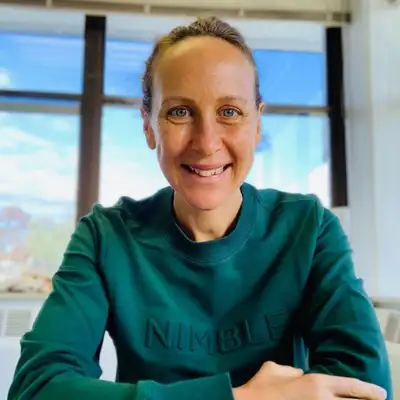
Fitness Fundamentals: Standards, Strength, and Staying Power with Ashley Borden
00:00
Hey everyone, it's Mikki here. You're listening to Mikkipedia and this week on the podcast, I speak with Ashley Borden and a board winning personal trainer and long time fitness industry leader with decades of experience and one of my business besties. This is a wide ranging conversation, not just about fitness and health, but also about standards, expectations.
00:27
and what it really means to work in the fitness industry over the long haul. Ashley draws on her years of hands-on coaching and industry experience to reflect on how the space has evolved, what's improved, and where things have arguably drifted off course. It's a grounded, thoughtful discussion about doing the fundamentals well, maintaining professional standards, and building a sustainable career in an industry that's always chasing the next trend.
00:56
So really loved this conversation with Ashley and if you don't know Ashley, she is a globally recognized award-winning certified master personal trainer, fitness and lifestyle expert and published author with over 55,000 hours of hands-on experience, transforming bodies and lives. And she built a multiple seven-figure career, working with a wide range of clients from everyday individuals to CEOs, first responders,
01:25
professional athletes, entertainers, and high profile celebrities. And if you go to Ashley's website, you will see a list of only some of the people that she's worked with, including Christina Aguilera, Ryan Gosling, the lead from Incubus. There's so many people there. And it's great to chat to her about what it's like to work with those high end, well-known characters. Anyway.
01:52
Her expertise has been showcased on major television platforms including The Kelly Clarkson Show, The Today Show, The Doctors, Discovery Health, Rachel Ray, and as a head coach on multiple seasons of E's Revenge Body with Khloe Kardashian. Ashley's training philosophy blends science-based strength work, practical movement mastery, and mindset transformation. Her insights have appeared in in style, vogue, L, shape, women's health, self, and in
02:21
number of international publications also. She is co-author of Your Perfect Fit and an ambassador for Best Friends Animal Society. Outside Fitness, she holds a blue belt in Brazilian Jiu Jitsu and teaches self-defense with her partner, second degree black belt Duda Guerra. So I have popped links as to where you can find Ashley, both her website ashleyborden.com and over on Instagram where she shares insights on the daily.
02:50
Before we crack on into this interview though, I would like to remind you that the best way to support this podcast is to hit subscribe on your favorite podcast listening platform. That increases the visibility of Micopedia and it makes literally thousands of other podcasts out there. So more people get to hear from experts that I have on the show like Ashley Borden. All right guys, enjoy this conversation.
03:14
Yeah. Ashley Borden, lovely to sit down and have a conversation with you. You are just one of my business besties, even though you're on other side of the world. you've been in this industry for decades. I think this is definitely on me. I'm just not much of a TV watcher, but you've got a huge following. You have been in the, as I said, industry for decades, working across Hollywood.
03:43
across elite sports people and of course the everyday woman as well. And you've logged like, I did the math. Well, not really. It was on your website. 55,000 hours, hands on, amazing. Yes. I remember I was reading, what was it? The book Outliers. I was on a plane and it was like, if you can add up the time that you have done whatever you've been doing, you know, and it's over 10,000 hours, you're an expert. And at the time when I...
04:12
had added, I think it was 35,000 hours at the time back then. But yeah, I mean, it's probably even more than 55,000 hours now. But it's been three decades, over three decades of training and working with people hands on and you know, and then now moving into the online space. Yeah, amazing. Ashley, like when you kicked off, were you like, what got you initially interested in the industry and in strength training actually? So what's your sort of like your origin story, if you like?
04:40
Well, I started, I've always been around fitness. I've always been around health. I mean, I literally grew up in a health food store. My mother owned a health food store growing up in the eighties when nobody was into health food at all. It incredibly traumatizing. My dad owns sporting goods stores and he had brought the USTS triathlon to Chicago. He was very, very athletic and into sports and weightlifting. And he got me like a weightlifting set when I was
05:08
I don't know, maybe I was 11, I don't even know, and introduced me to Rachel McLeish. I mean, like I didn't really understand what was going on then, but he was very into that. And I grew up around it, but I wasn't a dancer. That's where I started. So my modality of movement and exercise was dancing. So I was jazzed, Gus Giordano Studios in Chicago. I was jazzed, mostly jazz, but tap and ballet and all that stuff.
05:36
But I still would go to like the gym and work out, but I didn't know what I was doing. And I will tell you, so this is really the origin story of how I work and how I train is because at one point in my life, I did want to learn and I did want to become a better runner. I was a terrible, I still probably am a horrible runner, okay, just for the record. But I couldn't even run a block, all right. And I grew up in a family of like runners, long distance runners, marathon runners. um
06:04
cross country, but nobody taught me how to run. And no one taught me how to do anything basically. And it was like, I always felt like such a physical loser within my family of origin when it came to that kind of thing, because, you know, no one, no one ever taught me like my dad would just get super annoyed with me that I was not athletic enough and no one ever just spent the time to teach me.
06:32
how to play, I just was not athletic in that way. And I think that that has transferred over exactly to the way that I train today because I have zero shame or I shame nobody. And if you can't do something, I can teach you immediately. That is my wheelhouse. It is probably my best gift that I have that I can look at you on the screen and I can help fix it immediately and do that. And I love helping people.
07:00
get in touch with their body and become better athletes within themselves. I moved to LA when I was, I want to say I think I was 19. I'm skipping all my eating disorder part of it, but I had a raging eating disorder growing up. I went into treatment when I was 18 and I was in treatment for two months and it was an OA, overeating is anonymous, 12 step program. Went hardcore into program and then moved to LA already in program, thank God.
07:29
And um I knew that I wanted to help people with their body connection. um After being in treatment and all that, was like, know, exercise to me is like the freedom of strength. And m that really was my goal. And again, I did not go to college. I had no idea how to run a business. I, this was before social media. So I mean, I just was, I always was a very hard worker.
07:57
So I was like, you know what, I'm going to get some clients and I'm going to start training them. And I had a boyfriend that had clients and I was like, oh my God, your clients pay you upfront for 10 sessions. What? I mean, couldn't, this is how I learned, right? And so I just started collecting clients at the gym. used to train and work out myself at Gold's Gym. And it just was evolutionary.
08:21
In LA, so this, have not moved from where I am here. So it has been an evolution of me working and training, getting clients over the last, I would say it's probably about 35 years now. Yeah, amazing. But it has been a massive, I mean, we have five hours, been a massive progression of kind of how my business has evolved. But I've never strayed away from it. I've always been 100 % a full-time trainer in doing that. um And I just, I love it. I love helping people. oh
08:51
I am very good with people, but I'm also very, like I said, no bullshit. You know what I mean? And I think people appreciate that. Yeah. How did you get into TV? like, does, I mean, I guess you're in the land of, you know, TV stars or whatever. Is it who you know? it like, yeah, how does it work?
09:14
I was, okay, I'm gonna tell you a really interesting story. And this, feel like should be for everybody to hear who's also starting. First and foremost, people, you never know who you're working with, okay? So these, you know, my business started in public gym. So I was training, I private gym. So was training in all these different private gyms, but packed, right, with tons of people. So you need to learn how to self-regulate and be around.
09:41
lots of different personalities and all that. That can be very challenging, right? But I was at a gym I used to train at and there was a guy who was a trainer there who I actually don't even remember his name and we weren't really friends. I was just friendly with him. He was a muscular bodybuilder and I think he was from New York. was, you know, we just kind of said hi. I always say good morning to him and one day he said to me, he goes, oh, you know what, Ashley, I...
10:05
my client is looking for a trainer for his client and I was wondering if you'd be available to go talk to her. And I said, sure, absolutely. And so he's like, okay, so it's Christina Aguilera and I train, he trained her manager, Irving Azoff. So I said, oh, okay, sure, I'll go talk to her. So I went to Irving's house and I interviewed with Irving first and I interviewed with Irving and then Irving hired me and then I became Christina's trainer.
10:34
But the point of that is, is the connection of that was not through some service or some business, it was through a guy that I worked with at the gym, you know, who gave me the referral. So I would say a lot of in Hollywood and in LA, it's all referral word of mouth and your results. So like doing television and doing that, I think within the next progression.
10:59
But also the other thing is, it's not everybody who's a great trainer, who gets results, is good on camera. So when there is a small demographic of people who they can rely on, who will show up, you'd be surprised, who show up, who follow through, who are good on camera and who actually make a difference in helping people, I think it weeds it down. It whittles it down a little bit more. And I'm in LA.
11:26
I mean, I'm in the Mecca of where it is. at the gym that I used to work at, mean, everyone under the sun was also training there too. And then it becomes a word of mouth in doing that. But I I do a whole thing on my business before. I had a publicist, I hired a million years ago, and she helped me out after I started training with Christina. And that was before social media, right?
11:51
I didn't have the money for a publicist, but my grandmother at the time, who is still alive, bless her heart, was anyone who would um give birth and have a baby, she would like give money to help them. So I wrote a whole business pitch to my grandma and I explained to her my business and I said, you know, I'm not gonna be having a baby, but my business is my baby. And would you be willing to, instead of giving the money for my baby, for my business, for my publicist?
12:19
So she said yes, and so she helped me pay for my PR for a year. Oh, that is amazing. Amazing to that support. Yes, and that was amazing. And that was like way, I think it was back in my 30s. And I'm 54 now. So yeah, it's very much, it's very much a word of mouth. And then when other people see you work with this person and work with that person, but I have a big variety of different types of people that I've trained with over the years. and I'm curious, like, so Christina Aguilera, and you've worked with several other
12:49
names as well. And we've chatted about it before. And to be honest, I can't recall who it is that you told me. And it's also sort of public knowledge because, that you've, you know, it's not a secret. um you thinking like, when you were beginning here, that these people would be different from your everyday normal person that you would normally train or were they just cross the board?
13:18
pretty similar to Joe Down the Road versus Christina Aguilera. Well, I mean, it's very different depending on who it is and the level of their fame. then what you're doing, like I toured a lot with Christina. So I really got to see the toll that that does take on somebody at her level and what she had to do. So wait, just to get to your question, here's the thing. The bigger the celebrity,
13:47
And when you're younger, I think it's harder for them at first because when you're very wealthy or you're a celebrity or you're used to that and you're younger and then you're like, I want to get in shape. You're so used to being like, oh, I want those books and then I buy them and give them to you. Oh, I liked, I want that hairstyle. So the woman comes over and she does it, it's done. It's different with training. You can't, I want that six pack in those arms. You have to work for them. So the thing about strength training is that it doesn't,
14:16
matter how much money you make, doesn't matter how famous you are, it doesn't matter what movie you did or what album's coming out, every single person is kind of equal across the board. mean, you know, look at Oprah. I mean, now she finally started strength training, you know, so it doesn't matter. To me, I think that's the real, um the real eye opening thing for a lot of people who just start in training, who might have had everything at their fingertips.
14:42
is that they realize, I need to actually do as much work with this as I do with my craft or whatever it is. And I don't treat anybody any different. I do know trainers that do treat, I do know some trainers that treat their civilian clients very different from their celebrity clients. And that makes me nauseous because what are you doing? Yeah. Yeah. I mean, everybody to me is a human being across the board in doing that.
15:10
Um, but I, you know, there's no difference. guess the only difference would be in like, what's the environment that we're working in. So if we're on tour and we don't have a normal schedule and it's in middle of the night and we're going into gyms that are opening up for us to come in and do that. I mean, that sometimes would have to happen too. So it's a lot of, for the trainer is self-regulating when you're on the road or you're doing things like that and working with high level people. Um, you know, so you could be an asset, not be a
15:41
a liability and you can self-regulate and you're not a pain in the ass, but you're also something that is very valuable to everybody. So I've seen it all. Yeah, it sounds like it. And it is interesting and you're so right about the strength training part of it because it isn't just about getting slim and getting thin. It's actually about being in shape and having a certain look and you can't achieve that look literally just by losing weight. And often if people do just do that,
16:09
then they end up just being like the smallest, squishier version of themselves. Or just skinny as, and gosh, haven't we seen that over the last year with the emergence of the GLP ones? And I remember, and this is purely thinking about celebrities here, I hadn't seen what Kelly Clarkson and Arianna Grande, I'm not sure. I don't know what she does actually, she's a singer or something. I literally cannot Singer. Yeah.
16:36
She's a singer. She's a singer. I could not believe it, Ashley. I could not believe what these women look like now compared to... And I am sure when they started out that this wasn't the intention. Like, surely you're not trying to look as skeletal as you do now. Because people want to sort of look a certain way and you sort of can't achieve that without actually the hard work. And it's like, well, here's what I say. Okay, so take your GLP-1. Okay. Well, hello.
17:05
You still, I mean, probably more now than ever have to strength train. Yeah. You know, I mean, just because you're a skinny twig and then now you're a midlife woman and you are, you know, and then like all your markers are changing, you have no muscle mass, but I'm not saying that's every woman or anyone who takes GLP-1s, because some people have like the right combination down with it they're living their best life.
17:33
But for the women who are not strength training and only depending on that, it makes me so nervous because I'm like, oh gosh, you have not hit the wall yet. I mean, our muscle mass is like the key to vitality. And yes, great that you are no longer obese, if that was the case. But I'm seeing a lot of women who just wanted to lose, I had a client that I used to train for a long time. She's gorgeous, right?
18:02
and super in shape and we worked so hard to put all this muscle on her. And then the GLP-1 came out, I stopped training her and she is just taking GLP-1 and you know, when she lives, she loves it. Okay, you know what I mean? But, you know, that's just me.
18:23
I don't want to be Mr. Burns from the Simpsons. You know what I mean? Like that does not look cute on me. And then I look like a frozen, a shrunken apple face, you know, if I start getting like, you know, so I have to, I want to to keep some muscle mass on my body, but I do understand. do. It's kind of like, I mean, I can't imagine going through recovery from an eating disorder and then knowing that you have that out there, you know, that you could just inject yourself with this and.
18:52
and then you're not working on the mental part of what got you in the bad place. And that's what I always say to people. I'm like, look, if GLP-1 is giving you some freedom, work on what got you there in the first place. Like, you know what I mean? If you were obese or you had serious food issues or eating issues, um which I understand, we need to work on those.
19:18
Because yes, the drug is quieting it down. I would not want, it would panic me to think that what if I don't have the drug anymore and then everything comes back to me? I haven't worked on my brain. I go off of them and then I am fucked. So I just always encourage that. Yeah. Yeah. And it is, if it gives you the spice to work.
19:46
on the habits that ideally you can continue to build and really sort of um entrench if you like, then that's amazing. But if it's like a quick fix or yeah, and I guess it's the same with anything in fitness. And because of your, I suppose, decades of um work, Ashley, you've probably seen it all, particularly in the area that you're in about, know, things come into.
20:12
Not that this is a fad, but know, things come into fashion, things go. Like, do you have anything that sort of, I guess, stands out over your history where, you know, it was all the rage and you were, um yeah. You mean, oh, well, I remember when everyone was taking hydroxy cuts. Do you remember that? Oh, I remember the name. Like in the nineties, was it? I say it was like, was it the nineties or like the end? Yes, like the 2000s and like.
20:40
I remember I would take like a hydroxy cut and then you feel like you're on speed. And then I got on the treadmill and I was on the treadmill for like an hour. And then you would get off the treadmill. You'd be like, you'd want to be smoking a cigarette and like so effed up. I would say that the hydroxy cuts after everybody up back then in the, back in the day, um, something that I'd say this is a kind of a trend thing goes in and out of things. Like when you have multiple modalities as one thing.
21:09
Like we had a thing called the Palloxing. There's Pilates and boxing. Yeah. Okay. I'm just like, really cannot, first of all, these are such different modalities. know, one is you're actually fighting and one you're doing Pilates work, you know, as a dancer or whatever it is. it's, they don't match and they don't match.
21:34
and you don't, they don't match. And then you really need to learn how to box in the right way. Boxing is not a, know, boxing is not a, boxing is like, you need to learn what you're doing. You know, I remember being so disappointed when, I think it was Billy Blanks, he had his box, I can't remember what they called it. Taibo. Yes, and it came to Les Mills here in New Zealand. And it was sort of, I think it was mid to late 90s. And I was so excited for this. And I remember,
22:03
thinking that this was going to be the workout that was going to burn the most calories and I was going to get such a sweat up. Then when I went to Les Mills and tried it, was their version body combat or I think it's what it's called. I remember doing the moves and thinking, punching into nothing. You're like, oh, my elbow. Yeah. Shit, was sore. My fucking shoulder. Yeah. I literally do not feel like I've done anything. uh
22:32
punching into nothing and just moving your body into space. I don't know, it takes a special kind of person, I think, to be able to get any sort of like, a workout from that. But, you know, that was all the rage. I mean, it was, you know, and then he lost the rights to his own name. Oh, oh. I don't know what happened, but something happened with that. remember hearing about that. Well, I mean, yeah, I mean, it's like, I just feel like I'm, it'd be like doing like jujitsu and.
23:02
Um, what, don't know, like to Jim, something that doesn't make any sense. Like, you know, like it's too much, there's too many things to focus on anyway. I need to just focus on my Pilates. Like you need to, I need to understand what I'm doing with my body. Pilates boxing is so completely different. It's totally nervous system central. It's just very different. You know what I mean? And I'm just saying like, I think mixing them is like, I get it. You want to do something different, but
23:31
I'm more old school and like, like the singular modality of what I'm learning. Yeah. And have you always been into strength training as well with the stuff that you do with your clients? it, and I imagine that when you were doing it, wouldn't have been like initially, it wouldn't have been as popular, say clearly as it is now, or as well known as how beneficial it is. Well, I'll be, I'll be really honest. I mean, I'm always the one to be like, you know, this is why I'm always down for learning because I,
24:00
I would say it wasn't until about four years ago that I was like, oh, okay. Cause I had a reoccurring L4, L5 injury ongoing with my back. Okay. My body wasn't developing. I mean, we're talking debilitating spasms in where I'm training people myself. and I couldn't get to the, I couldn't figure out what it was. I went to all these osteopath doctor, all these things. And I was like, oh my God, am I going to...
24:26
At one point, I thought I almost paralyzed myself. I it was horrible. And I hired a powerlifting coach during, I was this COVID? Or maybe it was COVID, maybe it was longer than that. Oh, COVID was six years ago? Oh my gosh. So was around that, right? And I hired a female powerlifting coach online. And I said, I really want you to help me with my squats, my bench press, my deadlift. And we figured out...
24:54
that the issue with my back was where I had my weight distributed in my feet when I was squatting. And it changed my life. It healed my back, it fixed my problem. um I was squatting the wrong way. I was still squatting like from back in the 80s. I had never, this is what I'm saying. Like I had never really learned. I had been, I say this with a lot of people, you know, a lot of people copy, right? Or they mimic.
25:24
They like mimic the movement, but they don't really know what they're doing. And I think I was doing that for years before that. And the squats never felt right. And so after I had worked with her for a little bit, it just changed my world. And then I got really into, you know, my numbers went up. I got so much stronger. You know, at one point I was doing 20 pull-ups a day. You know, I mean like super strong, right? I would say back before in my 30s,
25:52
Even in my 40s, I mean, yes, I was strength training, but not in the way that I think I understand it today. You know, I mean, that's the beauty of education is that you can always become better, you know, and what you learn. And I always am very honest with people, tell them my experience too, because I was not, you know, I'm not a freaking genius. just use myself as an example. And then when I understood what was going on, I was like, oh my God, that's why I always say midfoot. I'm like the weight in your midfoot.
26:19
when you're basically doing anything is life changing. It's that shifting back into your heels and lifting your toes up when you squat or you RDL or, and that was what would just F-ing my backup. and then learning how to brace the right way, learning how to brace with training, I did not know how to do that correctly before, and that has changed my life. So you raised such a good point as well, because so many women of around our age, and I'm a few years younger, but you know, similar.
26:46
to you actually is that we have actually been training for a couple of decades now at this point. It's been a mixture of, would have been cardio initially, HIIT, circuit training, so great, running and all the rest of it. And maybe now we are now much more sort of focused on trying to get into the gym and get strong and listening to that sort of lift heavy message. Because of the hormones? Yeah, yes. And also in the bones and
27:16
but also the ability to lift heavy, it's hard to do if you've never done it. So you could have been working out, but not actually training a number of years. And here's the other thing, and this is why I understand and I really empathize with women my age and getting into it, is that, you know, I have a program called Muscles Over Metapause, right? And I'm in my eighth round of this. Now, the reason...
27:43
that so many women trust me with this program is because I coach people how to move in the right way in class. So everyone learns the right form and I help individually with people with their form and doing that. And I explained there's no shame in the modification game and learning how to do it the right way. like I said, I am older than you. So like the eighties was the time that like we really learned.
28:11
fitness, right? And that was all aerobic base. There was, didn't learn proper strength training. You know what I mean? I did not, I was not a power lifter. I didn't learn any of this stuff, right? And um learning it later in life and then being able to help other women and no shame with it either. That's the thing. I can't, uh generally other trainers, well, okay, I don't want to say that in general, but you know, when you have a trainer, I've had many clients over the years that have said, Oh, I just came from another trainer and they said,
28:41
I can't learn that or it's not right for my body. And really what it is is that they just weren't able to teach them the right way. And once you learn that and you trust me or you, whoever they're learning it from, then I can help people to feel, they're like, oh my God, I get it. And then they don't feel scared because there is a true fear. First of all, you should always train with somebody who's been injured.
29:07
Okay, if you, you know, when you've had a coach that's been injured, they understand. So I do understand the fear about lifting heavier. And by the way, if you're scared to lift heavier, understandably, you literally can't even I'm talking even moving the heavy dumbbell. Like these are the things that trainers need to think about. It's scary for a woman who does not lift.
29:31
to how do you have to teach them literally how to manage, how do you move a 50 pound dumbbell? How do you get it into a goblet? How do I do this if I can't get underneath? It's the functional practical side also of your strength training that people need to know too, like moving things on the floor, how do I put it here? How do I dismount it? Very minutiae centered uh the way that I coach people.
30:00
nothing is left unturned. So they feel so empowered and they feel so much safer. And I think that that's the key word. If you feel safe and you know what you're doing, then you can do it. You know, I mean, if I was going to run with you somewhere, I would be like, I need Mickey to train me for a little bit. You know what I mean? Because I'm not a long distance runner. I'm not even a runner. Like I think I'm actually a bad runner. So
30:28
I would want to hire you to like, know, that's not what you do, but that's what I'm saying. Like I want somebody to coach with me, you know what I mean? And teach me and- Get the reps, get the evidence that you actually can do it. And actually in your experience, a woman confused with what they need to be doing in midlife post menopause, is there still confusion amongst the ranks? Are more women coming to you a bit more informed and then they know what they need and this is why they're here? Or is a lot of what you're sharing with them new information?
30:56
I'm curious because we've got a little, it feels like we're in a little bubble sometimes in the internet. That's true. Yes, it's true. Because you think, oh, everyone understands what's going on in menopause. And then there's like, that's your algorithm. No, I have both. I had a woman who I had sent out one of my sales emails and she'd want me back. And she said, I thought you can't spot reduce. You said that this is going to attack my core belly fat. And I said, great question.
31:23
I said, that is a great question or great comment. And I said, let me explain how it works when you're lifting. And by the way, I am going to use layman's terms of this, but when you're lifting heavy enough that you can elicit a hormone release when you're in the rep ranges of 10, eight, six, four, you know, when we're working around there where you are breathless, that's, and I said, you know, that is giving you this hormone release. And that is what those hormones and that is what is
31:52
attacking your visceral core belly fat, is, you know, different from when you're doing maybe, you know, you're on the treadmill and you're doing 20 minutes of cardio and you've burnt some calories, you're not getting that hormone release. And, and then I do point to this to the research that have been on it. And the research has also shown that women who are post menopausal generally have to have even more volume in the week of
32:18
what they're doing and hitting more like even one rep maxes so they can elicit that body change, you know, and they can have a structural change. um I think the study that I was looking at was showing that showed that, you know, two days a week of strength training where they're working in a low rep range and they're working heavy enough for women who are, you know, perimenopausal was like a sweet spot. Now muscle over menopause is three days a week of one hour strength training that involves foam rolling warmup.
32:47
strength and accessory sections. um And I think a lot of women also aren't used to, you know, an hour of work. um We get a lot of volume in, that hour of work. I'm not saying that you can't do 20 minute workouts, half hour work. I mean, all those things are great, but that's just how muscle and my metapause works is also, also women aren't used to resting. Yeah, so true. They're not, all right, my age women are not used to resting in a fricking workout. That's not how we,
33:16
In the 80s, we didn't rest, okay? We just went from one thing to the next to the next and did lots of cardio and we did not rest. So that's also a new thing for a lot of women is taking the rest. But I have to say the feedback is I have not had one woman, they've all said, oh my God, I love these workouts. Like I love them. They don't crush your soul. Like I've done CrossFit, talked about crushing my soul.
33:46
And I've done these things, you know, so I do understand the extremes of them all. And, you know, I'm not out to be right. I'm just out to help people. You what I mean? 100%. And everyone's got to find what sort of lights their fire, whether it's... And back to like, Pilates boxing or whatever it was, know, like... Ploxing?
34:08
Yeah, yeah, peloxic, yeah. It's even an awkward word to say. yeah, yeah, like the idea that you get someone in the room to get them exposed to something that they may enjoy and actually get their body moving. And I think to your point as well about teaching a woman to feel safe in that environment where she is lifting heavy weights is super important because a lot of it, you know, we think about, you know,
34:33
improving body composition, getting lean, getting your abs back or whatever. don't know, I've never had abs. It doesn't matter how lean I am. Everybody has abs. But actually just that functional fitness is really important and being able to move in space and feeling confident and protecting yourself against injury and things like that. That's a Right. And I think...
34:59
And I think that's missed, right? Cause everyone's like, you you need to lift heavy. You need to, but then there's this huge empty space of like, I don't know how, or also I'm afraid I'm going to hurt myself. I don't think you understand. I have been hurt. I have been injured. You know, I lifting heavy makes me bulky or, you know, like when I hear that I'm like,
35:20
I'm like, well, it's probably your lactic acid is what you're responding to, the bulkiness that you're feeling when you're doing that. And also could be your form, that everything you're doing, you just feel your quads and you do not feel your glutes. That's what I'm saying. So I understand the normal things that I hear from women. And um I would say, it's like with muscle or menopause. That's why I'm like, look, I have a hundred percent money back guarantee, which I do for every single program, because the last thing I want is anybody being forced to
35:50
be in a program that they don't like, you know? So you have two weeks and if you take classes and you're like, I hate this, I'll just give you your money back and we'll call it a day, you know? But I've actually never had that happen. But I wanna give women the, I don't want them to feel trapped, you know? And I don't need to trap people to have them be in my program, do you know what I mean? So like you have the freedom to have your money back if it doesn't work for you.
36:18
I think that the space that we're in, you were saying, like we probably have similar algorithms that we see a lot of, right? You you see a lot of these, or I do. I see a lot of the same women, the same speakers talking about, you know, lifting heavy and barbell work. Now here's the thing. I don't teach muscle or menopause is all dumbbells only. There is no barbell work in this. And I have done programs that have had barbell work.
36:45
and doing that. And I've done 12 week programs or was 16. It was too long. It was way too long. It's way too long. um And I love barbell work and doing that. But I have found the sweet spot in teaching dumbbells is that once if you can manage all the heavy dumbbells on your body and you can hold a heavy dumbbell and you understand your body in space with movement and managing that, then the next step for you would be barbell. You know, if that's what you want to do and move into. um
37:15
But I've just really enjoyed, and I needed to experience what it feels like or see my results of my body just working with dumbbells and not barbell. So I can be honest and give you the feedback, you know, because I don't know if, you know, there's a lot of people out there that sell programs and they don't do them. They don't do their own program. They're like, oh, are you kidding me? I'm doing barbell work and I'm doing...
37:39
Hirox, is that what it's called? Or whatever, they're doing their own thing. They're not doing these programs. I actually do the Muscle Over Menopause program with my group and it is how I train in doing that. So, you know. And Ashley, like there's like a huge, huge in social media right now, obviously about perimenopause. And that actually has been quite big for a few years, which is quite good. It's a sweet spot. I'm riding that wave because that's me, you know. m
38:08
I feel like you're more targeting women beyond menopause. Are they feeling left out of the equation or left out of the conversation at all around what they see on social media? Are they sort of coming to you a little bit unsure as to whether the messaging that they're hearing is actually applicable to them as well? Or is it just for women and perimenopause? What is that general sense? Well, I would say my demographic on social media is about 40 to 55 years old.
38:37
40 to 55 year old women. But muscle menopause, I do have actually a couple of women who are in their 70s that are in the group as well with it. um You know, it's different. think having Phylicia, so my OBGYN, Dr. Phylicia, she was a big speaker with a lot of my muscle menopause program. So she spoke a lot about, you know, when you're post menopause, you know, I'm post menopause, but now I'm on HRT. I'm on, you know, I'm on,
39:05
I'm on hormones, not on human growth, I'm on hormone, I'm on progesterone and estradiol, right? um Changed my entire life, I was like half dead without it. I think what is changing in the conversation for women who also are post-menopause is that it's not over. That's my message, it's like it's not over. And Dr. Gersh talks a lot about hormones are for everybody at any age to be able to do it. And I think that there was...
39:33
you know, back in the day in the 90s, we had this, a women's study that came out. um And I'm now forgetting. Yes, thank you. Women's health in the 90s. And a lot of women my age still are thinking that women are taking Prempo and they're, you know, they're still on these old equine hormones, which they're not, you know, now we're on bioidenticals is completely different. but people don't know this. And so they still think it causes cancer and then no one's on hormones. And then
40:02
Like I was, I was like dying inside. You know what I mean? I mean, it was awful. actually with that, because I know you've told it before on social media. think people find it interesting. Well, okay. So in my 40s, you know, as a trainer and in a gym, I was working all the time, right? So I was training. Who had time to think about my hot sweats? I literally would bring three changes of clothes to the gym and next to my bed when I would sleep, sweat profusely and just change my clothes and go back to work and do the stuff, right?
40:30
But I felt like, I kept on saying, it feels like my body is eating itself alive. That's the only way I can describe it, okay? But I didn't know about going to have my hormones checked. So I would see my OB-GYN, I would tell her about the things that were going on with me. And she was like, you know, you need to take testosterone. I was like, I do? She's like, yeah. I said, well, should I do my blood work? She's like, well, you need to do your blood work. So my old provider I had.
40:58
So I was taking oral, another tongue thing, and the only thing that happened was my hair fell out. Okay, nothing happened. So I was getting desperate and needed some help, and I finally was asking everyone under the sun, and I finally, through a recommendation of my client, was like, Dr. Felizgar, she's in Irvine, which is like an hour away from here. So I went to her. She was...
41:23
I've never had anyone sit with me this long and ask me every single question under the sun of my evaluation. She's like, I want to do massive blood panel on you. So I took 20 vials of blood. You know, I mean, it's insane. And it all came back and she was like, well, I have some news for you. I'm like, yeah. She's like, you have zero estrogen, not a little zero, zero. All of your numbers of everything, your LDL is 171. It's horrible.
41:53
My thyroid was horrible. um I was getting swollen and feeling bloated and I was basically like dying inside. You all my numbers were off. So she put me on progesterone because she's like Batman and Robin progesterone and estradiol. I'm like 200 milligrams of progesterone every two weeks. She believes in cycling it. So you get your period, which I do again, you know, um and then I have my estradiol patch that I do twice a week and it's point one.
42:22
I do for that. She is all a believer in having not just enough hormones, but having enough hormones that brings you back to your, to where when you were at your height of health in your twenties, that's her to be a super ager. I'm like, yes, I want to be a super ager. So that changed literally everything for me when I started my HRT. I mean, everything. I always felt like a shrunken apple. You know, no matter what I did when I lifted, was always
42:51
I always just felt like Mr. Burns, you know, um couldn't get my glutes to grow. But all that was because I just didn't have any hormones to build any muscle. You know what I mean? So that really was such a moment for me. I'd never even thought about hormones before. And I talk about anything. So I started talking about it on my Instagram and telling everyone, giving them all the labs that my, she said, yes, tell everyone the labs that we did, share it with everyone. You absolutely can. um
43:20
And that has been just life-changing for me. Life-changing. is like, again, to my point about sort of being in a bubble, I do get the impression that a lot of women already know all this about HRT and how helpful it can be, yet, um then had a conversation last week with someone in person and we were chatting about hormones for someone else and they were like, oh, but that's not good for you. It's not good to take hormones.
43:49
of the Women's Health Initiative. So it's so easy to think that what we're discussing is just common knowledge, whereas actually such a minority of the population has that. of course, this is what social media is really great for. It's actually getting good messaging out there. People just have to sift through what is good and what isn't good messaging. Yes. And I I'll tell you, I mean, I have my, you know, I'm
44:14
Like I appreciate people's feedback, but I will always make my own decision based on my own information and all that. However, but you were asking me before we were talking just the side note about it. You were asking me before about how did my surgery go with my implants? And that was something I actually want to talk about because I think that's something that people don't talk about. And it was a very big discussion on my social media about.
44:38
me getting either my explant, if I was going to get explants or if I was going to get them redone or what I was going to do. So where did you get your implants? So I got my implants, I was, gosh, maybe 11 years ago, 12 years ago, maybe. Um, I was like a saggy sock before, it just was two saggy socks, you know what I mean? And I was like obsessed. I was like, I'm, I want to get implants, right? I was like so obsessed with it, right? So I found this great doctor and I got over the muscle implants and for years,
45:08
It's fine, you know, it's fine. And then I started getting encapsulation, which means that like it starts feeling hard. And so it's encapsulated, it's disgusting, right? So it's encapsulating around like, you know, the fish bag you have in here starts. So I had to, I don't wait, right? So I was like, I went to my friend who's also an incredible plastic surgeon, Dr. Charlie Galanis and um
45:33
I said, you know, what do you think? And he's like, you absolutely have encapsulation. had an MRI. I'm sorry. I had a ultrasound. I had my mammogram. I had everything done at three different opinions. So when I put this on my social media, the point of the story is, is that everybody has their opinion, right? So everyone was like, absolutely get them out. What is wrong with you? This is, you you're going to be so ill if you keep them in, you know, about breast implant illness, you know, and all this stuff, which is fine. I mean, I'm like,
46:01
please give me all of your opinions. um But when it really comes down to it, it's my opinion, right? So point is I had them replaced smaller, okay? Now here's the truth though. Knowing me, I was not gonna go with a full explant when I first started because I talked to Dr. Gersh about it. She said, well, I would like you to have them out. She said, however, there's a huge psychological component to...
46:29
plastic surgery and then having a big change. And I had not really thought about that. And so then it started worrying me. So anyway, the point of the story is,
46:39
I should just got them taken out. That's the point of the story. I should have just, you know what? You know what? I just should have had them fucking taken out, lift the girls up, do a little anchor scar. I don't give a shit. But I couldn't make that decision. I needed to feel, I guess what it felt like having them smaller and doing it. And now I'm like, I just should have freaking taken them out and just done an X plant and had it over with. You know what I mean? Because I'm going to eventually. Yeah, interesting. Yeah. Like I've had several, not several,
47:08
few people I know who have had X-Plants. And in fact, the very first time I saw them after they had their boobs taken out, and they were quite sizable, I didn't even notice. Right. I'm like, oh, that's right, you did. That's right, your boobs were bigger and now they're not. Now they're not, yes. Isn't that interesting how, like, I don't know, but I imagine that it's quite a physical change for...
47:33
You know, you get me. I mean, here's the truth, right? When you get an explant, they will cut the skin and lift up a little bit so then you don't have the saggy sock when you get them taken out, right? That's why sometimes you get an anchor scar. They'll say like you have a little baby anchor scar that will slowly go away. um But when you have encapsulation, you I had to have a drain. I mean, it's disgusting, right? It's it's causing inflammation in your body. I mean, the whole thing is disgusting, okay? I agree. think implants.
48:03
Like when you really think about them, you know what mean? I've got like two fish bags in here. But I do like the way they look in clothes. But honestly, like I said, I just should have had these fricking bitches taken out. had, you know, but, but I, but that's, well, thank you. But that's not, but that's not what I would have done. And I know me, but the point of the story is, is that you really need to do the research on something and do what makes you feel good. And then you could always change, you know, always change your mind. I'm not.
48:32
You know, I had people DMing me and being like, I don't know what you're thinking, but you're going to die of breast implant illness. Have you not looked at this link? I mean, when you start opening up your own medical stuff to the general public, that's why I'm saying you have to also make sure that you have like a good constitution because I'm like, girl, you do, you know, I don't need to hear your death story about, mean, I understand how this works, you know what I mean? But I do appreciate people's concern.
49:00
Ah, 100%. And it's interesting, isn't it? Because your career has sort of, it's spanned like a number of different audiences and you've, you know, you've worked with celebrities, you've been on TV. Now you work probably as much with like the general population as you might do sort of celeb population, just based on being online. You're basically available to anyone. Like, I wonder whether now because of that availability, you're probably much more exposed to people's opinions about you.
49:29
versus maybe when you're on TV and people, they had an opinion, I mean, who was gonna take the time to write it into the TV studio to tell them? What is she doing? um Yeah, I mean, I don't know. I don't really get, well, first, I do have certain words that are blocked on my Instagram. So maybe that's why I don't get a lot of it. I definitely protect my mental, oh yes.
49:53
One time I had not blocked the word and all of sudden on my Instagram, somebody wrote something and they said, oh, something in your Jew. was like, Oh, wow. Wow. This is coming onto my freaking fitness page. It was like, nice. You're such a Jew or something. I was like, that is disgusting. So I have a lot of words blocked. So you, I don't, I don't want to, I don't want to deal with any of that negative shit. Um, but you know, I mean, here's the thing. This is, this is how I really.
50:23
I love working with people and because I love also the psychological side of it. um But I'm not for everybody. You know what I mean? Like I'm not for everybody. So that's okay. And that's what's great about fitness or therapy or whatever is that you can find the right person that connects with you. You know what I mean? And I don't take it personally. I'm like, all right, I'm not the right person to work with. um
50:51
But that doesn't happen very often. You know what I mean? It doesn't happen very often. And I'm very aware. You know how there's some people who are like, are you even aware of one word that's coming out of your mouth? You know, I'm very aware of what's happening. But all those shows, I think the only thing that people who don't know is that if they never saw it and they just see the name Chloe Kardashian, they think I was on a Kardashian show. And it's not. Like Revenge Body, Chloe was the host.
51:21
And was great, I have to say. But it was all the trainers and it was the people. This had nothing to do with Chloe other than she was the great host on, I thought she was great as the host on the show. And I was so grateful to be on. mean, it was like 127 countries. got to work with, everyone could see the way I work with my SOS food plan and training and all that. And when I did that show, there was no GLP-1. My clients in 16 weeks lost, one lost 55 pounds, one lost 50 pounds.
51:50
One guy, put on 32 pounds. um I mean, so I was very proud of all the work that I did with Revenge Body. But some people think, oh, it's the name Kardashian that it must be so dumb. Yeah. And actually, do you miss the TV work? um Well, it depends on what it is, right? So like doing an appearance.
52:17
on a show is really easy and fun, it's different than, you know, when you do a reality show. So this was actually, I don't know if this is considered reality, maybe it was, but when you're doing a weight, like a transformation show, that's the word I'm looking for. When you're doing a transformation show, so this was a real transformation show. This was not like, nobody was taking drugs. This wasn't like Biggest Loser. They did not live in a,
52:44
camp, like they would go home and then we would have to manage them. And they're living their life right in their own environment. So I would work about 100 hours with each person. I mean, I am going to also say I'm a maniac. So I'm like, you know, when we did the show, we would meet our people and then we would say to them what I, you know, I would say, Alex, Alexandra, you're going to lose 50 pounds.
53:13
that's what I think you can do. And she's like, okay, and then we start training, right, and doing all this stuff. So there's such a push-pull with these transformation shows because you need to have these people still working and want to show up to do it. But then it's very hard, you know? mean, they're going from sitting in their room, eating fast food, being depressed for I don't know how many years, seriously, to then training.
53:41
Sometimes two a days, know, none of my people ever got injured. Nobody ever had injured. ah Everybody, even today, to this day, are still doing great. They're still doing great. Yes, they're still doing great. years ago was it? When was Revenge Body? it... It was before COVID. So it was maybe seven years ago, maybe? Oh my God, I can't believe it. But so, I mean, it's just a lot of work.
54:09
It's a lot of work and with all due respect, I don't think we got paid anywhere near enough for how much work a lot of us did, you know, but it was a great opportunity to have that exposure. Um, and I like competition. That's one of my strengths. So being in a competitive environment is very, um, I really like it. like that. Yeah. And do you have anything that you do now that sort of puts you back in that space?
54:40
every day of my life. Yes. Are you on the internet? mean, all I need to do is do two swipes and I'm like, oh, it's on. Let's go. You know, I love it. That is hilarious. Yeah. I mean, I'm very motivated by what I see. So I'm like, you know, looking at something, I'm like, oh, oh, can. Okay. All right. But I don't, I make sure that it feels motivating and not like depleting to me. But, um, you know, if it was the right situation I would do, I would do a
55:10
another show like that. And I do like the way that you put that because I know people who had played that comparison game on social media and it sends them into anxiety mode. And then they just ruminate on it and they get a bit obsessive by it. Whereas to your point, you're actually just talking about, you get that competitive fire underneath you and it propels you to work harder. I love that as well. Like I,
55:36
I don't often, I don't feel that actually on social media, which is interesting, isn't it? Different personalities probably. I'm like, there's enough work for everyone. Oh, I do feel that. And I feel that too. I don't feel that there is a people shortage. This is the thing. I think people think there's a people shortage and like there is no people shortage. I've never thought, I don't feel like that. It's so true. mean, I don't, do you know the book, Strengths Finders? Have you ever taken that Strengths Finders? No. It's similar to like, I the,
56:05
Is it Myers-Briggs? Is that what that's called? Oh, yes. Yeah. Yeah. Okay. The Strengths Finders book is a great book, right? You answer all these questions online and then it spits out your five strengths in life, right? And it's so accurate. And one of my strengths, it's individualization, competition, empathy, um significance, and individualization. So all of these strengths are how I thrive.
56:33
And so whatever I do needs to match one of those strengths, right? It keeps me in alignment with it. But I'm also attracted with people do like when I met you at Jill's, mean, you know, Mickey and I met. Boss up. Boss up. Yeah, exactly. Exactly. And I remember about you. Here's I remember about you. And this is why I was like, oh, I like you went running before our morning meeting. And I was like,
57:01
Who is this motivated woman who just went? And I'm like, she's on, and she came from somewhere else and she went running in the morning. I was like, oh, she is, somebody's got some discipline. I just remember hearing that and I was like, oh, she's got discipline. And then I liked that. And then like, I met Kamz, who's my designer, because I was like, oh gosh, she's so chic and seems so in charge. I, so it's so interesting the, you know, when you meet these people and then I always, you and I just connected and I was like, oh, uh I like, I like her vibe.
57:31
So yeah, don't feel, if I feel jealous or in a negative way with somebody, I'll unfollow them. Yeah. Oh, that's really great. Yeah. Because I don't know what it's bringing up in me, but I don't want to have any of that. And so I do that just to regulate my weirdness if that's the case of what's going on. mean, there's so much opportunity out there. There's so much opportunity out there.
58:01
um that there's not a shortage of work or anything like that. And I do love that positive spin that you've put on how you approach um social media. I mean, that is great, actually. That makes me want to go and look in my social media and have a look. What you're describing isn't you're not preparing yourself to take down an individual and put this stuff on social media, but it's just allowing you that opportunity to go, oh, but this is what I think about this. It's getting content. It motivates me.
58:31
Yes, yes, it motivates me and I mean, but I'll be honest, a lot of my social media that I look at isn't, I don't look at a lot of other fitness people. I mean, I have some, I have some that I do follow, but a lot of animal accounts, a lot of elephants, you know, a lot of elephant accounts, a lot of Chihuahuas, a lot of murder mayhem accounts, you know, I like murder mystery, stuff like that too, I love it. I bloody hate
58:59
I know we talked about that. That's right, we did. I told you, my fantasy podcast to create is called Murder and Muscles and it's just all murder podcasts and workouts. But I love the psychology of all that. that's why I love working with people is that I love the psychology of people and how they approach things and how you can get them to change their mind in a positive way. I like that.
59:28
But I think social media is such a gift. mean, I think it is such, if I didn't have social media, I would have never met Jill. So Jill Coleman is who we're talking about, who is Jill Fit on Instagram, who is just, I mean, should I build a shrine to her behind me at this point? I Jill and I, Jill and I have been friends, social media friends. I want to say since the, you know, we met on Twitter a million years ago.
59:57
And I followed her forever. And then finally, you know, started working with her as my mentor and same thing, you know, with you. So that helped me a lot too, is that, you know, having a female mentor who understands online business and doing that, that really changed a lot for me to be able to work with other people. But I love the transition into that. And that's, you know, to me, when there's a problem and I can fix it, it's exciting. I like that. I'm a problem solver, you know, so, so I like that. that, Ashley. And obviously you'll be able to sort of
01:00:27
other people solve problems. So can we just finish off by you actually telling us about muscles over menopause? Like we've talked about it. And it's been a great opportunity for people to hear about it. Cause I know that your program is closing this round before this podcast will be released, but you do them quite often though, don't you? I do, I do them about four times a year. And so, okay. So muscle over menopause.
01:00:53
is a five week, three times a week strength training program for women. It's for confident beginners to intermediate women. What do I mean by confident beginner? I mean anybody who's done any type of fitness modality, whether you were doing Pilates or you were a runner or you have some type of, you've done some type of exercise. This is not a program for somebody who's never done anything. Okay, that'll be a different program I'll be doing.
01:01:19
And we meet live. So the difference with this is that I live teach every class three times a week. Okay, so And you get the correction in class in real time as it's happening as opposed to like when you're taking an online class You're like is anyone even realize I'm even here like, you know what I mean? Like you could just like leave and no one would know And then we have our online community in our private Facebook group where people get more help by taking video of themselves if they need a question with like
01:01:46
any movement and I help them also in the private community as well if they need any fine tuning with their movement as well. But we also have a big support group of other midlife women. I we have like about 100 women in this group now that are in the muscle or menopause. And it's a progressive, progressive overload with strength training that happens over the course of five weeks. So you absolutely get stronger. Every single woman in this group.
01:02:14
get stronger. And I have, I'd say it was last time, this last group, I'd say it was 75 % renewal rate back into the next group. I have a very high keep repeating each program because it's five weeks. It is the perfect sweet spot of what you can commit to. You know, I mean, I you've done lots of programs too. And like I said, I've done a 12 week program where by the time we were done, everyone was like,
01:02:40
goodbye, bitch. You know, it's like they weren't so they were like, get me out of here. It's been too long. So five weeks is perfect because we miss each other, then we get back together again, and we can make serious progress and people repeat the program over and over again, because you don't hit a plateau. Also, the strength training in it is very basic core centered strength training. So it's not like we're not like doing like
01:03:07
I move like this with the dumbbell, you we're not, it's not some weird made up stuff than some of stuff I say. And there's a of education and a lot of knowledge that people gain in it. So I teach a lot and I'm, you know, they really get, you walk away from muscle or menopause feeling like, holy shit, I understand my body. I actually understand how to assess myself if I'm getting a hormone release. That's the biggest thing is like,
01:03:36
When do you go up in the weight? When do you go down? How should you be feeling? What kind of intensity are you supposed to feel? And these are all the things that we teach live in class. And that's why people end up being like, oh my God, this is so great because I can go train on my own, you know, to teach people to train on their own do it. And then we have different guests. So Mickey, you were one of our guest speakers, which was great. Yes. And different Muslim or menopause groups, I'll have different. uh
01:04:02
speakers that will come in and talk. Felice Gersh has been an ongoing speaker with a lot of our groups. This time around with this group, I'm doing more pop-up classes with foam rolling and core classes than I am with having a nutrition person and doing it this time around. But next time, I think I'm going to tap you again. the people walk away, the women walk away from this with just so much, a takeaway.
01:04:30
And that's the most, yeah, that's the most important thing to me is that they feel confident and have great education and then they feel like self-confident they can do this on their own and they're motivated. Yeah, and you know, Ashley, um what I know about you is you're very transparent and you're very genuine, if that's not an overused term. What you see is what you get basically, which is fabulous. And you are on social media, you're talking all about not only what's going on in your life, but your
01:04:58
you know, you're sharing a lot of that education as well, which I think people would think is pretty amazing given that sometimes people who have sort of moved in that sort of celeb world has been on TV, they're just a little bit untouchable. And if anything, you're, you showed that exactly the opposite of that, which is amazing. Well, yeah. And also I don't have it twisted. I don't think I'm the celebrity. You know what I mean? I mean, this is like the big, this is the big, this is a big thing. You know, it's like, I'm not the celebrity. I'm just work. And by the way, I mean,
01:05:29
Just because somebody is a celebrity or everyone is fitness neutralizes people. That's what's great about fitness is it neutralizes people, you know, and that and that aspect. And it really depends on what they're doing. It's like I used to train Brandon Boyd, who is the lead singer of Incubus. OK, now Brandon. Brandon was still touring. Brandon was still singing. Brandon was still, you know, Brandon's in great incredible shape.
01:05:55
different goals because he needs to maintain to be able to sing and do cardio and stay ripped and strong, but still to be on tour and blah, blah, blah, and do all this stuff. So I just, you I love different people have different jobs and like, you know, their fitness needs to match what it is that they're doing, you know, it's all different, different for everyone. Actually, that's great. And that really speaks to the individualization that you were just talking about and what really sort of lights your fire and stuff like that. So.
01:06:22
not one size fits all, which as we know, super important in fitness. Right. that there's, again, I want to just maybe leave and with this is that there is no shame in the modification game. And what do I mean by that? mean, when you, you know, not everybody's going to be perfect at everything. So when someone's like, oh, I don't want to, you know, when I'm like, all right, I want you to hold on to something, do reverse lunges and hold a heavy dumbbell in the other hand. And then people are like, no, no, it's fine. I can do it without it. I'm like,
01:06:50
No, actually, want you to, I do want you to have that because I want to get your legs stronger. So then you can stabilize without any weight and not feel so off balance or, you know, scaling back in something so they understand, oh, okay, I see what I'm not doing right. And then getting really strong in it and then building from there. So I just don't like people who shame people. don't, I don't, oh, what other thing I want to ask you.
01:07:19
I also don't understand people who are men who are only experts in women's fitness. are a few out there and I appreciate that they've got a lot of knowledge. Well, maybe different when it comes to being like a doctor or I'm talking about trainer. Only trains women and specializes in women's glutes. Yeah.
01:07:46
I'm going to just wait, you know what? I'm going to start training only men and just specialize in men's glutes. Yeah. Oh, maybe that'll be my new thing next year. Why not? I have to come up with a new name. But you know what I mean? Doesn't that sound weird if I said to you, oh, Mickey, I don't train women. I just train men and I only specialize in their asses. That's all I do is just men's asses and their glutes. That's all I do. I don't train women. I just specialize in men. Yeah. No, I know.
01:08:14
And to your point, nutritionists who have said in the past that they've like flipped and they're like, oh no, I'm only going to work with, and I'm going to specialize in women who are perimenopausal. And these are like men who have never worked with perimenopausal women. And they've just decided this is going to be their specialty from now on and then just position themselves as experts. That's just sometimes people do. Are there any women who only train men? Do you know of any accounts? I don't think so.
01:08:41
Well, I think there needs to be a new revolution of just a group of women that only train men's glutes. Yeah, well, Ashley, maybe it's just your algorithm is like, too many elephants. Now it will be. Let me check. right. Yeah. So hey, how can people find you on social media? And of course, I'm going to put links to your website and your account in show notes, but just verbalize that for people. They can find me at Ashley Borden Fitness, is Instagram.
01:09:11
And I think it's the same on threads. I do love threads. Are you on threads? No, but I see that you're on threads. am. oh I want to get more on threads. I really do. I'm not on Twitter or X, whatever the hell it's called. mean, am, but I'm not. um And I really do most of my stuff on Instagram and AshleyBourneFitness. My website is AshleyBourne.com. And you can DM me. I respond to everybody. If you have any questions about anything, I'm totally down to help and to talk to you or guide you. Or if you're like, I'm looking for
01:09:41
you know, somebody who does what you do. I'm a very big referrer also. I like to refer within my community of other experts. Yeah, I love it, Ashley. Thank you. been a conversation. Oh my gosh, it's been so great. Thank you so much, Mickey. Take care. OK, thanks.
01:10:11
Alrighty, hopefully you really enjoyed that. It's always fun catching up with some of my mates over the podcast and learning a little bit more about their background, because we don't always talk about this stuff when we catch up in person. So actually the podcast is a really great way for me to get to know my friends a little bit better as well. So I already shared how you can reach Ashley over on her website and on Instagram, check out her Muscles Over Menopause program and
01:10:41
I think you're gonna really love what she has to share if you don't follow her already. Next week on the podcast team, I bring on Sarah Kennedy from Callow Curb. Such a great conversation, you are going to love that. Until then though, you can catch me over on Instagram threads and X @mikkiwilliden.com, Facebook @mikkiwillidennutrition, or head to my website, mikkiwilliden.com, book a one-on-one call with me there.
01:11:08
would love to strategise with you about your nutrition approach. Alright guys, you have the best week. See you later. m