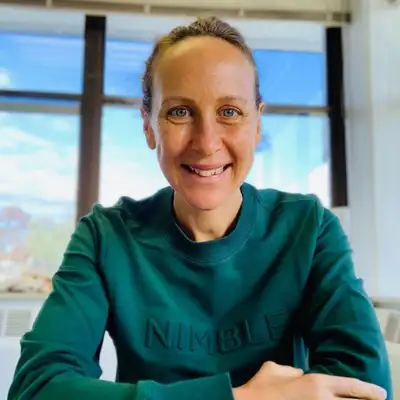
Metabolic Psychiatry: Rethinking Mental Health - Dr Matt Bernstein
00:00
Hey everybody, it's Mikki here. You're listening to Mikkipedia and this week on the podcast I speak to Dr Matt Bernstein. Matt is a physician working in the emerging field of metabolic psychiatry, which explores the connection between brain health, metabolism and mental illness. In this episode, Matt and I discuss how metabolic dysfunction may play a far greater role in mental health.
00:28
than traditionally recognised. Matt explains what metabolic psychiatry actually is, how it differs from conventional psychiatric approaches, and why factors like insulin resistance, inflammation, and mitochondrial dysfunction are now being considered key drivers in conditions such as depression, anxiety, and more severe psychiatric disorders.
00:50
We explore the growing interest in nutritional and metabolic interventions, including dietary strategies like carbohydrate restriction, and how these may influence brain energy, neurotransmitter function, and symptom outcomes. The discussion also touches on where the evidence currently sits, what clinicians should be cautious about, and how to think about integrating these approaches alongside standard care. I think you guys are gonna love this conversation. It is thought-provoking and it does challenge traditional models of mental health
01:20
while offering a more biologically grounded way of understanding and supporting the brain. So Dr. Matt Bernstein is a highly respected clinical psychiatrist and a leading voice in metabolic psychiatry with 25 years of experience helping individuals achieve full mental health and functional recovery. He graduated from Columbia University in English literature and earned his medical degree from the Perelman School of Medicine at the University of Pennsylvania.
01:50
Trained at MGH, McLean, served as chief resident and later held leadership roles including psychiatrist in charge and assistant medical director of the schizophrenia and bipolar inpatient program. He also serves as chief medical officer at Allen-Holme, developing community-based strategies to optimize mental health. For the past five years, Dr. Bernstein has focused on metabolic psychiatry.
02:16
first in his private practice and then at Alan Horn. And we go into some detail about Matt's background here, which is super interesting. More recently, he created a Coords comprehensive program and is sharing his expertise through podcasts, national conferences, and briefings for members of Congress. He co-organized the first public conference on metabolic psychiatry and co-leads a privately funded study evaluating outcomes of the Coords pioneering interventions.
02:45
Matt serves on advisory and non-profit boards including Metabolic Mind, Miru Health, The Metabolic Revolution and The Coalition for Metabolic Health, helping advance the field both clinically and publicly. And I've got links as to where you can find Matt in the show notes. Before we crack on into the interview, I would like to remind you that the best way to support this podcast is to hit the subscribe button on your favorite podcast listening platform. That increases the visibility
03:14
of Micopedia, Inning Months, literally thousands of other podcasts out there. So more people get to hear from guests I have on the show, like Dr Matt Bernstein. All right guys, enjoy this conversation.
03:30
Dr. Matt Bernstein, thank you so much for joining me this morning. I'm really excited to have this conversation in an area which seems to be getting more airtime out in that digital space, social media, and it encompasses a lot of what I'm interested in with regards to metabolic health, mental health, and things like that. So really great to take this opportunity to chat to you this morning. Thanks for having me. Glad to meet you and talk to your audience. Thank you.
04:00
So Matt, can we sort of kick off? For people who have not heard the term in what we're discussing today, what is metabolic psychiatry? What does that actually mean? Yeah, it essentially means that we're really thinking about this strong connection between metabolic health and brain health and how that affects mental health. And so this connection has been known for a very long time.
04:25
But it's only been fairly recently that we are now thinking about it as a way to intervene on the actual symptoms of serious mental illnesses. That's been going on only for about 10 years or so. ah And so it's really the interest in it is growing rapidly because there's been quite a few pilot trials and case series and case reports that have been published. And there are number of randomized controlled clinical trials that are
04:51
currently going on that'll be published in 2026. And there's a lot of buzz because there's now a lot of people, individuals who have completely reversed their serious mental illnesses or significantly benefited from this intervention. And they're telling, they're out there telling their stories out on, you know, on social media and people are hearing about them and saying, wait, I want to have that kind of outcome. want, I want to get with someone with these people have. And so
05:20
There's a lot of people are becoming very interested in this. I think, you to be honest, I think that's partly because the way we manage these serious mental illnesses and traditional psychiatry is really not effective enough at getting people back to their level of functioning. And we're causing a lot of metabolic problems in people who didn't have them necessarily in the first place with some of our medications. Um, and so, you know, people are really looking for something different. Yeah.
05:49
Super interesting. Matt, so you studied rather conventionally as a lot of people in the space have. What drew you to looking at this as an avenue? Was it like a moment? Was it a patient? Can you just talk us through your journey? really interested. Yeah. So I mean, have a deep personal story about this. I I had always been a bit disappointed by the outcomes that we were getting with people with serious mental illnesses. um
06:18
I go back to a book that I read, Anatomy of an Epidemic by Robert Whitaker. Some people may know this. Or there's another one called Mad in America. There's a website called Mad in America that he runs. And it's really very critical about psychiatry. And I actually learned a lot of things from reading that book that I never learned in my training. And they were really mind-opening things. For example, that there are withdrawal symptoms from antipsychotic medications, which at that time,
06:47
which was about 2012, I did not know that. It was really eye-opening. There was really good data about that that he presented in this book. And I started really wondering, what else am I learning about that I need to know? And I really was influenced by that book in terms of really thinking about uh lowering people's medications whenever possible and starting to try to get people off of medications. But what I found is that a lot of times we would hit a wall, that we'd be lowering medications slowly, trying not to have withdrawal symptoms, but then at some point,
07:17
We couldn't keep going down. Their symptoms would come back. They wouldn't feel well and we'd be kind of stuck. And I learned about the ketogenic diet and epilepsy and how it might be applied in serious mental illness in about 2018, 2019, hearing a lecture from Chris Palmer, who I, you had on the podcast at one point, who's really the leader in this. He's, he was doing this, you know, 15, 20 years ago.
07:44
I started publishing around 10 years ago, these incredible case reports of people who had treatment resistant psychotic illnesses or bipolar illness with long-term medication use who had their illnesses completely reversed by a ketogenic diet. And so that really got my attention. And then I started learning about the mechanisms of how much research we have about how this works in the brain. was incredibly impressed by
08:11
The science compared to the science of what we know about how psychiatric medications work. The science on how ketogenic diets work is actually quite a bit more deep and broad in terms of, uh, you know, how it works and, that it's not just, you know, playing around with neurotransmitters. We're actually getting at more fundamental, um, physiology of what's going on in the brain. And that's also, you know, it was really convincing to me. And so this was about, you know, maybe five, six years ago. And I just said,
08:39
I'm going to start trying this in people and see people who are interested and see if they want to try it and see how it works. And then I was just incredibly impressed by how effective it is. And since then, it's been a total convert. I talk about it to everyone I can. Which is great because I think this is the, I guess this is the thing in the nutrition and health space is that so often we are up against ways of doing things which almost feel like they're unbreakable, like, you know, medications, like.
09:09
different ways of eating. you know, it's the same with smoking. We used to think smoking was good for us and it took like 50 years for it to sort of uh shift in the public health paradigm and the social space for it not to be, for it to sort of hit the social stigma that it does now because of the massive health detriments that occurs. Like we need people like you out there talking about things like this. um
09:35
Matt, I am curious though, when you started investigating this, were you talking to your colleagues about it? What was the general vibe amongst your peers? Yeah, I wasn't at first talking to too many people about it. And I knew that the reception was going to be pretty cold amongst most of my peers. Even when I started talking about medication reductions and tapering, the reception was pretty cold from a lot of people. And it's just the way it goes in medicine.
10:05
conservative feel. get trained to think that we understand physiology. And of course, in mental health and psychiatry, that's a bit silly because we really don't know the physiology of these conditions very well at all. ah But nonetheless, part of medical training is coming out of it with an amount of certainty that we understand how to help people. We've been in school for, you
10:30
however many dozens of years. oh And we think we really understand, but oh that's a problem in medicine in general, that the human body is way more complex than we understand, especially the brain, but really all over. And we need to be humble. And especially in mental health, we need to be humble. I think people will be quite surprised to have heard you say that the understanding of the mechanisms have been around for
10:58
forever, not forever, but for a long, time in terms of how a ketogenic diet or how diet can affect the brain compared to what we know about medications, which are sort of a given. I can imagine that that would have been surprising for you to have learned that yourself. Oh, it was. Yeah, that was a huge light bulb moment. again, sitting in that lecture hall listening to Chris Palmer, he was going through a lot of the mechanisms and a lot of the literature on ketogenic diets and epilepsy where we
11:28
it was just how we understand a lot of these mechanisms and then i want you to do a lot of my reading myself and it's just incredible how much we actually do understand and how much of those mechanisms overlap with what we understand about the mechanisms of these major mental illnesses like schizophrenia and bipolar it's really the same mechanisms things like neuro inflammation and mitochondrial dysfunction and brain insulin resistance these are the same mechanisms by which the key to diet works that.
11:57
are also present in people who present with those mental health conditions. And so it really converges. It's all converging, basically. Matt, let's talk about that. So let's talk about the metabolic side of psychiatry. what does that actually mean? Because I don't think people will just naturally connect the dots, I guess. Yeah.
12:23
We as i was alluding to with all these major mental illnesses we know that there is underlying metabolic dysfunction in the brain. ah We know there's mitochondrial dysfunction we know there's insulin resistance in those neurons we know there's information and exos oxidative stress these are essentially you know metabolic problems that the cells are going to an energy crisis. What is also clinical data where we know that someone has.
12:50
a metabolic condition like obesity or diabetes are much more likely to develop a mental health condition. And if they start off with a mental health condition like depression, they're much more likely to go on and develop a metabolic condition. So there's that bi-directional relationship. And so all of this sort of is converging to say that, you know, these mental disorders, these mental conditions are metabolic problems in the brain. That's really what's going on. And then, you know,
13:17
In addition, we may have problems with neurotransmitters, but that's actually downstream from the fundamental problem, which is these metabolic problems. Yeah. And I guess people listening to this might hear you talk about depression and um increasing body weight and sort of metabolic problems and think people who depressed are just going to be eating more sugar. They're going to be eating more processed food. They're likely not to exercise. So there's not a direct sort of cause and effect there. Yeah. What would you say to that?
13:46
Yeah, these are correlations. That's right. But the correlations go the other direction too, um as I was saying. And then there's this one longitudinal study that's really interesting. um This was published in JAMA Psychiatry, a very good journal. They followed kids from childhood all the way into young adulthood, and they were getting metabolic measurements as well as mental health measurements. And they found that the kids were at the most risk metabolically in their childhood. So they had, you
14:15
measures of insulin resistance at age nine. The ones at the highest, I think it was quartile or quintile of insulin resistance at age nine had a five-fold increased risk of psychosis in their 20s. So that's, again, it's correlation, but it's looking like a time correlation that almost is starting to look like causation there. ah And then, you know, we have the epilepsy literature too, where we see, you know, these metabolic interventions
14:44
dramatically improving a serious brain condition, epilepsy, and we've known that now for over 100 years. ah And so, yes, I mean, we don't have rock solid cause and effect science, but there's so much uh overlapping mechanistic work and some of it's in humans, some of it's in animal models, it just is all converging in the same direction. Yeah, and I will say, you you mentioned about that sort of insulin resistance of the brain and
15:12
and things like that. And I think it's important to remember, I guess, that your body isn't, like your head isn't siloed from your body. know, like if you've got like things like inflammation and things like insulin resistance are systemic. So it does make sense that it's going to impact the brain as well. I was at the metabolic health summit in 22 and heard it was either Chris Palmer or it was Eric, you all know.
15:42
No, another Eric actually. Yeah, I want to say top off, I don't think it's... Anyway, I'll remember. He was talking about epilepsy. I'd love for you to chat about the mechanism. The curious or the super interesting thing that I got from his talk was, you mentioned it earlier actually, Matt, that the brain fundamentally changes. And it might not be the case for everyone, but in certain cases, you get these...
16:12
these shifts in brain chemistry, which actually do change how that brain functions. And he mentioned a six-month-old child having the seizures every second and how the brain changed. So anyway, fascinating. Can you chat to us about that sort of mechanism, what's going on? Sure. Yeah. And it's Eric Kossoff. Thank you. He's one of the leading publishers in the field of ketogenic diets and epilepsy.
16:40
I wrote a couple of books as well. um Yeah, so in the epilepsy world, there's now 13 randomized controlled trials of ketogenic diet working in treatment resistant epilepsy. we're not just talking about de novo epilepsy. We're talking about people who have failed sometimes five, eight, 10, 12 anti-epileptic medications. Usually they're on three medications at a time and they're still having seizures. And so the ketogenic diet works
17:09
50 % of the time in people who have completely failed all of those treatments to provide a very significant benefit. Some people get a benefit that's so profound where they stop having seizures at all and they can come off all of their anti-seizure medications. And then even more fascinating is some of those who are children can be on the ketogenic diet for a few years and come off the diet and still retain all of the seizure control they had while they were on the diet. So their brain has...
17:37
completely now changed to not being an epileptic brain anymore. ah So this is pretty incredible. And again, we don't know exactly why some people have such a better response than others. We do think that the brain can be insulin resistant even when the rest of the body is not insulin resistant. ah And so that may explain why in kids who are probably not insulin resistant in their blood work could have this incredibly powerful and quick response to a ketogenic diet.
18:07
But there's other mechanisms. also know that the ketogenic diets improving mitochondrial uh number and health. they, you we will recycle the old damaged mitochondria and make new ones and create, you know, brand new ones de novo. So, you know, we have these incredibly important powerhouses of the cell making ATP, but the mitochondria we now know do many, many other things in neurons besides uh making energy there. The first step in
18:35
the production of hormones, they're there to resolve inflammation, they are involved in releasing neurotransmitters and you know, so you know, actually gene transcription in the nucleus is sometimes controlled by the mitochondria. So, you know, there's these, they're almost like these little CEOs of the cell, they're in charge of so many things. And so when we improve mitochondrial health, we're just going to improve the functioning of every single one of those neurons. And so we're really, you know, changing the overall functioning of that brain.
19:04
overtime you know again doesn't all the benefits don't happen in the first few weeks ah and so that's partly how we explain that in the first few weeks we're bypassing that brain insulin resistance getting this alternative source of fuel ah that's very quick and we sometimes see some quick response but you know the benefits we get from a key check diet are cumulative over months and months and months.
19:28
And I see people improve more in the second six months than they did in the first six months sometimes. And sometimes they're getting even better in the second year than they did in the first year if people keep going with it. Yeah, it's interesting with that. um I speak to lot of athletes and have a lot of very good friends who have over the course of their life, like endurance athletes who have used the ketogenic diet or a ketogenic state, if you like.
19:57
because they can get into ketogenesis easily because they're depleting their glycogen. And it's their experience that actually they have continued to see benefits years after doing it, like two or three years in, despite the fact that people talk about the changes that occur in a very short sort of acute length of time. it's interesting that in this, interesting in maybe...
20:23
Maybe it's not that surprising actually that it's the same with things like our brain and other health conditions. Yeah. Yeah. I think we, I think, you know, it's not, and it's not something we see in standard psychiatric treatment. I can't say that about medications that, know, what you, what you get after the response is kind of what you're going to get. You're not going to keep getting more response from that medication in month six or month 12 or year two. That doesn't happen in medication treatment.
20:51
It can happen in psychotherapy. If someone's in a really good psychotherapy, you can keep getting benefits month after month or even year after year. Matt, with regards to, you mentioned that, know, a ketogenic diet, and of course we'll move on to the more psychiatric conditions, but I'm curious, is your thought here, is it just people who do not respond to medication, respond more favorably to a ketogenic diet, or if someone has epilepsy and they're actually well controlled on a medication?
21:20
Is it benefit to them trying a ketogenic diet? I'm not sure. You know, it's interesting because I don't think that happens very often. You know, in the neurology world, in the epilepsy world, my understanding is that this only gets offered to people after they have failed many medications. And, you know, that's one of my concerns in psychiatry actually, that, even when we get the randomized controlled trials and we know that this is a very effective treatment.
21:47
People are still not gonna know about it and they're not gonna hear about it from their doctor until they fail you know six or seven anti-psychotic medications when in fact that you know that doesn't make a lot of sense these you know these diets are much safer than anti-psychotic medication i would say much safer than anti-epileptic medications as well why should we be waiting to offer the diet safer diet option until after people fail more risky medication options you know that that's me putting the you know.
22:16
putting things backwards. makes these medications risky? Well, it depends on which ones we're talking about. But if we talk about antipsychotic medications, those are probably the riskiest. So we can start there. ah They have really profound metabolic effects, especially the newer ones. uh Second generation antipsychotics cause obesity. They cause diabetes, ah insulin resistance, of course. ah They cause metabolic syndrome.
22:46
um in many people. um And so it's not unusual to see someone get put on one of these medications on, because they had a manic psychotic episode, they're on an inpatient unit. In the two weeks that they're on the inpatient unit, they've already gained 15 pounds. over the course of the next year, they may gain a total of 50 or 60 pounds. And in the second year, another 30 pounds. This is not unusual at all.
23:15
and their blood work becomes an absolute mess. Like I said, with dyslipidemia and rising hemoglobin A1Cs and ah visceral fat if you do a body composition, all of that is very common with a lot of these medications. And it occurs with mood stabilizers too. There's even a signal with antidepressants about weight gain and metabolic problems. But the worst offenders are the antipsychotic medication. Matt, what's happening? uh
23:43
unlike are these people just eating more? driven to changing their brain chemistry and they're driven to consume more food or is that something else? A lot of it is driven by appetite and eating more. uh People find that they're hungry all the time when they're taking these medications, they lose their satiety process and their hypothalamus. uh
24:10
We don't know the exact, mean, it hasn't been studied well enough. We don't know, is it a leptin issue? I don't think we actually know the answer. We know that people eat more. We know people become more sedentary. Because these medications are also sedating, so they're much less likely to exercise. And so it just sets off a pattern of more eating, less exercise, and it becomes, of course, harder to exercise. And people are on that vicious cycle again of waking.
24:39
It's interesting because when I was preparing for this interview, I came across some information that looked at how the life expectancy of people who have these, but on these medications who have these conditions is like astoundingly shorter than a usual life expectancy. Can we chat about, I mean, it makes sense given what you're telling me about the metabolic health aspect. Absolutely. Yeah. So that is true.
25:04
The life expectancy if you have one of these serious mental illnesses, schizophrenia, bipolar disorder, uh schizoaffective disorder is 15 to 20 years shorter on average and that's been seen in multiple studies. So that's completely accepted information at this point. The part that's tricky is exactly what's causing it. So as we were alluding to these conditions themselves are likely due to an underlying problem in
25:33
metabolism to some extent. So people are probably are vulnerable to a metabolic problem. Then they start down a road of having metabolic problems for many people that manifest in a big way in a serious mental illness. um And then we put them on these medications that absolutely worsen their metabolic condition. So all of that is at play. And then finally, the other piece is that people with these serious mental illnesses don't get taken care of well in the general medical system either.
26:01
They don't tend to go to the doctor. They don't get their blood work. People don't treat their medical conditions as seriously. They sort of dismiss them. And that's a factor too. So exactly how much the medications are part of that 15 to 20 year reduction, we don't know for sure. um But it's a big part, I think. Suicide is a part of the reduction in lifespan, but it's actually very small compared to these cardio metabolic problems. That's really the
26:31
main issue with the reduction in lifespan. Yeah, super interesting. Matt, can we check anecdotally before we just sort of scope the literature on this, like when you started using it in your clinic, like how open were your patients to adopting it? And actually, did you try it? how did your, I'm curious as to your own personal sort of, I imagine you would have like gone, man, if I'm getting my clients or my patients to do this, I need to try it as well.
26:59
Absolutely. Yeah. Before I recommended to anyone, thought I need to see how hard this is. I don't want to start recommending something to my clients where they're going to say, is too hard. I want to be able to say, no, actually you can do it. I know how to do it. I'll teach you how to do it. ah So I did put myself on it first and I'm still in ketosis more than five and a half years later. And I'm one of those people I think that still is getting benefits from it.
27:29
Um, and then, you know, I did start talking to people about it and, I was super excited. They were sometimes looking at me like, what happened to you? know, what did you drop body weight? it like, how did it sort of, how did it change for you? Like what was, Well, I mean, think they were wondering why I was talking to them about nutrition so much and exercise, you know, like, you know, this is kind of new. Um, um,
27:55
But yeah, did lose, I definitely was insulin resistant. Yeah, I never had my insulin checked, which is a big problem. You know, in medicine in general, no one's checked fasting insulin levels when it's cheap and incredibly important and informative. No one was ever checking mine, but in retrospect, I know I was insulin resistant because I used to have to eat every few hours to keep my brain working at work. And, I knew I needed, you know, sugar. needed, I would eat, I was like a fruit, you know, lover. I would eat fruit all day.
28:25
Yeah, I thought it was so healthy. ah I was absolutely insulin resistant. I'm sure I had visceral fat because I lost a lot of weight around my waist. I started to much more um capacity for exercise. I always loved exercising and playing sports, but all of a sudden I was like, I can do more than I could do 10 years ago. What is going on here? And so, yeah, I mean, was very sold.
28:53
And then I, like I said, I said, you know, I started talking to people about it. Some of them were looking at me like, where's this coming from? And I would explain everything that I've been talking about today. And I could convince a few people to try it. And, you know, it was saw some absolutely incredible results. Some people even without getting all the way into ketosis just by working on metabolic health through some time restricted eating, maybe some MCT oil during their fasting period, getting them exercising.
29:22
cutting out processed foods and sugar, that alone can be very impactful in someone who's metabolically having problems. And then some people kept going, let's go all the way to ketosis and then we'd get even more benefits. Yeah. Matt, I'm interested, this is a bit of a side tangent, but of course, a lot of the conversations these days are around GLP-1s and peptides.
29:51
And if someone is, let's say, on a medication, um like on a psychiatric medication and experiencing a lot of that sort of um unable to satisfy their hunger, like, is there a case for dual use? you, like, have you done that in your practice? Yeah. Yeah. There's absolutely a case for it. um You know, at the same time that I was starting this work on metabolism, ketogenic diets,
30:17
you know, these medications were hitting for weight loss. ah you know, I was seeing people get put on them by their general practitioners, and was very impressed by how it was effectively, you know, curbing their appetite, helping them lose weight that they had gained, you know, some of them had gained, you know, 80, 100 pounds over the years on these medications. And, you know, it's pretty impressed. ah I still think that the diet approach is much better for the brain. And there's, I the point
30:47
reasons for that. ah But there are some studies now showing that people with serious mental illness who've gained a lot of weight, it is safe to put them on GLP-1s and effective. you know, unfortunately, a lot of psychiatrists are not comfortable using these medications, at least around where I practice. You know, they sort of see it as that's a separate that we work on the mind and the brain, they work on the body kind of dichotomy. But the reality is that, you know,
31:16
psychiatrists are inducing these problems in metabolism and in weight and you know, you know, all of this stuff. So I think we ought to be actually comfortable prescribing these medications. And then more recently, I've used them also to help people get into, you know, lifestyle changes, people who want to do people who want to go into ketosis, but are just absolutely, you know, addicted to sugar. um And
31:44
processed foods and just are having a really hard time dealing with those cravings. They're just really hard to deal with. Cravings are really fascinating. Food cravings are really deep in a brain level, but also in an emotional level for people. And they can be very hard to change. And these medications can be a nice tool to bridge people over into ketogenic diet and exercise. And then with the goal of tapering off the medication,
32:13
We usually don't need to put people on the full doses to get that kind of bridging effect. And I'm a big fan of using them in those situations with the goal of hopefully getting people off of them eventually. Yeah. And that's how I was thinking about it as well, like giving people that opportunity to make the diet change that they're trying to make. They're unable to overcome it for sure. Because I imagine with, well, in a GOP one, if you're not eating, then that's going to make
32:43
getting into ketosis just that little bit easier. That's right. And actually, Matt, can we chat about the type of ketogenic diet? Because you've got the classical ketogenic diet for epilepsy. You've got the modified ketogenic diet, which may be used now in epilepsy. What is the type of ketogenic diet that you, in practice, use? Yeah, I mean, we kind of think about it in terms of ratios. that's ratios of fat compared to
33:12
protein and carbohydrates combined. um And uh we want to make sure people are getting enough protein, but it can't be a very high protein diet because we're really looking for a ratio of at least 1.5 to 1 fat compared to protein and carbs. so the carbohydrate uh levels end up being depends on how much someone's exercising, I have to say. If they're exercising a lot, they can take in more carbohydrate and still
33:40
being ketosis as you were alluding to before. But often for people who are not exercising a lot, they may be down around 20 grams of net carbs per day. um You know, we try to get about 1.2 grams per kilograms of protein per day and then the remainder is fat. And so they end up getting quite a bit more calories from fat, usually, you know, about 65, 70 % of their calories from fat. And so the quality of the fat matters.
34:08
The quality of the carbohydrates matter. We want to get things that are high in fiber and the polyphenols that really support all the healing. And then quality of protein matters too. If you're not going to eat a super high protein diet, you really want to eat quality protein as well. In my view, if someone's willing to eat animal protein, animal protein is the best for muscle building and health in this context.
34:38
Yeah. Yeah. Yeah, for sure. And you mentioned uh MCT oil, medium chain triglycerides. Yeah. Yeah. Other supplements or anything that you sort of go along with your ketogenic approach? Yeah. There's a lot of useful supplements. depending on how much fish someone's eating, ah we want to maybe supplement with omega-3 fatty acids. They're really good data on omega-3s and brain health.
35:07
We really want to make sure people are getting enough. So that can be a supplement we'll use. We often check um carnitine levels and if they're going low, because we're using more carnitine on a ketogenic diet, they sometimes go low, we'll replete with carnitine. We want to make sure someone's vitamin D is in a good range. um Magnesium is very useful too for bowels, but also for muscle relaxation, for sleep, for brain health. um
35:36
making sure people are getting enough electrolytes and minerals is really important too, um in general. um And then of course, creatine is a favorite these days from a lot of people. There's so much research coming out about creatine in the brain now too, tend to have to use higher doses then for uh exercise, more in the 15 grams a day. And if someone tolerates creatine, that's a great one to add on too. Yeah, yeah. Amazing. Matt, in terms of
36:06
Obviously you've got ketone supplements and things like that out there. Do you ever use them as an adjunct to your work and what do we know about how impactful they might be in helping? Yeah, so you can raise someone's ketone levels for a few hours by taking these ketone supplements. It's really not the same thing as being on a ketogenic diet though. um You get some of the benefits in that ketones are a signaling molecule in the brain. We were talking about improving the
36:34
quality and the number of mitochondria, you may get some of that benefit just from ketones signaling to the brain. Ketones may also signal to make more BDNF, even if you're taking them in supplement form, brain-derived neurotrophic factor, which is one of the mechanisms. But you're not going to get all of these benefits, this continuous source of alternative fuel that ketones provide if you're taking it as a supplement. You're not going to get that overall reversal of insulin resistance.
37:03
you're going to get from being on a ketogenic diet. So you can get some benefits from ketone supplements, but you don't get the whole package like you do with the diet. Yeah. Yeah. No, that makes sense. I imagine that some of the shifts, the favorable shifts might come from, I don't know, for some people, if they're losing weight, then it might come from that calorie deficit perspective as well that you're not necessarily going to get with a ketone supplement.
37:32
at the same time. Yeah, mean, could use, mean, ostensibly you could use a ketone supplement to do some fasting and weight loss, sort of similar to how I was talking about with the MCT. You know, if someone, let's say, you know, is overweight, they want to lose weight, they want to make a little bit of ketones, you know, if we can get them to fast for 16 or 18 hours, and then, you know, when they wake up in the morning, have some MCT or I suppose you could do the same thing with a ketogenic supplement.
38:01
You know that's going to keep their hunger at bay is going to give them some brain energy and some muscle energy to get them through to their first meal which could be at noon or one or so. It's a nice strategy as a way to get people jump started who say you know this all sounds too much for me I'm not sure I can change everything of what I'm eating but they want to make some change and interestingly when you do that people will make some ketones because even from MCT if you're in a
38:29
fast and safe, all of that will go to ketones and they'll feel it. They'll say, I really felt something there. then you know their brain is insulin resistant because if someone feels an immediate benefit from having some ketones, uh they're bypassing some insulin resistance in their brain and providing some energy that wasn't there before. And that's a sure sign that they would benefit from keep going with this.
38:57
That is interesting, actually. this is a bit of a side tangent, but it's brain related. I talk to a lot of people about brain fog, particularly in the perimenopause space. And as we head into perimenopause, just from a carbohydrate tolerance perspective, that does reduce. It's individuals to the extent, but estrogen being that insulin sensitizing hormone. And one of the things we chat about is putting in some MCT oil.
39:27
of its ability to produce ketones. Matt, do you see a difference between MCT oil versus MCT powder? Because I know a lot of the powders have a fiber attached to them. What's your professional opinion there? ah I don't use the powders as much um in clients. We generally use the oil these days. And that's kind more the standard in this sort of metabolic psychiatry, metabolic brain health space. Typically, we're using the
39:54
the oil, not the powder, but I don't see any problem with using the powder. I mean, I think in the end, you're still ingesting MCT, which is gonna pretty rapidly be converted to ketones in the liver. So I wouldn't think there would be any much of a difference. Yeah. Okay. Oh, that's good to know because the powder is much more palatable. When you put it in your coffee, it's nicer. That's right. Yeah. and are you trying, are you, in your clinic, are you trying to achieve a
40:24
blood ketone reading or like how important is that? Cause I know that is variable from people to people, person to person. It is, it is. Well, yeah, we were learning more and more about this, but we really do think the level of ketosis matters in some of the pilot trials. We definitely see a dose response effect. Um, like in the Stanford study, Dr. Shabani Sethi study, um, they saw that people who are more adherent to the diet had much better outcomes. Um,
40:54
And then there's another study from University of Edinburgh where they also had a pilot trial in people with only bipolar disorder where they also, they were actually measuring uh ketone levels and comparing it to outcomes where they, things like increased energy and increased mood correlated with higher ketones, also lower anxiety and lower impulsivity correlated with higher ketones. And so
41:18
And we see that clinically all the time that the deeper ketosis for many people, the better they do. ah And so we technically call therapeutic ketosis anything above 0.5 beta hydroxybutyrate. ah But for a more serious mental health condition, I really like to see the numbers higher than that. And then here's the complicated part. They really vary throughout the day.
41:43
And so, you know, so I'm talking about these numbers as if they're like static numbers, but they're fluctuating up and down all day. And we've had a few people get their hands on some continuous ketone monitors and the range throughout one 24 hour period, I saw someone's range go from pretty typically about 0.3 or 0.4 in the first thing in the morning when he was having his wake up and cortisol effect. And then in the middle of the night, they would get all the way up to about 4.5.
42:13
It was a ten-fold difference in a 24-hour period. it really taught me that we can't make too much of any one number and we're kind of trying to guess what the curve looks like and we're thinking about the area under the curve that we really can't quite see if we're only getting one reading a day. But we also know that if someone exercises, they come back, their ketones will be very much suppressed from about an exercise for the first hour or two and then they'll shoot back up again.
42:43
Because we just used up all that fuel essentially the body was using all the fuel it could get and it takes a while So what we're measuring in the blood is what's it's the amount of ketones that were made that were unused and so it's a dynamic process We're making them and using them all the time. So it's complicated, but it really does matter I think that in the end when we all have continuous ketone monitors and when we're doing this we're gonna learn a lot more about exactly You know how much ketosis you need throughout a week?
43:12
to get a benefit, that kind of thing. Yeah. Yeah, interesting. To your point about how ketones are unused fuel in the blood, because I think back in the day, we used to think the higher, people would be chasing, this is general population who were interested in ketogenic diet, were trying to chase a ketone number, but the longer they tended to go, the lower the number appeared to be in their bloodstream. And it's interesting what you say about the exercise, because of course exercise,
43:42
know, would deplete glycogen, someone might expect it to, you know, raise ketones immediately, but there's that suppression effect because we've used them, of course. That's right. That's right. Yeah. And what you were alluding to, I think is true that someone who's been on it a long time, you know, a couple of years becomes more efficient at using their ketones, but not everyone has their ketone numbers drop. I mean, I was just talking to someone who's been doing this for two years.
44:11
for therapeutic reasons for her bipolar and she's getting numbers still up in the three range, three to four when she's measuring in the evening. And she's exercising, I think it's different for different people. And ah some people I think there could be an effect where eventually their numbers go down, but I think when that's happening, you should always double check and make sure. uh Are they up at any point during the day? uh
44:39
Am I really following the program? If I tighten it up more, are they gonna go up? Do I feel better if I tighten up more and they go up? I I think it's always something to look at, especially if you're using it for medical reasons. If you're using it for more just general health reasons, sort of like the way I am, I don't worry as much about my ketone levels and I'm okay with them going down sometimes and going up sometimes ah because I'm not using it to treat a specific illness. So there is a difference, I think, if you're doing it more for general health and
45:10
size performance or brain performance versus if you're doing it to treat an illness. Yeah, that makes perfect sense. Matt, you mentioned a couple of research trials, which I think people will be interested to know a little bit more about. you able just to give us, and in fact, you started the conversation by saying there are now more clinical trials coming out. Can you give us some highlights of some of these studies, like the...
45:36
the Stanford pilot study from 24, for example. Yeah, yeah, so that's Dr. Shabani Sethi, who actually coined the term metabolic psychiatry. was her invention. uh And she, was a pilot trial, so it did not have a control group. uh 16 people with pretty severe bipolar, five people with schizophrenia, who all were on medication and stayed on their medication. They were put on a ketogenic diet for four months and they were not
46:04
given all the food, that's also important that people think, oh, it's a trial, so they're getting all the food. But they would often get food in the beginning in most of these trials and then were taught how to do it, and they were able to do it on their own. 96 % of the people in that trial achieved ketosis. Is that 0.5? No. Yeah, think that's how they were defining it. I can't remember for sure, but that's probably right. And the 14 people of the 21 who had full adherence to
46:34
to the diet and the program had a complete remission of their psychiatric condition. um There was a brief psychotic rating scale, which is a standard rating scale for psychosis, where there was an average 32 % reduction, which is really good in four months. But they all had um metabolic benefits too. So there's a 10 % average weight loss in four months, which is really good. 11 % reduction in waist circumference. um
47:04
And then there were, think, about six people who had full-blown metabolic syndrome, all of whom had that reverse during the trial. So, you know, really nice lockstep improvements in mental health and metabolic health at the same time in a short period of time. uh And that was done in an adjunctive way. So they were just having it on to their regular treatment. And that's obviously not the only trial that has been done. Yeah.
47:32
Yeah, yeah. Do you want to check to me about like another trial? I mean, we talked a little bit about the University of Edinburgh one already, but the other one that I really like to talk about is this one from uh Albert Denon and colleagues from France. It was an inpatient unit. And, you know, he was an inpatient psychiatrist for decades and he learned about the ketogenic diet for brain health. I think he had a personal experience, is my understanding, where he put his
47:59
nephew on it who had autism and I think seizures and had a dramatic improvement and he said, all right, I'm just gonna start putting people who come to my inpatient unit on a ketogenic diet. I'm gonna make a protocol. They can choose to be in it. If they're in it, they're gonna eat ketogenic. And then we're gonna do all these measures and they were measuring all these rating scales and they had incredible improvements uh on an inpatient. These are people with really, really severe.
48:26
psychiatric conditions, people who are constantly going in and out of hospitals. So they had a lot of improvement to make essentially. They were having lots of symptoms despite being on all these medications. uh the reductions in symptoms on these rating scales were absolutely huge. uh things like the Hamilton Depression Scale, Montgomery Asperg Depression Scale, something called the PANS, which is a psychosis scale.
48:56
and then something called a CGI, which is just a clinical global impression from a clinician. And the improvements, the effect sizes on all those rating scales were above three, which for people who don't understand what that is, it's just a statistical measure of how much improvement you're getting. so antidepressants, the typical effect size, which they measure as a Cohen's D, is about 0.3 to 0.35. So these were...
49:24
you know, more than 10 times uh the effect sizes that you get from an antidepressant in a randomized controlled trial. So again, this was not a controlled trial, but these people all had metabolic benefits and they all, many of them were reduced on their psychiatric medications during this time as well. And that may account for why he was getting so much improvement because we see this clinically that some people, you know, they get some benefit from being ketosis while they're on their regular dose of medication.
49:53
They get much more improvement when we start lowering their medication. ah And again, needs to be done carefully by a physician or a prescriber who understands how to lower medication safely. And I don't want people out there lowering their medication on their own from what I'm saying. But we do see that in practice that we get even more benefits for certain people when we start going down on their medication. And so when we see effect sizes like that, it
50:21
it gets my attention because I've been doing this for 25 years and you just don't see those kind of improvements with any medication or any other treatment in these conditions. And so, you know, that's just really impressive. Yeah. Yeah. And I imagine that, you know, if we're thinking about the trials, these are small trials and they're pilot trials and it's very difficult to run a trial on a ketogenic diet of the same scale that you can
50:50
in the trials that are done in the medication sort of space. So, I mean, people will be skeptical. They'll be like, these are tiny trials. mean, does this even really hold a candle to that regardless of the effect size? Yeah, no. And I understand that skepticism and have a few ways to respond to that. I mean, number one, there are randomized controlled trials of this diet, this happening right now. So, and like I said, some of them are going to be published
51:19
One of them was from Australia with people with schizophrenia, and it's a bigger trial. there's a control group, randomized, blinded. this is coming out later this year. And I've talked to the investigators. I know that that is a very positive result. talking about an unpublished thing, obviously I shouldn't be doing that. But on the other hand, like, you
51:46
The studies are coming so people, if they want to wait, they can wait. um But the reality is that um we're getting these signals from pilot trials from multiple independent groups all around the world. And so you don't typically see that if there's not really something going on, number one. um Number two, there's all this mechanistic work. The mechanisms are really coherent. And we're also seeing in these pilot trials um
52:14
a signal of some dose response effects from being from ketones themselves. So that's interesting too, I think, and should get people's attention. But even the most important argument by far, I think is that what are we comparing this to? We're comparing this to treatment as usual, which for many, many people is woefully ineffective and not safe.
52:42
We're talking about treatments that are causing people to have severe metabolic illnesses that are going to shorten their lifespan. um So it's one thing if we're comparing a new treatment to something that already exists that's safe and effective. These are terms that people throw around. oh We have treatments that are safe and effective. Well, I would argue in people with serious mental illness, we really can't say with confidence that we have treatments that are safe and effective.
53:11
You know, I see people all the time are put on, you know, four or five different psychiatric medications. Like I said, they've gained all that weight and they're still having symptoms. They have serious disability. They're not able to get back to work. They're not able to have the relationships. They're not able even to live independently. Many of these folks, this is not effective. Um, and so, you know, people are looking for something and we have something here that has a hundred year track record in medicine being safe.
53:41
We know exactly what the risks are and how to deal with them. um It makes sense to me to offer this as an option to people at this point. I don't think we need randomized control trials to offer it as an option. Yeah, no, I am absolutely with you. And to your point on the number of smaller trials that are consistently showing the same.
54:04
uh similar results. At some point, someone's going to put that into some sort of meta-regression. That'll end up being that big trial that people are waiting for. Yeah. And I would say the other thing that if people are interested in seeing, you can go on to websites like Metabolic Mind. And there are dozens and dozens of people talking about their life changing for the better. I have now treated dozens and dozens of people whose lives have changed for the better.
54:34
as have the other clinicians who do this work. And we're talking about hundreds and hundreds and hundreds of people who are completely turning their life around here. Most of that is not published. But you see dozens of case reports and pilot trials, you know there are hundreds of people behind the scenes who are also getting these treatments and benefiting who just it's not published yet. yeah. That's such a good point.
55:04
Matt, this is a bit of a tangent actually, but the other thing that is occurring out in the world are just the proliferation of diagnoses for ADHD in adults. This wasn't really on my agenda to chat to you about, but I am really curious. Would something like ketogenic diet have any validation or any sort of use in people who have just been diagnosed with ADHD? So not a lot of
55:33
published literature on this. However, it is universal in my experience that anyone who gets into ketosis has a brain that is cognitively better. You know, they will report improvements in their attention, their focus, their memory, all of it gets better when you're in ketosis. And so if someone's out there who has ADHD who says, you know, the doctor offered me a stimulant, I tried it and like it, or I don't even want to try, I don't want to get near that stuff.
56:03
I want something else, we know what will help their brain. mean, they just, you know, and it doesn't even need to be a high level of ketones. For someone with ADHD, I would be very confident to say, you know, take a look at your metabolic health, see what can be improved, you know, cut out sugar, cut out processed foods, do some fasting, you know, have some MCT oil and exercise. And I can guarantee you your ADHD will be.
56:30
significantly better if you do all those things. And if you're already doing all those things and you still have ADHD symptoms, go on a ketogenic diet. Yeah. To your point, you've got nothing to lose. And you know, one of the things that really grinds my gears, Matt, is when people talk about the ketogenic diet. And one of the biggest things I hear is like, oh, it's so hard to adhere to. Are other health professionals talking about a ketogenic diet? And I'm like...
56:55
I mean, have you even tried it? It's not that hard. It is not that hard. know, like if, yeah, the way it's sold is terrible. can feel hard at first. I mean, I sympathize with someone especially who's addicted to carbohydrates. It can feel very hard. People who have, you know, comfort foods that they're really attached to, you know, feeling like trying to find some other version of that or giving that up, it can feel very hard for people. I understand that and sympathize. On the other hand,
57:24
once you're feeling so much better, it doesn't feel hard anymore. And so I just, that's the, that's my retort to that is like, yes, it feels hard when you don't feel any benefits, but if you do it long enough to feel the benefits, then you can decide if you, if you feel like it's that hard anymore. Um, you know, first, first feel how good you're going to feel and then, and then you can compare, know, completely. And it's more sort of in that health professional space where I hear other health professionals, um, um, talk about it.
57:53
Oh, that's true. Yeah, I mean, think it's one of the arguments that people make that, you know, especially in this people with serious mental illness space is, oh, people with those conditions could never do that. And these trials, these pilot trials, one of the main things they're showing is that that's absolutely not true. That, you know, with the right amount of support, people with these chronic serious conditions absolutely can do that. Yeah, yeah, 100 % agree. Matt, is there anyone like, just finally, like if I'm thinking about
58:23
and people who may be interested in it and their interest has peaked, are there any groups where it would be contraindicated to try a ketogenic diet? Yeah, I mean, there are certain medical conditions where we would be concerned. So there are inborn errors of metabolism that make it impossible to do a ketogenic diet or even dangerous. However, if it's an adult,
58:52
you would know about that by now. So that's usually not an issue. um If someone has really low weight from anorexia and their anorexia is still active, that's concerning because people can lose some weight on a ketogenic diet. However, there are some really good, there's one pilot trial and some really good randomized control trials going on right now in anorexia that are also really looking good. So it seems like ketogenic diets are actually very good for anorexia.
59:21
We just have to worry if someone's already at a really low weight. They have no more weight to lose, essentially, it would be concerning. If someone has active gallbladder disease or active pancreatitis, we'd be worried. But if someone's had their gallbladder removed, for example, we can do it. And if their pancreatitis is not active right now, we can do it. The other thing that people have to keep in mind is that if they're on
59:49
If they already have diabetes or if they're on blood pressure medication, diabetes medication, they're not going to need those medications in the same doses or possibly at all while they're in ketosis. And so they really need to be careful about titrating down their medication with their health professional in a timely way because as you get into ketosis, your blood pressure gets better, your diabetes gets better very quickly. And so you need all those medications that are trying to lower your blood sugar or lower your blood pressure. Yeah.
01:00:18
Yeah, no, makes perfect sense. Matt, super fascinating topic, and it must be so rewarding to see the shifts in the changes in your patients when they adopt something like this. For those interested in learning more about you, more about the work that your team does at Accord, can you give just, can you let people know where they can find you and how to find out more information? Yeah, so people can come to our website.
01:00:46
which is accordmh.com, A-C-C-O-R-D-M-H.com. We have a nice blog section that has a few uh nice written things, but also a few videos on there if people want to watch some things on there and links to other places. And if you want to find me directly, they can find me on LinkedIn. I'm otherwise not too active on social media, but ah I am on LinkedIn. So if you want to reach out to me directly there, they can. Nice.
01:01:14
Thank you, Matt. I'll pop links to those places in the show notes. Thank you so much for your time this morning. I think you've given anyone listening who's interested in brain health something to really think about. So I appreciate it. Thanks, Matt. Thanks for having me.
01:01:41
already, hopefully you enjoyed that and I just think this is such a fascinating area of which there are some small clinical trials and the research is continuing to emerge so watch this space because it's super interesting to see where it's going to head in the next five or ten years. Next week on the podcast guys I speak to returning guest and one of the best humans I know, Michelle Matangi. Until then though you can catch me over on
01:02:11
Instagram thread and X @mikkiwilliden Facebook @mikkiwillidennutrition or head to my website mikkiwilliden.com and book a one-on-one call with me there all right guys you have the best week see you later