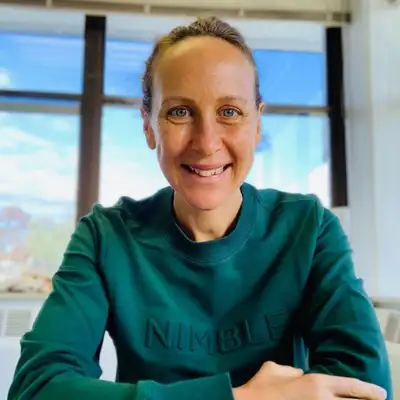
Michelle Matangi - Why Fat Loss Is More Than Food
00:00
you
00:03
Hey everyone, it's Mikki here. You're listening to Mikkipedia and this week on the podcast, I am stoked to bring to you the discussion that I have with Michelle Martini, who is a dear friend of mine and a returning guest. She's been on a couple of times now and she is absolutely my go-to when it comes to all things food, mindset, accountability around this whole area.
00:32
body image, self image, all of it. Transformation, we talk about it all. And this is a special episode with Michelle as it was originally part of the Mondays Meta curriculum because I invite Michelle every round to come and do a session with the members around these exact topics because it's something I see so many people struggle with. And as part of that call, Michelle talked about not only some of the member generated questions,
01:01
as we grouped them in together to some specific themes, but she also updates us on her own journey about her health and wellbeing. This is something she's very transparent about and it is just so helpful, I think, for anyone listening. And Michelle was really happy for me to share this with a wider audience. So for those of you unfamiliar, I will link the previous episodes with Michelle on the show notes.
01:26
Michelle is a health and life coach in Taranaki who has helped hundreds of people redefine their relationship with food and themselves using strategies that she has perfected over two decades of understanding this for herself. And part of this is not always having the answers or implementing best laid plans, but having grace and acceptance when that isn't possible. And this is a good theme or a big theme, part of what we discuss here today. So I have links as to where you can find Michelle.
01:55
on Instagram and over on her website and that is michellmatangi.com and Michelle Matangi all one word on Instagram but again go to the show notes so you can hook into it and um I really think you're gonna love this episode. Before we crack on into the interview though two things one I have my Mastering Maintenance webinar coming up this Sunday
02:23
21st of June, New Zealand time, 2pm. It is recorded if you can't make it live. And we are talking about all of this and more evidence-based strategies to help you maintain your progress with the weight that you have lost. So this is for anyone if you're currently losing weight, you have just come off a weight fat loss phase, or you are contemplating going on, but of course your mind is gone straight to, what about the diet after the diet?
02:53
This is the webinar for you. So as I said, it is recorded. If you can't make it live, we are going through the foods you want to be eating, the strategies you want to employ on a daily, weekly and monthly basis, eating out, what is it about the weight rebound, what exercise components you need to consider, all of it. So I would love to see you there. I have a link in the show notes to that as well. That is this coming Sunday. All right, guys, the next thing of course is,
03:22
Best way to support this podcast is to hit the subscribe button on your favourite podcast listening platform. This increases the visibility of Micopedia and amongst literally thousands of other podcasts out there. So more people get to hear from the guests that I have on the show, like Michelle Matangi. All right guys, enjoy this conversation. oh
03:50
people won't be, not everyone is familiar with you. I've got a lot of people like, oh, fantastic, Michelle. They were so stoked, but there are people who are unfamiliar. So are you able just to give us a bit of a brief? I know, I know, it's so hard. you the cliff notes. My husband's like, do you have to so long? Is this the short version he says to me? Like, oh God. It's always about articulating it in a way that's very concise and.
04:19
get the cross in the way that I want to be perceived. The way that we do, right? Yeah, of course. And I am a little bit rusty, so I'm just going let everyone know I have not been uh doing any coaching of any kind for at least probably a year. I mean, we've done one of these maybe a couple of times. Yeah, it would be. But it has been a while, and I've been in a pretty tough headspace mentally.
04:47
and physically and emotionally and all of the things. And obviously if you don't know who I am, my name is Michelle and I have struggled with my weight since I was probably about, gosh, feel like just since forever really. I was never like a really, really huge overweight, like kid or anything. you know, I was just kind of like, you're normal. It's a little bit chubby with the chubby stage everyone goes through. But it was probably around about when I sort of hit that sort of 16, 17, 18.
05:16
years old that I started to recognize that food was comfort and all of the things. Because actually when I was a teenager, I was underweight because I got um Epsom bar virus. eh It was anemic and so I got super, super thin and that wasn't good either. So I've sort gone through lots of different crazy things and I've grown up in quite a... I don't like to say traumatic because everyone has their own version of trauma. um
05:45
But yeah, I grew up with uh a alcoholic father and he was manic depression, which is now what they call bipolar, schizophrenia. So pretty, and had a like, you I was three when he got sick. So I was really little. And then my mom was amazing and she was the rock. But like, and I have two siblings and like I try and describe to people that growing up in an environment like that, it is like everyone takes the,
06:15
It's like there's no air to breathe for anyone else, but the person that's sick, especially mentally like that, because it's just so disruptive. So yeah, so that kind of is the basis of why I have struggled with my weight so much. I've been, highest weight has been 107.9 kilos is my highest and my lowest has probably been around about 54 kilos. So I've gone through every single size in the spectrum. And, you know, I feel like I've lost big amounts of weight three times over.
06:45
I've done like a 30 kilo loss, I've done like a 42 kilo loss, I've done a 20 kilo loss. And now I'm back to potentially doing another 20 kilo loss. So this is where it's like, I have gone up and down, up and down, up and down. It's really only these last couple of years that I was like, I've had a real shock to my system because as you know, Mickey and other people who know me, back in 2019, 2020, even 2021, I was just in such good shape.
07:13
I was in such a good place, so regulated, like just life felt amazing. Like I just felt like a completely different version of myself. was walking every single day without, pretty much without fail, unless it was absolutely pouting down. If I wasn't, and then I'd be, you know, I'd be doing some stuff on the spin bike. I'd be doing weight training. be doing yoga, like I was just everything. I was so balanced. Nothing was bad. uh
07:41
such a healthy relationship I had with moving and I knew if I had to move because if I didn't, I know what happens if I don't, you know? um I, food had become very just, I ate when I was hungry, I stopped when I was full, I prioritized protein, I made sure I also got a little bit of carbs in there because if I didn't, I didn't sleep. I had sort of, I'd sort of like, I guess,
08:04
found my blueprint, you know, because I've done this, the keto like way back, which is why I dropped that 40 kilos and that was great, but that went to the extreme. And then I went the other way by eating all of the carbs because I had read about like serotonin, you know, doesn't get produced if you don't have carbohydrates. And so I was like, well, I'm so depressed and so anxious and all of the things. So therefore I kind of went the other way. So the sort of
08:30
Yeah, multiple times around, it's been tweaks of different versions of healthy eating, but in kind of different ways, I guess. But I always, now that I'm where I am now, uh which is I don't even know what I weigh and I'm not getting on the scales. I know what size I am. I'm not like, I have had body dysmorphia. I do have body dysmorphia. And the annoying thing about it is when I'm at my smallest, I think I'm bigger than I am. And when I'm at my big, when I'm bigger, I think I'm smaller than I am.
09:00
You can never quite figure it out. And that's really hard. wasn't until I went and sold some of my clothes and I like picked them up and I was like, was I really this small? And my husband's like, yeah. And I was like, why didn't you tell me? And he's like, I did. And I'm like, okay, righto. Because at the time it still didn't feel like enough. And even though I, yeah. so trying to, and I have done so much mindset work. This is the thing. I've done.
09:29
All the nervous system work I've done so much because of each time that I have lost, it had never felt like enough. It was still kind of like, I'm not enough and who I am. I'm only enough when I'm small and looking a certain way and I'm getting praise. And so was all ego. was all, it wasn't internal. wasn't like me as a person is enough as I am, whether I'm big or small, you know, like, and so now I've really had to kind of come to terms with this.
10:00
do I have value as a human just being me? And because of the upbringing I have and the identity I have of myself, and this is where I've been going to therapy lately. And although I, like I said, I have read and researched and probably done all the kind of background work of what therapy is, neuroscience, like nervous system stuff. I'm a real nerd. can store it in my...
10:28
brain like it's like I'm made for it. But practicing it is so much harder than the theory. And you can't always see your own shadows, which is a very common thing to say, you know, you can't see your own downfalls. You can't see the parts where you're not giving yourself the same grace. Yes. Michelle, what I will say, just a couple of things. One is I love the way you frame it as regulation. Like
10:55
actually like you, that's a shift in you. I haven't heard you talk about it like that before. Like, and I think this will really resonate with a lot of people who are either here or listening back. you know, the, like I said, like the diet and exercise, it's instructions, you do it. Whereas stress impacts so much and a body in pain and a mind in pain impacts so much on your ability to make progress on body composition. And in fact,
11:25
It's almost like you need to put that on the back burner whilst you deal with all the other stuff. The other thing I will say is I haven't heard you talk the way that you've talked before. is such an evolution. This is that constant evolution, right? How you talk about this. You're talking about it different than you did even the last time. I guess... There's a lot going on. Yeah, but it just really speaks to the fact that...
11:52
that we are always evolving in our thoughts and how we view ourselves and the insights we get aren't, you're not going to get insights like the ones you've got after eight weeks, in eight weeks. In oh eight months, you know? Yeah, I'm 45 in a month. And I've been on this like weight loss, like, or body.
12:14
issues, mind issues, what have you. I do believe I have some form of ADHD. I'm in the process of on the waiting list, but anyway, everyone, so buzzword, everyone's pulling it out, but I'm like, my dad was ADHD. It's kind of in the DNA. It's probably pretty, when I think about how I can hyper-focus and how brilliant I can be, but then I can switch and I, this is where the identity piece comes in. I think I have no value. I've been to the brink of wanting to end my life.
12:44
And the thing, I don't, uh I said that lightly in the conversation, but the heaviness of it, I don't want to like pull everyone down, but like I deal with a lot of physical pain. And I think a lot of that, there's two things going on. There's physical things actually happening, like discs in my back. I've had double hip surgery. I had a hysterectomy a year ago. Like I've just had so many things happen, but I do also believe that trauma lives in the body.
13:14
because when I was so little and all of that stuff was going on, I was three. When you can't talk about things, your body just stores it. There's a book called The Body Keeps The Score. Probably people possibly know about it. um And I'm a real believer because every time I do somatic work, there's a big release. And somatic work for people that don't know what that is, basically, um it's your nervous system that
13:43
is dysregulated and you're not feeling yourself, you don't feel good, but you have before in the past, but something has brought you back to that place where you're like, why do I feel like shit again? Why am I not feeling like I did a few years ago or whatever it might have been? And there's been some big thing happen. So for me, my dad passed away suddenly at 69 after an accident and we had only just, um,
14:09
resumed contact and communication with strict boundaries, I will add, but we could, I won't go into all of that because that's on our other podcasts. So if you want to know about that background, that's a big old thing. And it was, was brutal because when he did pass, I was with him, I stayed at the hospital for him because his body just started shutting down after an operation. And it was sort of 24 to 48 hours and it was just like awful.
14:39
And as much as I had such a strained relationship with him, he was still my dad and I still loved him because I'm of him. And it's really hard. mean, those relationships are really hard. But, and so with his grief, a lot of my, childhood stuff really read its ugly head. And that started the cascade of all of the
15:06
going to food and all of that sort of stuff happening. then my dad, my mom, like pretty much three months before that happened, my mom got diagnosed with terminal cancer. So she had had breast cancer two years prior to that when I had my double hip surgery and she had had all the treatment and all the thing. she was, she's, my mom's got, my mom's like a polyanna. She's like, you know, cup always full. My dad was cup always empty and I was sort of somewhere in the middle. I could go either way. And I,
15:34
you know, she got that diagnosis. That was in December. Dad died in the following March. And with all of that going on, and I had just come out of, think it was in November, I was just on the end of doing the Dr. Libby liver detox where I had fully just stripped my diet back to just being all only whole foods, no preservatives, no sugars, no gluten, like natural stuff.
16:00
And I was in shape. Oh my God. was feeling amazing. I was having no migraines. was like, cause I'm a really chronic migraine sufferer. Like I'm talking daily pretty much. And they're not the migraines that I'm throwing up constantly, but I am. like, I can't have light. I've got an ice pack on my head. I've got, you know, blinds covered all that. don't, I only throw up when it gets to a certain point of pressure, but yeah, just awful. But anyway, um so then
16:27
When that happened, I feel like my nervous system just went into full like active, crazy, like I've got to take care of mom, I've got to like, and my whole self care of myself that I had worked on for the past five years, out the window, like completely out the window. You know, my daily walking, my daily exercise was sporadic and not prioritized. was, my food started to become,
16:55
kind of okay in the morning, it would start to undo at night. There was just all the stuff was coming back and I was like, fuck off, it's so hard on this. What is going on? And then of course, when my mom finally did pass away, which was two years ago, just last couple of, when was it? 15th of April. So yeah, two years. um You know, and I've only just really come through having like grief counselling. So I some grief counselling last year.
17:24
And now I'm into actual like therapy for myself and, you know, understanding my value as a person, because I have just felt like I don't deserve anything. I'm not, you know, I'm not deserving. And it's really sad when I think about it. So I can't believe that all of the things I've done, I can get praise from everyone else, but yeah, I can't.
17:49
see it. I can give and I can give grace to other people. I can understand intelligence and other people that don't have formal education because I don't have a formal education. And but I can't give myself that credit. And so it's you can see how that can all of those things that can happen. And then, course, it's direct to me. just like my body just was like, give me something safe. Yeah. And there's a classic line.
18:16
which many of you have probably heard with your nervous system, and it's about your nervous system, basically, as humans we would, if the nervous system doesn't feel safe, which is basically what happens when these things happen, fat loss won't feel sustainable, it'll always be pulled back. And it's basically because we would prefer to have an unfamiliar, sorry, we'd prefer to have a familiar hell over an unfamiliar heaven.
18:42
Because that's what the nervous system knows, it knows safety. It doesn't want to go, oh, there's a place over there that's way better, but you don't know what it looks like. And even when you've done it once before, you forget. like, you can have evidence for it, but if it's not in the present moment and you're not doing it, you're like, can I do that again? Like, you know? Yeah, Michelle, I feel as well like you're, because of your experience in this field, you're a coach, you know?
19:10
and you've really given us not even cliff notes, snippet phrases on, and Michelle mentioned a podcast, Michelle and I have done two to three, I can't recall. three, I think we've done three, yeah. Yeah, that are really in depth on this topic, but also on Michelle's background as well. And I hope if anything, I mean, there's a lot of takeaways from what you've even just said, like a lot of what you've said we can resonate with.
19:40
But also importantly is that, like you're speaking, you know, you're one of the best coaches I know in this space. Oh, thank you so much. That's amazing. And genuinely you are and you struggle. I think, and we don't give ourselves enough grace when we struggle in this area thinking that we need to be perfect or, you know, can, to your point, you can recognise in other people, but certainly the conversations I have with members of this group.
20:09
really are around them not giving themselves grace because they haven't nailed it and they're not where they think they need to be. And the other thing I want to normalize is weight gain after losing weight. I know, I'm not, it's not, I'm not talking about like yo-yo weight gain. This isn't what you're talking about and this is not what I'm normalizing, but there are seasons in your life where you will gain weight and you prior, there are other things that actually do need
20:37
to be prioritized. So yeah. as you know, like it's hard when you do this as a job, like, know, because I was doing it for a job and I was, you know, for quite, I mean, I guess I had been coaching for like six years, you know, and, four of those full time, two of those part time while I was phasing out of my clothing alteration business. And, and I loved that business, I had outgrown it and
21:07
a lot of ways and also my injury, like my hips and things physically, like sewing's a very physically demanding job, even though people think you sit at a sewing machine, but it's really not good on your body. And I, I was sort of trying to still coach when things were starting to kind of unravel, I guess you could say for myself. And I sort of got to a point where I was like, I'm so dysregulated in myself.
21:38
I don't feel like I, cause I, I don't, always want to be the person that can walk the talk. I don't want to just always be like, I can tell you what to do, but I'm not doing it myself. Like, I just don't feel like that for me. And because I do the nervous system work, I talk so much about it. You can't help people when you're in a dysregulated state. It's just impossible. I truly believe that. Like,
22:05
I know for myself, I know what it feels like to feel regulated and I know how it feels to feel dysregulated and being in a regulated state, life is bright. It's amazing. You look at the world in a different way. You see beauty, like you feel a sense of just innate uh value in yourself. You feel this overwhelming, like life is good. And yes, it has shit parts in it and that ebbs and flows, but you have the kind of like...
22:33
insight and strength to kind of face it. And you know, when I was in that space, that was because I was doing, I was like, you know, I was doing the ice baths daily. You know, I was, and not that I say you have to do that stuff because obviously different phases of life are going to make that a good thing and a bad, potentially a bad thing. um Depending on the...
22:54
frequency. You know, I was doing that. was just doing, I was kind of doing everything. was like meditating. I was journaling. I was just like literally doing all the things that you see people make fun about on the internet sometimes, which cracks me up because, you know, a lot of people are like, look what I'm doing. I'm so amazing. I can do all these things. And genuinely some of those things, it wasn't happening all of the time, but I was really consistent in the majority of like the good, like those.
23:18
those habits that I had worked on for all of those years implementing in a very slow fashion that I still believe in had become behaviors, right? So I had finally become like, this is my identity now, this is who I am. However, the grief was just so overwhelming for me and I think just because of my mental, the,
23:44
I guess my brain and my mind and the ability for my mental state to cave. Yeah. Without you were fragile. I was fragile. I, and I, and I became dysregulated over a period of time. wasn't like instantly. was like, can't do anything. It was just over time. It slowly became about moving less and not caring for myself. And like, I started to like not wear makeup, not do my hair. I wasn't dressed. was just putting on whatever I wasn't.
24:15
just wasn't taking care of myself. didn't care anymore. Like, it was just like, that's so not me. Like if anyone knows me, I love fashion. I love clothes. I'm all about like that stuff. I love creativity. I've done, I can knit, I garden, I cook. I can make, you know, I've made drapes in our whole house. I've repainted our whole house. Like I am a woman that can do multi things, but I've never thought of myself as an intellectual. I think I'm not intelligent, so I've...
24:43
used words to describe myself like I'm thick. Like, that's crazy. Like, I can say this and I'm like, why? Why am I saying that? Do you know that's, I, that's a really, that's a really good point. And we will actually get onto the questions soon, guys. But I think this is really valuable in that the way that you talk about yourself and the language you use is so important. And I see words like lazy. I see words like undisciplined.
25:13
I have no willpower and that people use this to describe themselves. I'm stubborn, you know, all of these ways of describing how we act, like they are fixed things, yet in absolutely other areas of your life, that's not, you you would never consider yourself or frame it that way. It's super interesting. It's only really because I've been really digging really fricking deep.
25:41
And going through the therapy and going, you know, going through it. I'm living through the pain I've lived through. I've lived through it and I'm living through the emotional and physical pain that I've experienced and I'm still experiencing. And it's only just recently that I feel like I'm really starting to like put the pieces together that just because society hasn't deemed what I'm good at as successful.
26:11
So therefore my mind helped because, know, just my upbringing and things that were happening around me and my extended family, like education was like, if you don't have an education, like you're just nothing. You're just basically, that wasn't my immediate family that was extended family members. And so I got drilled in that like, because I didn't finish school and you know, I was the rat bag and I was the one that was different. I was the one that was off doing the stuff you shouldn't be doing.
26:41
You know, and I kind of, guess I pigeon-holed myself into the place that the only attribute I had back then was that I were, people would always say that I was so pretty or beautiful. Like those sorts of things, say like, you're really, you know, you're beautiful. You know, was like, it was all about being the physical. And so I became, the identity became about how I showed the world what I can do in that way. It wasn't about.
27:07
self-expression now has become more like that. But like in those early years, it was like, I don't have value as of just being me and the fact that I'm born, you know, that's really crazy. And so it's not until like I said, until I've gone through this latest chapter that I realized my self-talk and what that has really done to my internal
27:34
I like self of how I feel about myself because anyone else can tell me all of the beautiful things. it's like, wow, the time I'm like, really? Oh my God, that's amazing. I couldn't, I can't see it. Yeah. You know, and believe it believe it. Like I kept like, it's, and that's the thing, like you do need evidence to be able to show that you can stick to something. And that's one of the things I've got in here for some of the questions, but like, you know, even with that sometimes
28:03
your ground can get rocked with certain things like grief and like big life event things that happen that sweep you out. if you don't have that, like I said, that regulated system can all come crashing down like a Jenga puzzle. you're like, if there's dysregulated here and regulated here, where are you now? Okay, so I'm going to, so you're like, so this is my, let's say,
28:33
dysregulated, regulated. I would say I'm about in the middle. That's awesome. I'm nowhere near dysregulated like what I have been over the last, uh gosh, or so years, or dad died four years ago, mum died two years ago. So yeah, two to four years. And the last, I guess, probably the last six months really, but maybe even the last year has been some pretty deep.
29:02
I mean, really the whole thing has, but like the last six months is when I've really been like, Oh my God, you're getting fatter and fatter. And not that that's about, of course I want to look good, but it's not just about that. I feel terrible. My body, I feel like tired. I feel heavy. Everything. Hey, you know, it's like I'm turning 45 in a month and I'm like, I don't want to feel like this. I remember how good I used to feel. I would like jump out of bed and be excited for the day. Like now I'm like,
29:33
And bearing in mind, I'm dealing with some pretty serious chronic pain. And so my sleep went to absolute shit. I was having, and of course, because I had that strict to me, so we've got like going a period menopause, sleep's been like three hours a night sometimes. you know, that dry, you know, if you don't sleep, that drives your appetite. And then the amount that you eat of stuff that maybe isn't a good choice just drives it even more.
30:00
and you get the hungry horrors as we know what that's like and it just continues the cycle and it's just like, my clothes are just getting bigger and bigger. And I've just been through all of my entire wardrobe and stored it all away just to get it out, just to give myself just like the mental space to be like, I'm coming for you, but you're not here right now and I just need to wear some clothes that fit me now. Yes, but that's not...
30:25
Even if you don't need to be faced every single day. No, it's too that shit that doesn't fit. Totally. Yeah, because it just becomes the thing that I obsess over and then I want to do it quickly and then that's not a good place for me mentally. Then I think it's all about that. And then I want to hide away. I want to isolate. I don't want to see anyone because I have shame around it. It's really awful. Those things don't help me live in a good state to get the results that I want.
30:54
And so it's a real like self-fulfilling prophecy, really. It really is. Yeah. So you can see how the mind is such an important piece of fat loss. Absolutely. That was a really long-winded way of saying it. No, was like value, Michelle, is what I would say that was. That was value. So then if we're about identity with that first question, so I'll read it out.
31:23
how important is identity in fat loss? And of course, if you feel, you know, with anything like with your sort of preamble, if you like, if it's been covered, just skip over what has been covered. of course. As in shifting from someone trying to diet to someone who takes care of their body. Like that's a real identity shift. It's a huge identity shift. And I think people really struggle with it, myself included. And so that's why I'm, you know, because
31:51
I think people who have dealt with childhood, I know childhood trauma just gets thrown around so much, but it really does have such a massive impact on who you become as an adult. And it can't not, I guess. And I think sometimes, maybe we, all the cards are lined up in the right way and things are great. And then other times it all falls apart and you're like, But the whole time you were making decisions, but you just kind of didn't maybe realize that you were doing it.
32:19
m So I've got some notes here because I'm a bit rusty. No, I love notes. Notes are great. I could throw it out and try and scramble my way through, but we've already taken up a lot of time by doing that. Notes are the best. So I've got some notes here. So the most important thing I've got like fat loss doesn't stick until it becomes part of who you are, not just something you're trying to fix. Yeah. Right. And so like,
32:44
until the identity is that I see myself as a person who is just someone that eats well and moves more and it's second nature. I get up, I go and do that thing. um I don't even think about the idea of just the takeaways are a regular option. It's just like your food prep like normal people, like people that care about themselves do, you know? I'm the classic like... uh
33:10
Type B if you haven't figured it out. Type B personality. I always wanted to be Type A but I get a lot more done. I'm married to a Type A, my sister's a Type A but I'm growing through Type B. I like that, that makes a lot of sense that you're just, you embody the behaviors as part of, as just part of your, just what you do. Like food treakers and a chore, it's just like brushing your teeth.
33:37
Yeah, exactly. It becomes the thing that is just, hold on, it's just who you are. It's just automatic. And that's the thing, like your identity can essentially shift, right? So your identity can shift because you are layers. You're built up of layers of experience. You're built up of layers of
34:07
you know, and this is where we can get into, it can get a bit intense. And this is kind of what I was doing when I was coaching is basically that, um, I talk a lot, ego gets thrown around more in a term of like an egotistical man or like that being like, but more is you're living, if you're living from ego and the way that I see it and was, won't quote Eckhart Tolle because I don't have the vocabulary to do so.
34:35
But I will say that I'm a big believer of that sort of Buddhism kind of like thing that basically when you're in ego, you're in alignment with your personality. You're in alignment with your identity. You are doing the things that bring you the greatest joy. You're not living as a person who thinks they should be doing something. You're doing what brings you the greatest joy, what makes you feel and flow.
34:59
Right. And like, so for me, if I look back on those years when I was just in such a good place, mentally, physically, emotionally, spiritually, everything, I was, like I said, what I was doing, but like in my day, there was sewing going on, there was painting, there was gardening, there was like a lot of really creative expression. And any time that I have ended up in this place where I'm holding extra physical weight,
35:29
It is because I'm not nurturing that part of myself that needs creative expression because that's who I am. But I didn't, I sort of just thought I just liked pretty things. I liked aesthetically pleasing things. liked, you know, and I, and that's not until I sort of started to realize and even just had a massive epiphany, even just yesterday. And this is what I mean. Like things can just boom, clip in your mind and you're like, Oh my God. That thing I shared with that guy talking about sewing.
35:57
I don't know if you saw it. I don't know if you watched it or anything, but if anyone had seen it and the guy basically talks about how sewing is basically like magic. It's like, it's like basically you're thinking in reverse because you're thinking about the product you want to create and how are you going to get to that product? Now I went when I was, I left school at 15. So I didn't even pass school C. I got, I passed English only because I wrote poems.
36:26
Everything else failed. And my schooling was just in the toilet because it was the environment at home we weren't going to. But school was just not something I much cared about. was doing things I shouldn't have been doing. And so I remember in sewing class, I'd go in sewing class and I wouldn't follow the pattern.
36:54
And I got sent to detention multiple times because she's like, you got to follow up him. And I'm like, it doesn't make sense to me. Like it does not make sense to me. I need to think about it in a different way. And so I learned over the years to figure out sewing by myself through trial and error, through looking at it and going, that doesn't work. better undo that. How can I make that work better? And
37:22
The same thing happened with playing the piano. I never learned that formally, but I used to listen to my sister and I'd play by ear. I never saw any of that as talent. I just thought that's just how I learned stuff. I looked at it and thought, oh, do I just copy that? In my mind, I thought it was just copying, but really it was just seeing how something was done and my brain was interpreting it in my way.
37:47
and saying that is actually really creative and it's complex problem solving. So I am a problem solver, but I never really thought of myself as that. I just thought of myself as, I don't know, just a bit, I think for years, a bit flaky, a bit like eerie, a bit all over, a bit too creative, a bit too kind of, you know, so I did, I remember doing jobs younger when I did like work as a PA. When I worked as a PA doing paperwork and printing out things and stuck in an office,
38:16
That's when I got the biggest white possible because I had zero creativity in my life. Now, and when I went, when I lost my job, it was the 2008 crash. Um, I got made redundant. And at the time it was just absolutely like, Oh my God, someone doesn't want me. Oh my God. I'm so useless. Like all of that, you know, internal.
38:40
So anyway, I had got myself, I was in a state, I was having panic attacks all the time. I was just so unwell mentally and physically. And I was struggling with so many things, but we won't go too into detail. it wasn't until I started to, I was like, what can I do? What can I do to make money? I've got no qualifications. I've got nothing. All I can do is...
39:06
this, this and this. you know, it wasn't of like, can go and work as, you know, the careers that people often spend their lives building and have that. I've done like, I don't know, 20 jobs in my life, lots of different things of all kinds of work. And so anyway, my husband said to me, well, we were living on his wage and we had $5 left over a week when I was first doing my sewing business. And
39:33
He was earning relatively good money for that time, but it was still, you know, we didn't own a house. was all that sort of stuff. It was really hard. And I, he goes, why don't you start sewing? You know, you're amazing. You make these dresses and you go, we go to weddings and people are like, Oh my God, where'd you get your dress from? And like, you know, it was like, it was obvious I could sew. And it was obvious that I was good at it. So that's when I started doing alterations, repairs, fly dropping, built my business from scratch, slowly bought a machine.
40:03
each time slowly raised my prices and I had that clothing and fashion business for 12 and a half years. And at the end I would call myself, I don't like to use the word professional, but I was, but I had just, I was self-taught. I hadn't gone and done an apprenticeship. hadn't gone and done that stuff. I hadn't learned formally. hadn't learned pattern make all of that stuff, but I, I knew it. I knew how to do it, but I didn't have the formal language or
40:31
I couldn't say to someone, I'm a tailor, even though I could do it. is it like with the, what I'm hearing Michelle from an identity perspective then, is that like a, I mean, that was built over time. So it's not going to happen immediately. No, no, was, but it was, something I've had since I eight years old, I've someone since I was eight and I know how to sew. I know I'm, I am actually a brilliant sewer. Now I can say that, but that's only through years and years of like,
41:01
you know, learning and failing and learning and failing and getting slightly better over time and time and time and time. And because I was in that creative, I started to lose weight. So when I'm doing creative work, so what I have learned over all these years, finally at the right age of 44, nearly 45, is if I'm not doing something creative in my job or even just in my day, I am not who, I'm not the best version of myself.
41:31
So that's what I mean by identity. If you're working in a job that you hate and you're going to that every day and you've got nothing else in your life that gives you any joy, anything to look forward to, anything to feel good about, even if it's just a little bit, even if you, look, even if you have to go on packed shelves, you know, we know like the economy is absolute shit at the moment. And there are a lot of people with not a lot of jobs.
42:00
And even if they have got a job, might not be the dream job, right? But even if you can weave a little bit of time in for your passion, thing that makes you stop thinking about other shit, the thing that makes time evaporate, the thing that makes you feel like you're just in flow with yourself. For me, that is sewing, that is knitting, it's painting, it's being in the garden, it's...
42:27
even cooking something that I really enjoy doing, not just normal food prep sometimes, but like music, dancing, music. Like I'm really, like if I put my music on loud, I'm a different person. Moving my body, you know, but not necessarily traditional exercise and don't get me wrong, that is very needed. But even if you can't manage that,
42:51
do something that makes your body move because somatic like the effect that has on your nervous system somatically because it basically triggers the vagus nerve to calm the system down. there are like four to five different, depending on who you're following, what you believe, there are four or five different states of the nervous system. And so that's what I mean by like, if you're not in that regulated state or even trying to get to that regulated state, your fat loss efforts are probably futile. Yeah.
43:21
in my opinion, from my experience and what I have, I've worked with hundreds of women, both in group and one-on-one. And every single one that has been successful is normally because they've either left their job to follow their passion and worked really bloody hard. I'm not saying this is easy, this is really hard work. You know, you're not just going to like, oh, it's going to be all butterflies and rainbows. It's hard, you know, and, and, and even the things I've learned through running a business is,
43:50
You're going to meet yourself. You're going to meet the version of yourself that you're like, oh, you can't always take things personally. This is the hard thing. I'm real sensitive. So if someone says something critical to me, can get really reactive. And that stuff comes from me as a child because I didn't know how to speak up. didn't know how to...
44:15
You know, so I latched on to things. So this is what I mean by identity. And that's why I said it really could cover all of the answers because what I was just going to say here is like, and this is where it's got here, oh, we'll just jump to question three. Just because it's got basically, you know, can you read the question? don't have it right in front of me. Is it the one, is it the... lost to maintenance? Oh yes.
44:44
Um, as in shifting from someone trying to diet to someone who takes care of their body. Yes. Yep. So when you value yourself, you take care of what you value. Yeah. Right. So if you have worked really, really hard to buy a beautiful house car, I don't know, piece of thing, if you have children, you value them.
45:05
more than you value yourself, you're probably going to make them a really good dinner and you're going to make yourself toast if you're really tired. If there's no self value, is what I mean. But you value your children more than you value yourself. You may value something that's, if maybe you have come, I mean, I came from no money, like we were super poor. So I have come from, and so has my husband, we've both come from like that sort of, what I mean,
45:30
I say we, I now we're sitting in like middle class, but like maybe slightly middle, still probably class in New Zealand, but like we came from lower to slightly middle, I guess you could call it being in flowing. And so, you know, we grew up with lots of money stories and things around all of that. you know, that part is really about you're, if you see money as
46:01
that you're only valuable if you have money and if you have these nice things, then you're going to value your car, your house, all of those things way more than you value yourself. So you'll take care of your car. If you're someone that like, know, use the car and you're like, this car is like everything to me and I'm going to like really take care of it or your heart or whatever it might be. If you're not valuing yourself, yourself will get left to be like,
46:26
She get, yourself will get the crumbs basically, and the other stuff that you value the most will get your best work. So Michelle, then just to, so I, what does that look like in practice? I think that's the key, right? Because one thing to know it or to hear it, but how do you do it? How do you do it? So I'm just gonna read this so I can just see what she's writing just so can.
46:53
Thanks Michelle can relate to so much of what you spoke about and working at not listening to my inner critic every day. It takes a little courage and self-reflection to talk about these things. Absolutely Jackie, a hundred percent. It is tough. It is really tough. So I've just got, again, I've got some notes here. So when you think about fat loss, you got to think about it's an intervention really. It's an intervention. It's you've got to, you've got to get into a life and you've got to think of it as a place of
47:22
This is something that I'm doing to get this weight off. I've got to really focus.
47:31
And I guess it can sometimes be a bit of an amount of pressure. Sometimes it can be a good thing. It depends on your personality. guess it's taking a high level of importance, right? So this is like, okay, I've got to kind of get from, you know, when you're in that state of fat loss in the intervention, when you go to maintenance, it's the lifestyle integration. It's the part where you're like, this is who I embody. This is what I do. It's just who I am now. So how that looks.
48:00
is when you were in the fat. Because as you know, Miki, the calorie shift is not that great from a fat loss to a maintenance stamp. Is it disappointing? Very disappointing. It's a very disappointing number when you really do, when you understand that. that can really, I think, throw people when I think again, you know, I've always been a big believer in trying to, when you start out losing fat, making it, um
48:28
something that you can do for the rest of your life to a degree. Now, while you're in fat loss, you're gonna dial that in. You're gonna be so dialed in because when you get dialed in, it means you are food prepping, you are prioritizing. When someone says, you wanna get pizza? You go, in your mind, this is what I will do. I'll go, I know what pizza tastes like. I know how I'm gonna feel afterwards. I don't want that.
48:56
I've got a goal I'm trying to get to because I don't feel good where I am right now in my body, not just about other people, it's about how you feel. I'm going to have the dinner that I've already got. And I know that can be really hard and social. It doesn't mean that you can never ever have pizza while you're losing weight because I certainly did. know, every time I've lost weight, apart from probably when I was doing really strict keto, because I was so doled in for the entire year, I got 42 kilos off in a year.
49:25
that was way back when keto, primal, paleo was beginning. You remember, because you had a blog and I had a blog. That's how we met. you know, I even went on TV for it, you know, it was just because back then it was just so, it was so not known to do something like that. And I think as well you speak to that, that I like the way that you framed it as in, okay, how is this going to play out?
49:54
So often when we're in the moment, we're in that real sort of recency, you want to be in the present, but not if all you're thinking about is, well, that pizza is going to taste amazing. Exactly. But I think I like the way that you frame that as in how, you know, I I actually really know what pizza tastes like. And this is why I know it tastes amazing. I can smell it. I know it smells amazing, but how's it going to make me feel? you know, some, another question that came in after I sent you those questions was about
50:22
how to overcome the mindset of FOMO, because her daughter baked all these yummy baked goods. Of course. But to your point, how to resist that smell and not eat it, like I think playing through the scenario. Yeah, 100%. Is it actually like, what is worth it? Yeah, is it worth it to you? Yeah, because sometimes it might be. Yeah, exactly. So that's the thing. Are you in Italy for the first time? Yeah. And you're to go and have pizza? Eat the pizza.
50:51
you're never going to experience that again. It might be a once in a lifetime opportunity. Eat it. You can lose weight later. You know what I mean? Sometimes, and that's what I sort of talked about in the beginning, is sometimes we have different priorities in different seasons of our life. If you're going to go on holiday, it's probably not an ideal time to focus on fat loss. That is probably the time to just focus on trying to be in maintenance to eat well.
51:21
you know, because you can dial it back in. That's it. I guess that's the thing that maybe people don't, if you haven't got the skill, because it does require skill to a level, you're building skills. When you are losing weight through your fat loss era, you are building skills. You're building discipline. You're building the understanding of how your body feels when you eat certain things. And like, if you can tap into how you actually feel when you had that mind body connection, a lot of people don't.
51:47
And it depends on, again, this comes back to nervous system because if you're sort of floating away and you're kind of not living in the present, you're constantly living in the future and you're thinking about everyone else. I don't know, you're just not in that good place. You don't really know your hunger signals properly. You don't know when you feel full. Like I discovered, it took me years. I used to listen to people say, oh, if you take 20 minutes to eat your dinner, you'll be full by the time you're and you'll eat less.
52:17
fullness signal, it ain't, it's broken. And mine, takes a full hour for me to even have that feeling of like, oh yeah, no, I'm good. I've actually had enough. And so what would happen is I would overeat at my meal because I would be like, I'm still hungry. And then it wasn't until afterwards it'd be like, why have I eaten so many calories? Like I just couldn't quite get it. Yeah.
52:42
And that's, I think that's good utility for something like a GLP one, like a semagentizing. That's where that comes in. That's where that would absolutely be helpful. Because that's when you've got dysregular, again, not in the nervous system state, but dysregulation of your hormonal system and the way that your fullness occurs in your brain and your gut work. that is like, they're only just scratching the surface really on that. And it's amazing what
53:10
You know, those things do come with a side effect, but they are worth it for a lot of people. What I heard actually is quite a good in the moment because someone actually asked about what to do in the moment. the next question was, you if you're in control during the day, but unravel at night or in social situations, what's actually going on from a mindset perspective? And we don't need to cover that's a huge question. We already sort of know. Well, I mean, I'm going to I mean, maybe we can cover it, of course. can give you a quick liner if you want.
53:39
And then what's the one practical way to interrupt that pattern in the moment? I will just throw out something which I have heard, can be useful. This will be context dependent. You won't always be able to do this, but you mentioned the nervous system. Something like temperature can actually shift that state and like an ice cube.
54:01
on your throat, for example, like you might not do this at a party. But you might, you know, it's probably as a news to do it. But you know, actually, like actually having a physical sensation of that cold will shift your nervous from that, from that, I really want, know, that craving to become that is required to sort of make different decisions. 100%.
54:26
So obviously there are massive layers because it all starts with breakfast as we know, if you don't have protein for breakfast you're kind of screwed at night. Well, that's my belief. If I don't have protein for breakfast, see you later night time. I'm a different person in the morning tonight if I'm over it. Night unraveling is basically you're not falling off at night. Your system is just done. Like you're done.
54:52
You go looking for quick relief, your body. It's not like it's your mind, but it's also your body. Like you're done, you're so exhausted. If you're someone that is just so busy and you're just tapped out and you come to nighttime and food is often used as, if you have used food, especially if you've used food as comfort, you will just go looking for relief because what food does do, it does give you the dopamine hit.
55:19
Unfortunately, it doesn't last long, but it does give it to you. So you get that relief and like, Oh God, that feels good. It's just like that. That's what we want. We're like creatures of comfort. We're creatures of finding something to make us feel better because life is tough. Let's face it, it's tough in a lot of different ways. You know, not everyone has it as tough as everyone else, but everyone has something to deal with. Everybody, anyone I've come across, there is always something to deal with. Some people do it tougher. Some people don't. We know that, but
55:47
that we're not getting into logistics about that. But just understanding that your nervous system controls your entire body. And if you're so tapped out from the day and you're not doing things for yourself, you're not taking care of yourself, you're not having the good breakfast, you're not making the good choices through the day, your night time is screwed. It is screwed. And me personally, I can't sleep when I'm hungry. And what ends up happening if I
56:14
in someone who doesn't eat during the day. Especially with this um perimenopause stage, I went through a real stage of just getting really nauseous all the time. Not sleeping three hours a night, no matter what, even if I ate. It just wasn't that, because my hormones are shifting, everything's changing. And I...
56:38
would not eat in the day because I was just, I just felt so shit and I just felt nauseous from the beginning. And because I'm in pain a lot and not in the night, like with my back and my legs, I just couldn't get comfortable. You know, I just, I was a wreck. I was just a wreck. And so if I wouldn't eat, then at nighttime I'd
57:01
have my dinner and I have stuff and then all night I'd just be like looking for something and then in the night I'd still be hungry because I haven't eaten anything of good. So it's that whole like the whole like protein um hypothesis that you know you need a certain amount of protein for your your hunger signals to like, split off and say I'm done eating. And so I'd get up and have like a bowl of cereal, you know like something that just could be quick so I can go back to bed and try and get some sleep because I'd be like in my head I'm like I've got this to do, I've got this to do, I've got this to do. And even though I wasn't
57:31
working like a full-time job or anything, I still had responsibilities, you know? And so, you know, and anyone knows who's ever been an insomniac and I've never been a wonderful sleeper, but I've been like, I can get seven to nine hours depending, you know, I've always known if I don't eat and if I have, if my blood sugar is all over the show, I don't sleep well. But I've figured it out through a combination of like my aurora ring and writing things down and journaling that.
58:01
when I eat um breakfast, lunch, dinner, all with protein, veggies, bit of carbohydrates, enough water, walking, getting movement. It works. Surprise! And not eating, not eating, sorry, not eating sugar in isolation.
58:26
That's the biggest you can still have, like to me, I can still have something sweet, but it needs to be with my meal. If I have it in isolation, see you later. Yeah, I see that with a lot. And then from um a, if you feel in control during the day, the only other thing I would add to that is often during the day we are distracted, we are busy, have, know, our minds are on other things, so you're not focused on your hunger. It's very easy to ignore. So therefore, um some people,
58:56
Even on a plan like this, we'll hoard food for later. And so you actually under do it. You're not taking the advice to have additional calories for training. You're not having full meals. And also in your mind, you might be thinking, well, I'm hungry later anyway. So why would I eat? Because I'm just going to eat later. So be mindful of that. And the two other things I will say in a social situation is
59:25
just try protein preload. This is a real practical nutrition stick. Yes, eggs, hard-boiled eggs. Yeah, hard-boiled eggs. Go out. works great. Chicken breast. Yes, It really makes a huge difference to looking at a table of food and going, gosh, I really want that to... And even alcohol as well. Certainly I noticed that. My desire to drink. And I enjoy a beer or wine, but it completely diminishes if I'm well hydrated and well full.
59:54
can be slightly disappointing at times, if I'm honest. I bet, because you're like, oh, I thought I wanted that, but I don't. Yeah, but I really don't. So that's a practical thing. There's one thing that I just wanted to get before I know we're ticking on time, but there was the food scarcity mindset and food waste. The feeder one, I can't remember the exact thing, but I've written it here.
01:00:19
I've got just a few things that I put. So obviously you've got a wiring and this again comes down to the identity, the mindset shift is that food is precious. It's limited. know, know, if you've grown up in an era where food, you know, money hasn't been available, food hasn't been available, it is precious. You don't want to throw it out because that. the thing is, if you, if you don't throw it out, it's either going in your body or it's going in the bin. Yeah.
01:00:44
Which ones? It's waste regardless. I personally think I'd rather throw it in the bin than throw it in my body if I don't need it. If you don't need it. If you need it, great. Or freeze it. I don't know. Try and think of things. At the moment, because of my migraine thing, I'm trying a little bit of the histamine thing because I'm really reacting to histamine. I'm recognizing there's a met of... We won't get into the details, but I'm recognizing histamine is actually quite a big contributor to my migraines.
01:01:11
And so I have to freeze stuff like immediately pretty much. And my food has to be so fresh. And when I'm doing that, it makes a big difference. So freeze things. If you've got leftovers, and then the food is love thing, you're cooking for other people, you can still do that. But you don't need to always engage in it. You've got to learn that you've got to train yourself. And that's what I mean. It's a skill that you build over time. You can't just expect to be a absolute great person at weight loss when you're
01:01:40
just beginning or even if you're doing it for the fifth time. it's gonna take a bit to get your head in the game, because it is about getting your head in the game. Like your mindset has to get to the place where you're like, am ready to take this on. And that's why I now am finally in the head place to take it on. I was not in that place a year ago, not even six months ago. I remember getting Christmas time, I was like, I don't fit any of my clothes, I'm not even going swimming. And I still gained weight since then. So you know, like that's what I mean, like.
01:02:09
it can take a real shift. And like I said, it wasn't for me until I started clicking some things together, a of therapy, bit of other things going on. Now I'm okay. Yeah. And I will also say with that uh food waste thing, it's, know, part of like from a practical perspective, this is where food prep is really great. Exactly. You're planning your meals. You're not just randomly at the supermarket buying
01:02:34
four or five different meats and you can do that with veggies and then you're sorted. But if you have just these random assortment of ingredients and then you're like, I can't make a meal from this. Then you're like, okay, well, you know, then you end up that then food waste can be a thing. So prepping and planning can be super important. And then if you are a feeder and baking is your thing, like again, it's like that social situation thing, like never bake on an empty stomach.
01:03:03
don't save calories for the baking. Which is what we, like intuitively like, well, I'm gonna have some, so I'm gonna like do it after lunch. know, I mean, we're not actually hungry. We're not hungry. When I like am prepping anything or like making whatever it is that I make or cutting up a protein bars to put in the freezer and whatever, I'm never doing that on an empty stomach. Absolutely. always doing that when I'm satisfied. Because otherwise.
01:03:29
There's an easy 300 calories have just gone in from all the bits of protein bar that I'm eating rather than putting in the freezer. Exactly. And the same thing with grocery shopping. Don't go on and those things are like, you know, like it might seem so basic, but it really is so important. And I'm not a massive like meal prepper. I'm an ingredient prepper. And like what you said, as you know, you can have a bunch of things. I do that. I batch cook up like when I remember when my first
01:03:57
Sorry, not my first, I've done 70 rounds of weight loss, but the one that I did in 2018, was batch making up rice. I'd weigh it out into little hundred gram brown rice, white rice, whatever I was doing, because I started having these rice chicken salads. I'd have the rice in it, I'd have chicken, and then I'd make a massive amount of veggies and salad and I'd make it delicious because I'm a foodie, as you might.
01:04:25
already know if you follow me. and obviously haven't shared much in the last while, but I uh batch cooked, I poached chicken in a bit of coconut milk. Like I did things that kind of made the food taste good because I am someone that needs to still have food that tastes good because like my friend can have leftovers of cold broccoli, chicken breast. Honestly, I think I'd throw up if I ate that. I just cannot eat like that. It has to be yummy. So I have to food prep.
01:04:54
in terms of I make aioli, I make um, chimichurri sauce, I make um, like a shred uh, cabbage up for coleslaw, carrots, beetroot, you can buy a lot of that stuff now but I'm still your old fashion, I like it, just, I like it how I like it. But you know, get your fresh greens, have your protein already cooked and in the freezer or vacuum sealed in the fridge, however, just have it sort of portioned off and ready.
01:05:21
so that you can in a pinch, like I used to be able to chuck a salad together in five minutes and I'd have this beautiful little salad paper like, how do you make it look so good? It's like, because I've prepped it all, it's all ready to go. It takes me literally five minutes to together. Yeah. And I think this is the other thing with, cause one of the last question is around cravings, et cetera. sometimes one of the, I mean, I'll read the question. Yeah. But.
01:05:44
on the back of what you've just described is that actually I do think it's important to enjoy your meals, yet try not to put them on a pedestal. So, oh, the only thing you're looking forward to, but if you have a variety of flavors, a variety of spices of like, we eat the same meals every week, I change up the spices and stuff like that. And I think if you're enjoying your meals, you'll be less likely to head to something
01:06:14
because there is real science behind that whole palate fatigue and your taste buds get bored. And so if you are eating, I mean, yes, I could eat chicken breast and broccoli actually with salt. could searching for something else. I could eat it hot and fresh. If you give me leftover like tough chicken breast and cooked broccoli, I would probably throw it at you because I just, I
01:06:41
not eat, I'd rather just not eat or I'd just have a protein shake or I'd just scramble some eggs. I just could not do that but that's my palate, like I'm very specific. That's how I like them to taste. I need crunch as well, like that's why I often put old toast sunflower seeds, chop them in my salad. But can't. That's a good point as well actually is that know your tastes and actually spend some time figuring out what you do really like and find ways to get what you need from your meals.
01:07:08
that then satisfy that. Because a lot of the time people are like, can I just have a protein shake for breakfast and lunch? I'm like, well, you need to chew. Yeah, to signal to your brain that you're full. You've had a meal. Yeah, you've got calories. Yeah. I'm a fan of a protein shake that's got texture and got bits. And so you are actually more. things that help to create that fullness in the family. I've actually just had a meal. Not that you're just
01:07:37
drunk something that's like got nothing, no body to it, you know? I mean, even back a smoothie bowl that you eat and you have like berries or whatever, like it's having it, like you said. And I also believe, I was just thinking about that person who bakes, cause I'm one of these people that like, I'm not a baker, but my mom was the most amazing baker. And she used, there are certain foods even now to this day that if I am around, I can't stop. It's like, I have a no break.
01:08:06
It's like food when breaks. And so I just know what my true foods are. And we've talked about that in the past, Maki. You know, for me, if there's wine biscuits in the pantry, I could have one too. If there's chocolate crispy biscuits in the pantry, I can't stop. Really? Don't know why. Just a combination of the crunch, the chocolate, the...
01:08:32
If there's, if I had the chocolate fudge that mum used to make, which is the crushed up wine biscuits with all the chocolate and the sugar and the delicious, can't stop. I can't stop. And so I just have to be like, I am either having one piece and it's going, I'm not, it's not, it's gone. And then I've had it with my meal and it's the end. Peppermint tea afterwards. This is another trick that I use. Peppermint tea, brush your teeth, probably same thing. But I like the ritual of making my peppermint tea after I've had my meal.
01:09:02
A little while, like not immediately, just like sort of, I don't know, 20 minutes. I don't like to have it with my meal because otherwise you're diluting everything anyway. But, you know, having a peppermint tea, it just signals to your brain, this is the end of the meal, kitchen is closed. That's really important. That whole ritual around that ending of a meal really does make it, it really makes a difference. I like Michelle that you've, and I know we're over time, sorry guys.
01:09:29
But I'm sorry, Michelle, but I'm sorry, But I think that normalizing actually what you've just said about trigger foods, it's okay to have foods that you don't think you can stop. Well, you literally know you can't stop. And I see on social media all the time people talk about moderation, that you should be able to enjoy all the foods. And look, this case scenario, you can reach this point where that happens.
01:09:57
but it might not happen, that's okay. know, there's nothing wrong with you if that's the case. And there might be different points in your life when that is easier to uh resist and other times when you can't, you know, and again, you know, know willpower is finite. You can't rely on it. You have to form disciplines, systems, things that like, you know, it gives you a place, you know, you're setting your standards high. This is the standard I
01:10:27
set for myself. And again, that comes back to value identity, all of the things I've talked about, you know, if you don't have that standard set for yourself, well, why would you choose to eat the good food over the stuff that's easy everyone else is having? know, it's delicious. It tastes good in the moment. Like, yeah, of course, all of that stuff tastes amazing in the moment. And it's not that you can never have it because I did get to a place of moderation. I honestly could have things in moderation, but I was so
01:10:56
dialed in with my nervous system that I could do that. Now, no. When I get to that point, maybe, but I'm not making assumptions about that. It's just a sort of, trying to tap in and know yourself, know your personality, know your likes, know your dislikes, know the things that could trigger you. If the smell of baking is going to send you, leave, I don't know, go for a walk, whatever, I don't know, figure something out.
01:11:24
have something that you make for yourself that you can go, look, I've got a goal and this is where I'm going. Yeah, what I really like is this may or may not be helpful because I understand the FOMO is that, you know, spend some time writing a list of all the foods that you love, all the foods that you love, and then go through that list and look at which ones trigger your appetite and which ones actually help buffer it because you can still have the things that you love. You might surprise yourself with what's on the list.
01:11:53
So instead of feeling that deprivation of, can never eat a potato chip, you could be like, oh, but I do really like this other thing, you know? And so it's figuring that stuff out, I think can be really helpful. Absolutely. And that's the thing, like for me, again, potato chips, real like chips and dip. Oh no, no, no. But if there's some corn chips, I used to do this thing sometimes with my salad, after my salad, I'd have like five corn chips. Yeah, nice. So I was full from the salad,
01:12:22
But I just wanted a little bit of a taste. And it wasn't to just satisfy that little craving that I had. And this is where I kind of came to that sort of moderation place. I was still losing weight. Things were happening. My calories were still in check. But I, and at that point I wasn't even really counting calories. had just got, I've just become so good at it that I knew how it felt in my body. It was to me 80 % full when I'm at the point where I know that that's enough. Like I know I've had enough. But like,
01:12:51
you know, actually executing it is, oh it's difficult. It is difficult. I think that's the thing. I think people want fat loss to be easy. And that's why a lot of people that make it look like it's this easy thing can get caught up and think, why is this so hard? It is hard. It's a hard time to dial it in when you haven't been in that head space, in that place of doing it. When you get good at it.
01:13:17
it's easier. It does become my second nature. Like you said, like I got to that place where it was second nature. It unraveled through a long period of time from a lot of things. and let's just normalize that it can unravel over a short period of time for something else that you would never have expected to tip you over the edge. I think this is where it is unsatisfying to say, but you're right, it is hard work.
01:13:45
people are, you're worth the work. um And then also maintenance itself is still work. That's it. And actually for some people, and I did this with some of my clients that would come to me, they obviously do want to lose weight, but they knew that they had to get their mind right. And I said, I just want you to practice maintenance. Just live in maintenance for a while. Just maintain your way. Like, cause a lot of people were sort of up and down, up and down, up and down.
01:14:12
And it's like, that's the yo-yo, know, like the really, when I mean up and down, mean up and down within the weeks all the time, know, like sort of like binging, restricting, binging, restricting, that sort of thing. And that's like just, it's a hell, it's a living hell in that space. And it's like, learn to just be in maintenance. Like you said, write the list, what feels good, what tastes good, what do you like? What are your things that are gonna be good for your palate? Like I know I could make a meal, you know, when like,
01:14:40
When salmon, sorry, when like fresh tuna is in at my local fish place, which I'm very lucky it's literally around the corner. We have the best food in New Zealand. We are so lucky the food we have. And I know things are expensive. I know that that's coming from a place of privilege, but there are things. I used to use canned tuna in my salads with a delicious mayo and some fresh coriander and some curry. You know, like it's just getting creative and this is where I need to do my cookbook that I've talked about for 15 years. But anyway, that's one of the things.
01:15:08
But it is making, if you're someone that needs some textures and tastes and flavors, you need to get a bit creative. And that's kind of what I made my focus, because I was like, I need to learn how to eat like this forever. I can't just live on broccoli and chicken and rice and a protein shake for the rest of my life. That will just do me in.
01:15:32
Yeah, 100%. I that sounds terrible, I, and not everyone's like that, but I do love food and you can still love food. And I mean, if you, if you go back to my part, you'll see the food that I used to make and eat. Even Mike would be like, you have so much, your plate is massive, but it's tiny. Yeah. Yeah. Yeah. Yeah. Volume. Yeah.
01:15:56
It's how I roll, as everyone here knows. And we probably do. We do. Anyway, we could go on forever. Michelle, is there anything in your notes that you haven't covered that you feel is important from that mindset, from that shift in identity, anything else practical, anything that you can, you're like, actually, that's that last thing I just want to say. So I don't know, has anyone heard about the floor, not the ceiling?
01:16:26
I think that's a very good place to sort of close this out actually. Okay, so I'm gonna read off this because I'll just go. Yeah do it, I love it. So most people try to control nights with a ceiling, right? So I won't eat after dinner, I'll be perfect tonight, I'll have no snacks. So that's fragile, the second you're tired, emotional or slightly off, it collapses. A flaw is the opposite, it's the minimum standard you'll meet no matter what kind of day you've had.
01:16:55
Not perfect, not restrictive, just grounding and protective. So that again, and what that kind of looks like is that you'll create. So instead of don't snack, you create something you like. Create something that you like. I'll always have a proper satisfying evening option. So your floor might be a plant snack or dessert that includes protein and something enjoyable. A moment of pause before eating is like, don't underestimate that.
01:17:23
defined close to the kitchen, which we've already talked about. And why this works, and this is coming from a nervous system angle, is that at night your system is obviously more depleted, more emotional, less torrent of restriction. So when you rely on willpower, it feels like pressure. When you have a floor, it feels like safety. So these are just the notes, go ahead, down. And safety reduces the urge to rebel, overcompensate and get it all now. Yeah, nice. Hopefully that can give you just, I don't know, like...
01:17:54
Something just to sort of think about and even I've sort of got it here. um You know, basically most people will set ceilings at night rules they'll hope to stick to. I get to set them, I get them to set, this is what I've written in my head. I get them to set a floor instead, a minimum standard that supports that when, even when they're tired or emotional, it removes all or nothing mentality swing and creates consistency. That was my little piece that I had written out.
01:18:20
I love that Michelle. Thank you so much for your time like this. Like I always value our conversations because they are so intellectual, but they're more than that. They're more, they're practical, they're helpful. They are, they come from a place of um empathy and experience. And I love that you do actually embody everything that you talk about. You don't see it, but you embody it. And so I think that that's...
01:18:49
And I really value that. um I need you to stay on, Michelle, because I need to talk to you after our call. But one thing that I need to just say to everyone else who has managed to stay on, amazing, is that I'm sending an email out tomorrow with next steps, because I know that's something that I was going to discuss on here today. They're in total detail tomorrow, but it is basically a membership.
01:19:19
Monday's Madam membership, which I've had running for eight months now. There are details on that just with how that is structured. And it's a good follow on option for sure. And I've also got a small coaching container and that's a sort of a limited, it's an eight week.
01:19:40
program. It's not a meal plan per se. It's much more of an intensive experience with me. Whereas we're doing a lot of the stuff that Michelle and I have talked about. We have little mini trainings of that in that container. So that's Mondays to Mastery. That's what that's called. But you guys are getting an email about all of that tomorrow in the Monday email. Thank you so much for staying on. This recording will go out uh as soon as it comes into my inbox.
01:20:09
which I think there's just a lot here that is worth a re-listen actually. If you are someone that struggles with staying on, with understanding what's holding you back, then I think that something like this would be an excellent re-listen as well as what I'll do in the email, hunt out our other podcasts actually and just pop them in too because I think that they're super valuable. So thanks everyone and enjoy your day. Thank you so much. Listen to me people.
01:20:52
Alrighty, hopefully you enjoyed that. love talking to Michelle and absolutely reach out to her on social media if you feel like anything of what she said resonates with you. And of course, if the broader conversation around weight maintenance came up for you, then absolutely uh head to the link in the show notes to my Mastering Maintenance webinar this Sunday. Next week on the podcast, I speak to
01:21:17
Hannah McCabe, all about sex differences in exercise. I think you're gonna love this. uh Until then though, you can catch me over on Instagram threads and X @mikkiwilliden in Facebook @mikkiwillidennutrition or head to my website, mikkiwilliden.com and click on the banner that says join this webinar and come join me on Sunday. All right guys, you have a best week. See you later.