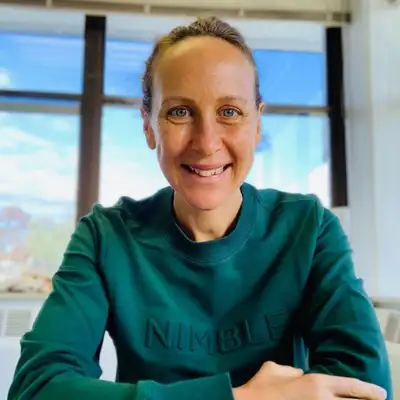
Iron, Infants and the First 1,000 Days - with Gina Ulrich
00:00
Hey everybody, it's Mikki here. You're listening to Mikkipedia and this week on the podcast I speak to Gina Urlich, clinical nutritionist and founder of Odie Nutrition. And today we dive into why iron deficiency is such an important issue in babies and young children and why iron needs increase so dramatically from around the six months of age. We talk about
00:27
why iron matters so much for brain development, behaviour, immunity and growth, and some of the signs that might warrant further investigation. And we get practical around feeding, Gina explains heme versus non-heme iron, the best iron-rich foods for babies and toddlers, how to improve absorption, and why meeting iron requirements can be surprisingly difficult when you are dealing with small appetites and picky eaters. We also discuss
00:56
the baby and toddler food environment, what parents should know about common packaging claims, and the gap that Gina saw in the market that ultimately led to the creation of OD nutrition. So this is really an informative and practical episode for parents, grandparents, carers, practitioners who want a better understanding of how to support iron status during these critical early years. So Gina Erlich is a clinical nutritionist, a former nurse,
01:26
mother of four, and the founder of OD Nutrition. She holds a bachelor of health science and nutritional medicine and has spent much of her career working in women's health and infant nutrition. Her interest in early childhood nutrition grew both through her clinical work and her experience as a mum. After creating resources to help parents navigate introducing solids, Gina saw just how much confusion there was around feeding babies well, particularly when it came to balancing good nutrition with the realities of a busy
01:56
family life, and that ultimately led her to create ODI Nutrition, which is a New Zealand based baby and children's food company focused on convenient, nutrient dense whole food options for growing children. And I have links as to where you can connect with Gina on Instagram, and also where you can learn more about ODI Nutrition, which is at ododinutrition.com.
02:24
I really enjoyed this conversation with Gina. I just love chatting to another nutritionist. I love hearing how people work and I'm always so inspired by people who go above and beyond to help fill a gap that's obviously so desperately needed. And of course we can make great recommendations to parents out there all of the time, but if they don't have the resources to support those recommendations,
02:51
It's not that it's falling on deaf ears, but essentially it's just almost this impossible problem that can't be solved. So Gina is amazing to go out there and sort of fill that gap that was so obviously needed. Right guys, before we crack on into the interview, I would like to remind you that the best way to support this podcast is to hit the subscribe button on your favorite podcast listening platform. That increases the visibility of Micopedia.
03:19
In the monks are literally thousands of other podcasts out there. So more people get to hear from the people that I have on the show, like Gina Erlick. And whilst you're at it, share this or any episode with someone else that you feel would benefit from the information that we are providing because that is just how more people get to hear about us. All right guys, enjoy this conversation.
03:45
Gina, thank you so much for joining me this morning on what is quite a lovely day actually. I think we're quite lucky to get some winter sun streaming through our respective windows. Yeah, it's beautiful. I'm just soaking it up after a couple of days of rain. It's so nice to have sun. What a difference actually it makes, doesn't it too, just your overall mood and wellbeing. Like I get very, I don't mean to, but I think I get like that sort of touch of seasonal effect disorder. And I'm from Dunedin originally.
04:14
So it was very, like I definitely noted it when I was like, you know, through my teenage and young adult years down there, but it still makes a difference to my mood now. Totally. I was just saying to someone yesterday actually about like living in the UK and how like the vitamin D levels are so much lower and, but just the like shortness of the days and the overcast and like just how it affects mental health. I mean, we're so lucky to have days like this in the middle of winter. And it's like,
04:42
crystal clear blue skies and just yeah. Yeah. In fact, we, my husband's from the UK and over Christmas we were over there just, just after Christmas I think it was. And we were very lucky actually because it was the, for whatever reason, they just had this string of lovely winter days. It was, it was snowy, which was unusual for the area that, that we were in. And
05:09
Even though the days were short, you just got that blast. And in fact, I was surprised at how good it was compared to every other time I've been there at that time of year. so yeah, to your Yeah, nice. Yeah, totally. Hey, Tina. So today we are talking about something which obviously you're very passionate about and I'm super interested in as well, which is iron. you're particularly with a focus on infants and toddlers and
05:37
and why it's important and all of the practical elements around that. But actually, first I'm rather interested in you and sort of how you got, and just, guess, your background and how you got interested in this whole sort of area. So are you okay just to give us a little bit of a brief? Yeah, absolutely. Yeah, yeah. I was actually living in Perth at the time, straight from school into nursing and then moved over to Brisbane where my family were.
06:06
and spent 10 years working in the Mater Mother's Hospital in South Brisbane, kind of like bouncing between maternity and a gynae oncology ward and working in pathology as well. And so I was seeing, particularly in the gynae oncology ward, lots of presentations of people who had end-stage disease and would start discussing like the signs and symptoms that they would see leading up to that state and
06:32
like 10 years prior, they were getting signs and symptoms that they thought were normal as a woman. And I just thought, oh man, there's such a space where we could really educate women on what's happening within our own bodies and kind of from a preventative medicine kind of space. And so that really inspired me to go and study a Bachelor of Health Science in nutritional medicine in Australia. And really for my own personal interest as well, I was just so interested in preventative medicine and
07:00
nutritional medicine, how we can use food as medicine for prevention, but then also in disease states as well. And so after I finished that Bachelor of Health Science, I went into my own private practice and just worked one-on-one with women and families for about 10 years. And I think during that time, I just saw a lot of challenges, one from like preconception through pregnancy and postpartum, but then it naturally evolved into
07:28
family nutrition and feeding children. And I think my own journey, I've got four children myself. And so that's really shaped my passion for kind of like that first 1000 days in a child's life where we can have such a huge impact for them right then and there, but then also what they take into their whole entire lifespan. It's just such a window of opportunity, but also risk as well. yeah. Yeah. No, I love that. And, and, you know, I can think of about
07:58
10 questions I want to ask you on the back of that. And this is slightly deviating from the toddler angle, but I'm curious as to how you feel about this. Because I have quite strong feelings that people just have no idea how they should feel. And we normalize a lot of how we feel on the day-to-day basis based on our own experience, own, just what we have. So for example, we were just talking about the seasonal effect disorder and feeling sort of gloom and doom.
08:28
I know after talking to countless people about this is that it's not until they make change that they realize that how they were feeling isn't normal. I can totally, I totally appreciate that sort of sense that you had working with people who had just sort of normalized a lot of the symptoms that they wouldn't have otherwise had, had they been healthier, I guess. Yeah, I think so many.
08:56
just don't know how good we are supposed to feel. And that's such an inspiration for me to think, gosh, if we could get people feeling their best and nourishing themselves and then the outlook on life, their quality of life, their interactions with people around them is just hugely changed by feeling well and feeling good, but just having an understanding about basic things that are happening within our body as a woman on a monthly basis, like just the cycle.
09:25
like the amount of women that were on preconception journeys and didn't know what ovulation was. And so I just think like, imagine learning this stuff as a teenager and really empowering young women to know exactly what's happening in their body, to eat around their cycle, to exercise around their cycle, to give ourselves grace when we aren't feeling well, or like we've got a period or just learning to be able to rest and things like that. yeah, I just think if we know more about what's happening within our own bodies, it just empowers us to make good choices as well.
09:55
Yeah, 100%. I was chatting to a client yesterday. We were just chatting through her. She'd just come off the marina and had been six months post and she still hadn't resumed her cycle. She's an athlete as well, so we're just talking through some of the challenges there. And she relayed to me that one of her doctor's suggestions was to just go back on the pill, go on the pill to regulate your cycle and that'll give you that monthly bleed. And so I feel like this...
10:24
misunderstanding or lack of understanding isn't just in the general population as to how things work. It's throughout industries or pockets of where people should actually know what is normal and what isn't and what the real function of something like an oral contraceptive pill is, not the off-label use of it.
10:48
Yeah, absolutely. We've just got now a whole generation of women that have shut their menstrual cycle down for decades and now wanting to get pregnant or wondering why they've got low bone density or they've got no progesterone and things like that because it's just been shut down. I just think that in itself is a whole topic that is just so fascinating to go into and just the overprescription of the pill and what it's doing to women's bodies and things as well. Yeah, for sure. And of course,
11:17
Today we are sort of focusing more on iron and it's great actually because I had Dr. Libby Weaver on the podcast a few months ago talking about iron deficiency. Obviously this is an area that she's, you know Libby, she's like hugely passionate about. She's amazing, yeah. Isn't she? But our conversation didn't get into sort of the younger generation and our children. And so first, Gina, like,
11:45
Why is iron deficiency such a, I guess, a major concern in babies and young children? I guess there's a few layers to this. So one, if we go all the way back from like preconception going into pregnancy, a woman's iron stores throughout her pregnancy is going to impact that baby as well. So throughout pregnancy, a female or mom is
12:09
is called fetal endowment where she's donating her own iron stores to the baby, to the placenta, and that's stored in the baby's iron. And so those iron stores take baby to that kind of first six months of life before we start introducing complementary foods. But if mom's iron stores are low, then it's going to impact baby as well. So we know that I think around 40 % of women go into pregnancy with low iron stores and then the like
12:37
impact of iron throughout a pregnancy when we think of the blood volume increasing so much and how much baby's pulling from mom as well. So iron deficiency, pregnant women going to then not being able to have enough iron to donate to baby or then that's affecting the mother. And then we've got things like preterm birth. So if a baby's not getting that full third trimester where those iron is being stored into the liver, then that's going to impact the amount of iron stored for a baby.
13:07
And then things like delayed cord clamping. So if we know if we can delay a cord clamp, then that's going to transfer a heck of a lot of the iron to a baby as well, which is then going to take them for that iron storage until they get to introducing complementary foods. So with that, then we've got babies. They start introducing complementary foods around six months, and they need more iron than an adult male. We think about their tiny little portion size and getting
13:35
11 milligrams of iron into a baby is quite difficult. So even just having the knowledge around how to get that in is a challenge. And I just don't feel like there's enough education around getting iron into babies. And the importance of getting iron into babies is because they are going through huge development, like all of their brain development that's happening in that first 1,000 days is heavily reliant on iron. So all their myelin sheaths, their neural connections that are happening is happening within the brain.
14:04
and we can't go back and rebuild that brain later in life. That's like a window of opportunity where we can really have an impact. And if we're not getting the iron in those early stages, then it can have a detrimental effect for later on in life because we can go back and fix a blood test, but we can't go back and redevelop a brain. Yeah, that's such a good point. And to your point about that, know, 40 % of women go into a pregnancy with low iron.
14:32
Sometimes I feel like low iron is normalized almost as much as low vitamin D, in part because the iron supplements that people receive from the doctor are so intolerable for most people that they just don't even take them. And they don't realize it's not, they're like, oh, I can't take them. They're just not that great. So I'll just put up with this fatigue, not actually thinking about all of the roles that iron plays.
15:01
in their body and then subsequently how that's going to affect their infant. Because the other thing I wonder is, when I think about pregnancy and how we learned about it in my nutrition degree was that the mother, to your point, donates all of their nutrients, stores and stuff to the fetus. I wonder whether the emphasis there is lacking in our education too about just the ramifications of not
15:30
being replete yourself. Or maybe I was just a poor student and that was actually, you know, well detailed and I just like skipped that lecture or something. I don't know, like where is this sort of, where should this education sort of come in? Yeah, I would love to see people understand, like, well think about how much goes into planning a wedding, but then you go and plan a baby and it's like, let's just go. And there's really nothing, like there's no guidance from anybody about preparing your body to grow a human.
16:00
But it's a huge impact on the body as a female. Mother nature prioritizes the baby. And so that's when we often see postpartum depletion in mothers because babies just taking everything. So yeah, I would love to see more education and emphasis around building mothers up before conception. And then sometimes
16:23
surprises happen too, and we just don't plan babies. And so we're just in the moment, but just getting nutrients into mothers in their most absorbable forms as well from food first and foremost, because as you mentioned, an iron supplement and so many supplements on the market are so poorly absorbed as well. And yeah, then there's no, you don't want to take it if it's making you feel constipated or if you get an upset stomach from it as well. Yeah.
16:49
And so Gina, in your experience, like, cause there are a number of different supplements available for women who are thinking about conceiving or have already conceived. And I can't actually remember what it's called. There's one really popular supplement, almost everyone I talked to for pregnancy nutrition, they're like, oh, my doctor just told me to go on, maybe it's Elevate. That's right. Do we have thoughts on Elevate?
17:19
I don't like all of it. It's really, really poor nutrients and the worst form for the body to be able to digest and absorb and really low nutrients as well. And then there's so many excipients in there. like magnesium stearate and then all these fillers and things that the body just doesn't need as well. if I was looking at a supplement, depending on the individual as well, there's so many nuances with taking supplements and it is such an individual prescription. can't just say there's a blanket.
17:49
thing for everybody. Some people may just need to take a phylinic acid or something like that and some iodine, but then some people need to build up their iron stores and get other nutrients in. So it is quite individual. Yeah. No, I completely appreciate that. Now you said expand. What did you just say? Explain to the listener what you mean by that. You use magnesium stearate as an example.
18:14
Oh, and excipients. So these are things that are in supplements that help bind or stabilize, and they can cause lots of gut inflammation. you just think this... My thoughts around these kind of additives and supplements and even additives in food is that it's this accumulative effect. So if you're taking that every day for nine months or a year, then what's the cumulative effect on the gut when we're taking all these additives that are in a supplement that's supposed to make us feel good?
18:44
it kind of takes away from the whole purpose of taking the supplement in itself. Yeah. Okay. And so I don't know if you know anything about this, because I'm pretty ignorant really as to why doctors continually go to Elevate if it is such a rubbish supplement. Is it a lack of knowledge there part? Is it that Elevate has like, I don't think this goes on in New Zealand, but maybe I'm just naive, has bought out every sort of GP clinic with, you know,
19:12
whatever perks that they get from recommending it. Do you know in your experience and background why Elevent is the one supplement? Or is it just they don't know what else is out there? Maybe a bit of all of that. I don't know if there's a lot of that in New Zealand in terms of a vested interest in recommending a supplement, but I do think there is probably a lack of knowledge. We know our GPs aren't trained in nutrition. That's not their job. So there's probably a lack of knowledge there.
19:41
maybe some good marketing from Elevate. They probably dominated the space for a little while. We do have a few new ones on the market, but yeah, it probably is just bit of lack of knowledge and some Elevate marketing. Yeah. Well, I'm pleased that doctors listening to this or DPs listening to this will, if they weren't aware of that, at least now they will be to be potentially able to find a better alternative. Gina, what about
20:10
vegetarian women. And I think this is a thing I think about a lot, actually. I think just because it's so much more prevalent now for young women to be vegetarian compared to even when we were young women ourselves. And I always think about the, I mean, yes, some people are super onto it and they have really great supplements and their blood markers are great and actually they're well primed to grow another human, but that is probably the exception rather than the rule.
20:40
Do you have any particular thoughts on that in terms of conceiving but also just like growing a human? Yeah, so just that full respect to any religious or cultural reasons or even a choice if you're a vegetarian or a vegan, it does take a lot of work to get a lot of nutrients into a vegan or a vegetarian. And so even if we're looking at iron, for example, if you were on a
21:09
completely plant-based diet, would need to times the recommended daily intake of iron by 1.8. So you're almost doubling the amount of iron that you would need to get in. And that's a lot of iron to get in through plants. And then that's just because it's not as bioavailable. So if we're looking at heme iron that comes from our animal proteins, it's easily absorbed by the body. It's got those natural cofactors in there like your copper and vitamin A.
21:33
zinc that all support iron metabolism. We go to a plant-based diet. We don't have those cofactors and the ions in a non-heme form. So it is much harder for the body to digest. Always recommend pairing non-heme iron, so plant-based iron with vitamin C to support the absorption. But yeah, you do have to get a heck of a lot of iron in if you are on a plant-based diet and even going through to babies on plant-based diets.
21:59
Times in the recommended daily intake, so 11 milligrams of iron, that's like 19.8 milligrams, like almost 20 milligrams of iron into a six month old baby if it's a plant-based diet. And I feel that's quite dangerous and very hard to achieve if you are on a plant-based. So definitely under the guidance of a practitioner, supplements when indicated and also things like your B12 on a vegan or a vegetarian diet as well is something to be aware of.
22:28
Yeah, absolutely. Gina, do we know the prevalence rates of infants and toddlers who are iron deficient, New Zealand and otherwise? There's actually a really great study that just came out of Perth in Australia, and it's just last month, they did a really big study on iron in children. And scary enough, about 50 % of children are iron deficient.
22:54
And that's quite a lot. So when we're looking at that amount in the population and then we look at the impact that iron has on their growing bodies and their immune system and their brain development, their neurotransmitter synthesis, all these things that I think, man, if we could get iron into children, we could have a huge impact on their health and the, yeah, just huge amount of iron deficiency. Yeah. And now that is...
23:21
That's a remarkably high, that was way higher than I anticipated that number to be. Gina, did the researchers sort of surmise what the cause of it was? Is it anything outside of what we've just been talking about or actually all of these factors that you've chatted about are the reasons why these babies are iron deficient? Yeah, there's a few things. first is the portion size. We look at portion sizes of children and getting iron into little portions.
23:50
takes a bit of work. Then we've got other nutrients. So calcium competes for absorption. Kids really love dairy products and milk. And so sometimes when I'm working in clinic one-on-one with a child that's really iron deficient, it could be just as easy as decreasing the amount of milk drinks that they're having in a day or keeping them separate from the main meal so that if they are eating iron, they can actually absorb it.
24:18
Calcium and the amount of dairy that children are eating definitely has an impact on milk, sorry, on their iron status. And then picky eating is also a real challenge. I know, like, I've seen my own children go through stages of picky eating and it can be so tough when you're doing everything you can. as a mom, I have full empathy for other moms with picky children when you're trying to get nutrients in and they just don't eat it. So there is a lot of that as well and getting really creative with getting.
24:47
iron or getting good nutrients into picky eating. And I think they go into this like beige stage where they just want beige food. So it's how we can kind of disguise nutrients into that beige food while their pellets developing, but then also keeping these whole foods in exposure so that it's not like they've turned their nose up at it once and then we never offer it again. It's just keeping it on repetition and an exposure in their diet. Yeah. Wow.
25:12
Sorry, that was a lot. No, that is a lot. And I'm interested to know, like with this new study, is this different from what they've found previously? Are the rates climbing in terms of deficiency or is this actually pretty typical of what they find when they run studies in babies and toddlers? I think there hasn't been. Like I've just done a little bit of research looking back at previous studies and I think like 10 years ago there was other studies and they were picking up but
25:38
It's quite hard to pick up because children aren't often getting blood tests as well. And we really don't want to do an invasive test like that on a child. So it's probably being well missed. And I'd even go to say that that 50 % mark could be even higher because like we just think of the amount of blood tests we're doing on children and what their daily diets are. Like if I were to look at the average Kiwi child's diet, beautiful created lunch boxes that we see on Instagram, they're like, look.
26:04
sensational. I would love them, but they just don't have iron or even like the average breakfast. It just doesn't have any iron. So it's probably just educating parents on how to get iron into their everyday foods. And you just touched on a number of things that parents would be listening to this and be going, well, how do I fix that picky eating, Gina? You know, how do I hide the iron? How do I separate the dairy, which is the major source of calories for my child and
26:32
If they're not having dairy, what are they gonna eat? What kind of tips, do you have any tips to help these people? Yeah, I had a very fussy boy. He's just turned and I feel like just in the last couple of months, I've seen him sit down at the table and eat just about everything that I've put on the table. I've like, hallelujah, because it's been a good few years of me being so frustrated with this child just not eating.
26:58
I'm definitely not sitting up here on my pedestal saying that children have to eat all these things because I've got the same battles. So yeah, I have huge amount of empathy for anyone going through this picky eating stage because it's really tough. So things that I found that have worked really well is that eating as a family first and foremost is a huge value of mine and something that I feel like we're kind of missing in this generation. There's a lot of children eating in front of screens and
27:26
disconnected from the food that they're eating as well. And I just think when you sit at a table, they are watching you and they are very keen observers of people around them and our role models and what the role models around them and copying. So I think if we're sitting at the table and we're demonstrating what we're eating, there's one family meal, there's not separate meals for everybody in the family.
27:49
that goes a long way, even if they sit at the table and they say, oh, this is disgusting. I don't want to eat this. I've had my little boy gagging at the table over a piece of broccoli. And I think that's so dramatic, but that was exactly how he was feeling. So persisting with sitting at the table as a family and being a really good role model with eating the same foods. And then if they are really
28:16
resistant to trying new things and they've got their set of safe foods. I always try and combine a safe food with some new foods and putting things on a platter on the table goes a long way as well. So they have some autonomy over what they're putting on their plate and they're involved in the decision making. And I love the division of responsibility. I can't remember the lady that developed this. I have to think of her name, but.
28:41
The division of responsibility is where, parents or caregivers, we decide what they eat and where they eat. And then the children have the autonomy of choosing what's going on their plate and how much. And I think that really helps with them being more open to trying new foods and just having some role in what's going on their plate. So platamels are great and self-serving things on the table are really great. I often...
29:06
boost things. So I know that if I'm cooking rice, I'll add some bone broth to the rice. And so I know I'm getting a protein source in there, or I'll add our meal booster and things like that into some safe foods that I know that I can disguise nutrients in there while their pellets developing. But there's always food on the table that is a whole food form. So we're not disguising everything and they never see a piece of broccoli again. Yeah, those are some great tips. I was thinking when you were mentioning
29:36
talking about the whole premise of the family dinner and just having one meal. And I often joke with my friends like, my goodness, when we grew up, I come from a household of seven, there was just one bathroom. But that was just the way it is. We didn't complain. didn't think it was like, it was just, it was so normal that no house had two, a few houses had two bathrooms. And then there was only ever one dinner. like, what has happened? Like, is it just that,
30:06
because people don't really love the argument that kind of back in my day type chatter, but it's sort of true. Like our parents had no choice. They just fed what they fed us. And if we didn't eat what was on our plate, well, I mean, I don't know if this is trauma or not, but I didn't feel traumatized by it. So I suppose it's individual, but we just had to sit there and wait until we were done. And I think I possibly learned quite quickly just to eat what was on my plate. And in fact, I enjoyed
30:36
many of the foods that my brothers and sisters didn't. And I remember I'm a twin and my sister to this day cannot eat peas because my parents made her sit at the table until she was either done with finished dinner, or actually I think that in fact by 10 o'clock everyone was ready to go to bed. So possibly she just sort of left. But you know, I guess the dinner time can be such a battlefield in some families.
31:04
Yeah, and I feel like we've just really lost sitting at a table together and how like just taking the emphasis off the food itself and just talking about your day, connecting, turning the screens off. It's like for me, it's a universal language of connection food. And it's so beautiful that it can bring people together and you can like it's there when we celebrate and just to have that kind of
31:27
Like sometimes we light a candle at the table and the kids think, oh, this is a novelty and turn the lights off. And I think, wow, they're not really focusing on exactly what's on their plate. But it was just fun that we sat at the table and lit a candle. yeah, I think if we can get the screens away from meal times, it makes a big difference. Yeah, that's such a good point. And I loved how you talked about the platter dinner. So I did my master's in childhood obesity and part of the sort of research showed that children
31:57
up till about the age of five or six, they could determine how much, because obviously I was thinking about the quantity of food in my research, probably looked at the quality, but more it was quantity, et cetera. And children were very good at figuring out how much food they actually needed. And so instead of that sort of finished what's on your plate, which I literally just told you that's what we had to do, and you probably had a similar upbringing, it was more that if children
32:26
Children would eat to feel satisfied and then they would leave the table. Whereas the platter idea is great because there's not some sort of war to finish what's on their plate. They've got a choice and there'll be things on there that maybe you would want them to eat. There'd be things that they would definitely want to eat. And so it's having that choice for them. I don't know if many households would of automatically think down that line. That's a really great tip. And we forget that.
32:54
babies are actually born really intuitive. And so they're really good at telling us when they've had enough or when they're still hungry. And sometimes like this, like you're a plane, have another mouthful or like scooping it up and trying to put it back in or saying to kids, eat your finished what's on your plate. But it does take away from their own intuitive way of eating of knowing that actually my body's had enough and I'm And
33:17
Like even with a six month old baby when they're starting solids, if they're like rubbing their face or they're irritated, they're turning their head to the side, they're telling us that they've had enough. And so I think really leaning into their own natural intuitive response to know how much they want to eat and if they're still looking for food as well. Yeah, yeah, that's great. And I also love the idea of the exposure to whole food sort of always. So even if you're going to have other things there, there's safe food, could be other things there.
33:46
that so they understand and know what that is. And also, I don't know where, because I haven't birthed children myself, but I don't know where I heard this as well, but I thought it was a great tip that having it in different forms, like if you're having broccoli, it's raw, it's steamed, it's air-fried, it's got some olive oil and salt and pepper. And I sort of think anything with olive oil, salt and peppers tastes really good actually. Surely kids are gonna like that. Yeah, yeah, yeah, I love that.
34:16
Yeah, different ways of trying it. Gina, how would someone know then that their kid is in need of something like iron? How do you sort of determine iron deficiency in an infant or a toddler? Because obviously it's easier as an adult to sort of understand, you I'm not feeling that great. And you chat with your friends and you're like, oh, it could be this. And you get a test. How do parents determine that?
34:43
Yeah, so sometimes we see that children's behavior can change so that they could be quite irritable. They could have quite low attention. Sometimes I see parents say that their child's been diagnosed with ADHD and then we look at iron and correct iron and then we just see huge behavioral change. So that kind of attention span and irritability is a good telltale sign. Of course, it can be other things as well.
35:12
Correcting iron first and seeing if that helps is really great. Restlessness and kind of restless legs before bed is also another sign. And that kind of cognitive development. So if there was any cognitive development struggles, then I'd be looking at iron too. Kind of physical things would be if they were looking quite pale or transparent.
35:37
you can look at like the inside of the eye, the eyelid, and if that looks really pale or even the nail bed, if that looks really pale, that could be a sign that there's low iron. And being a bit of a fussy eater is also a sign of low iron. So if they were really not wanting to eat iron rich foods, they like sometimes I see children wanting to be like kind of vegetarian based. And to me, that's telling me that they need more iron themselves.
36:06
Or even crunching on ice. So needing to like wanting to crunch on ice or ice blocks. That's also a sign of low iron that that last one is interesting because Like if a woman is low in iron during pregnancy that haven't you've been heard that they sort of ice or even dirt or something is something Yeah, it's called picker. Yeah. Yeah. Yeah. Yeah. Yeah. Oh, wow
36:32
And then there's also like fatigue and things like if obviously if we've got like affected to the point of like iron deficiency, anemia and hemoglobin is affected, then oxygen's not moving around the body. So we see fatigue and that's at like a real end stage of really needing to do something about getting some good iron and rebuilding those iron stores as well.
36:53
And sorry, just one other thing is kind of frequent infections. So the impact that iron has on the immune system is also significant. So iron's really important for our T cell proliferation, our natural killer cells, our cytokines, all these immune activations are hugely reliant on iron too. So if children are frequently sick or they're just not recovering from the common cold or an illness.
37:15
then I'd be looking at their iron. like, think like even right now we're in winter and you see all these things about vitamin C and zinc. And I'm like, but what about iron? Like iron, we've got 50 % of our children deficient in it it has such an impact on the immune system. Like let's get iron in for their immune system as well. Yeah. And you know, so, I mean, obviously my, well, I say obvious, obvious to me, but I,
37:40
I want to chat about the best sources of iron actually, because I think this is where the sticking point is for a lot of people. And obviously Dr. Libby and I chatted about this and I'd love to hear your thoughts on it as well. So if parents listening out there are like, okay, so great, my kid doesn't love meat, which is a major source of iron. I'll get you to of share other great sources of iron, but sort of what are my alternatives? Because I guess the next part of that is
38:09
you'll start to see as we do in other areas, just these fortified foods. Like there are cereals that are fortified with iron and there's orange juice fortified with iron, maybe, unless I misread that. Regardless, what are our best sources? Yeah, so when we're looking at six month old babies and kind of like probably like first two years, it's like babies are quite good at eating random things. And then they kind of get to a fussy stage. So when they're quite compliant,
38:37
really try and offer all these different foods. And so this is where we've got an impact to kind of shape their palate as well. It's called a window of opportunity where you can literally shape their palate to like other foods. So offering things that are like salty, savory, spicy. And so then quite odd things like mussels or your organ meats, your slow cooked meats, all those kinds of foods are really high in iron. And then you compare them with
39:04
things like your beans and lentils and figs and apricots and they're all quite iron rich foods. When they start getting or if they do get fussy around that toddler stage and that's where I think that's where the deficiency is kind of starting. And what I've seen in my own clinical experience is that babies are generally quite good at eating random different foods that are rich in iron. It's when they get to that kind of two, three, four, it's when they can become a bit fussy.
39:30
And so those kind of iron rich foods like mussels or meat aren't their favorite foods to get in. So that's when I disguise iron in some of their safe foods. So we've got the ODI meal booster. So that's got an organ blend in it. That's got a mix of spleen and liver. And spleen is such a rich source of heme iron. Just the tiniest amount can hit that recommended daily intake. You can't taste it. It can easily disguised in a mac and cheese or a
39:59
crumbed piece of chicken or pop it into a stew or anything like that. really disguising some foods like that, those kind of organ meats. And then the liver, livers has a small amount of iron in there. I think there's been a little bit of misconception over the years about adding the liver to everything. Liver, gram for gram is a really nutrient dense food. It's got lots of nutrients in there. And I think gram for gram, one of the most nutrient dense foods on the planet. But the amount of iron in there to get anything significant, you would well exceed
40:29
the amount of vitamin A. And so there is a balance between actually getting iron from liver, you're actually quite limited with then overdosing on vitamin A. we know vitamin A also supports iron absorption and also copper. So with the Organblends, you've got all of those foods packaged into one. And I love that from Whole Foods because I just feel like Mother Nature gets it right.
40:50
We don't see iron plant or vitamin C tree. Everything's packaged in nature with all the supporting synergistic nutrients that help absorption in the body. Getting nutrients through whole foods, so disguising organ blends. Then if you can, slow cook meats and things like that. I've even made a bolognese where I would add the organ blend in there.
41:19
just kind of thinking of like how we can get it into their favorite foods. Yeah, no, I love that. And your comment about liver is so true. And I was under the impression that liver had the most amount of iron as well for a number of years. I think probably because as I started evolving my nutrition from university learning out into sort of other perspectives like
41:46
listening to a lot of paleo experts, example, liver was really the champion in a lot of areas, but Spleen. Now, you mentioned Odie, and I would, of course, love to chat about that. Outside of Odie Nutrition, which is your brand, and this isn't, in fact, I wasn't even sure we would get to these questions, so I'm super pleased that we're able to chat about it. Where does one find Spleen? mean, where do we get these things?
42:14
Yeah, it's not that easy to come by. We've gone above and beyond trying to find an organic spleen. So it isn't as easy to come by. You do see things like the chicken livers. We have both stocked chicken livers in our supermarket. And I know lot of people add those to things and make patties and things like that. But spleen is much harder to come by. It's not a well-recognized food, which is a little bit more difficult to find out there in the wild. Yeah, for sure. And I think I've seen it in
42:43
nutraceutical supplements, like the organ meat supplements, but I think that's about as far as it's gone. My question is something like, what prompted you to start ODI Nutrition? But I can probably answer that myself, given our conversation. Did you just felt that there was a need to get readily accessible, nutrient-rich products on the shelves so it's much easier for people to get
43:13
the types of foods that we're talking about? Yeah, exactly that. After the birth of my fourth baby, Billy, I went to my Plunket nurse and I walked away with an A4 piece of paper that was bit of advertising material for a baby food pouch. And I was like, wow, this is the education that parents are getting. And I thought we could do so much more than this. And so I ended up writing a little ebook and put it on my website. And it was called Tiny Human, What Do I Feed You? And I just thought,
43:41
it may be a couple of people would be interested in it, but it just took off. And I was like, oh, wow, people are really interested outside of mainstream on how to get nutrients into babies. But at the same time, they were also messaging me saying, I'm also going back to work. I'm like, this is the end of my postpartum leave and I am going back to work at the same time as my baby's starting solids. Is there a bone broth that you can recommend? Or how do I get all these nutrients into a baby when I'm time poor? And so I went
44:09
and started looking into commercial baby food. And it absolutely blew my mind that we have so many products on the market that have zero nutrients in them. They just pureed fruits in like a jam consistency. And then they're marketed with a health halo saying organic and parents thinking that they're really healthy choices for their baby, but it's just a heap of sugar.
44:33
The top selling baby food pouch in New Zealand has four teaspoons of sugar in it and it's organic and it's got a real health halo around it. looks like it would be a really healthy food for a baby. And I just think how hard it is for a parent to make a decision in the supermarket when there's so much noise. But there was just, I couldn't see a single product that had nutrients in it.
44:57
I naively went into it thinking how hard would it be to make a healthy baby food? And now I know it's a lot of work. I'm glad that I didn't know because I may not have done it. But yeah, I'm really proud that we are the first baby food in the supermarket and online that has these micronutrients that are essential for babies' development. It comes from the top. There's just no regulations in place. And so they're just not there.
45:26
And to your point about, you know, parents are busy and I think this is a lot of the pushback that you must get or had received prior to creating OD nutrition. But I hear a lot as well. it's genuine, it's legitimate sort of concerns. Like, how am going to have the time to blend all the foods that I know my baby needs and do this stuff from scratch?
45:56
So where can people find, oh, you said supermarkets, what supermarkets are you in? Full disclosure, not being a parent of toddlers, I would not, I don't venture very often into the baby aisle. Yeah, if you're not going there, there's no need to. We are Nationwide and Woolworths and New World and Pack and Saves as well. And then some smaller, like boutique wholesale kind of health food stores and things like that as well.
46:25
and then also online. Oh, amazing. Yeah. Yeah. Are you also in Australia, Gina? I'm not sure when this will go to air, but in a month we will be officially. So we've just done a bit of a soft launch with Part and Parcel in Australia, but yeah, we're ready to hit the ground running in August. That is exciting. And this will be, this will come out at around that time actually. So that's, yeah, yeah, that is really cool. And so outside of that, obviously you mentioned your website, like
46:54
Can people go to your website for information on just general, like baby related nutrition and infant nutrition, et cetera, Gina? Yeah, a big part of ODI is the products that are there, but then it's the education, which I'm really passionate about. And the whole mission of ODI is to decrease diet related diseases in the next generation. And that's something that I'm really passionate about. And so...
47:21
sure we've got some beautiful products there that are incredibly nutrient dense, but it's the education is where we're going to have the most impact and really arming parents with the knowledge on how to make choices, how to read a label, how to kind of get through the noise of the baby aisle and also supporting homemade meals as well and like getting back to basics of real nourishing whole foods and, and good relationship with food as well. Yeah, I love that, Gina. It's such a
47:51
those like every part of that are definitely elements which they have to go together, right? It can't just be about the food. It's got to be about the environment. It's got to be about the role modeling as you talked about. I do, I see a lot of this in the space when I chat to parents, like it's not that they don't want that, but it's almost like it feels difficult to do, but it's almost like there's a little bit of a...
48:19
what do you call it? Like more and more people are trying to return to that because they feel like it's gotten so far the other way. So, Odin, you I feel like we have this millennial urge at the moment to go back to the 90s, or what I do anyway. Yes, yes. I'm just like, oh, bring back, like no more smartphones. And I'm having a battle with my 11 year old at the moment about not needing a smartphone at 11, but just like, yeah, going back to basics and like, yeah, getting back around the table and homemade meals and-
48:48
Yeah, just kind of going back to before we had everything fortified and like all of these foods that have moved so far away from natural food. It's all like synthetic fortified foods that kind of became the norm. And I even like baby rice cereal that was developed in the 1930s and it's a hundred years later still sitting on the supermarket shelf. It blows my mind that pediatricians still recommend it like a fortified.
49:15
synthetic iron with sunflower oil and some ground rice. And to me, that's a recipe for constipation and inflammation in a little baby's tummy. it's, yeah, we just moved so far away from real food for such a long time. Well, actually, to your point, I remember there was the Life in New Zealand unit down at Otago University. I'm not sure that they called that anymore. That was just when I was studying and they used to do a yearly sort of what it costs
49:44
a family of four at a supermarket, they would do the budget, they would do a medium, and then they'd do an indulgent. They were like, look, you can meet all of your nutrient requirements from food alone on each of these budgets. Then when I did a bit of a dive into the types of foods that they were eating, and of course, whether they meet the recommended amounts, I was surprised to see that they would meet the recommended amounts for iron.
50:12
because there was very little meat in the trolley, of course, because that's the most expensive thing at the supermarket. And then I noted that they had included Milo as one of the major sources of iron. And I have looked for this information. I haven't seen it. And I don't know whether you have, but to what extent can people actually absorb nutrients from fortification? I imagine they have to put a truckload of something in, in order to absorb like
50:42
I don't know, one tenth of what might be there. I don't know if you've looked into the research around that. Yeah, and even just from like a clinical observational standpoint, I would just see babies coming through the clinic and they're constipated and they've got an inflamed tummy. And you just think that's so harsh on a delicate digestive system to be able to digest a fortified iron. when we look at iron metabolism and we know that
51:10
there's so many cofactors involved. Like we've spoken about the copper and the vitamin A and vitamin C and then our B vitamins, then like all of these cofactors that support iron metabolism. When we look at a synthetic iron, it's isolated and it doesn't have any of those cofactors. So it's really just dumping free iron into a delicate little digestive system and then it causes inflammation and constipation and they're not absorbing that iron. So
51:37
Yeah, I know that there's a fine balance between finding something that's affordable for your family, but then also getting those nutrients in a form that the body can actually absorb and utilize as well. Because I think if you were to look at the back of a rice cereal and you would see, it's meeting 50 % of the daily intake, that's great. But if they're only absorbing 1 or 2 % of it, I don't know exactly what percentage that would be absorbed. But then the detrimental effect on the gastrointestinal system and the inflammation that it causes.
52:07
I just think that if we leaned more into whole foods that are found in nature, and it doesn't have to be the most expensive, we can get cheap cuts of meat and slow cook and things like that. It doesn't have to be expensive eating seasonally when we can. The body just knows what to do with nutrients from food as opposed to synthetic isolated nutrients that doesn't get absorbed. Yeah, such a good point, Gina. And you've done such a
52:37
great job of giving really practical tips on how parents can sort of start to navigate this if it's something that they've been thinking about or even haven't thought about, but you know, they may not even be parents yet listening to this, a really good starting place. Can you, share with the audience where they can find out more information? And of course, I will put links in the show notes to how people can find you and of course, OD Nutrition.
53:05
Yeah, I've got my own Instagram page. It's Gina.Ehrlich and then ODI is ODI Nutrition. So we've got both Instagram for that. We've just actually started TikTok. I like it's way out of my age category. But then also our website as well. Well, that's wonderful. And to be fair, TikTok is perfect for that.
53:26
for younger parents out there and soon to be parents and not yet parents. I mean, that just seems like a natural fit. like, oh, so cringe mum, your own TikTok. Oh, they should run it for you. Oh, no way. That would actually go against your smartphone policy, which is very good. Gina, thank you so much for your time this morning. I've really enjoyed chatting to you.
53:49
Oh, thank you. It's such a great conversation and I just love the work that you're doing as well and just bringing these conversations to life as well because yeah, it's great to be able to chat about it with such a great audience that you've got. Awesome. Thanks so much, Dina. Thank you.
54:18
Alrighty, hopefully you enjoyed that and as I said, share it with anyone you know who might be struggling in this area and who's just got a particular interest in infant nutrition. I think they're really going to find it so helpful. Alright guys, that's it from me. Let me know your thoughts. You can connect with me over on Instagram threads and X @mikkiwilliden Facebook @mikkiwillidennutrition or head to my website.
54:44
@mikkiwilliden.com and sign up to my recipe portal. 12 bucks a month, over a thousand recipes, really delicious, super simple and can really help solve the problem you might be having as to figuring out what it is you're going to eat today or tomorrow. Alright guys you have the best week, see you later.